Znaczy Kapitan – Karol Olgierd Borchardt
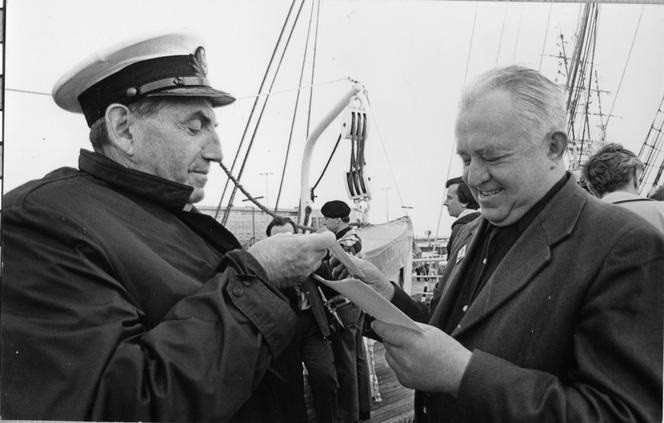
Despite the difficult sailing slang, I recommend the book to everyone. Borchardt tells the stories in such a way that they'll interest not only sailing fanatics. The book stirs up many emotions, from laughter to tears. It's also nicer to listen to in the audiobook version.
Buy me and read me
Poland in the interwar period is rebuilding itself anew. New factories are being built, a merchant and naval fleet is being organised. Enthusiasts of seafaring set up maritime schools, train new personnel, buy old yachts and ships, and organise the first training expeditions. These are financed through maritime trade voyages, where all sorts of goods are carried, from dangerous ones to illegal ones.
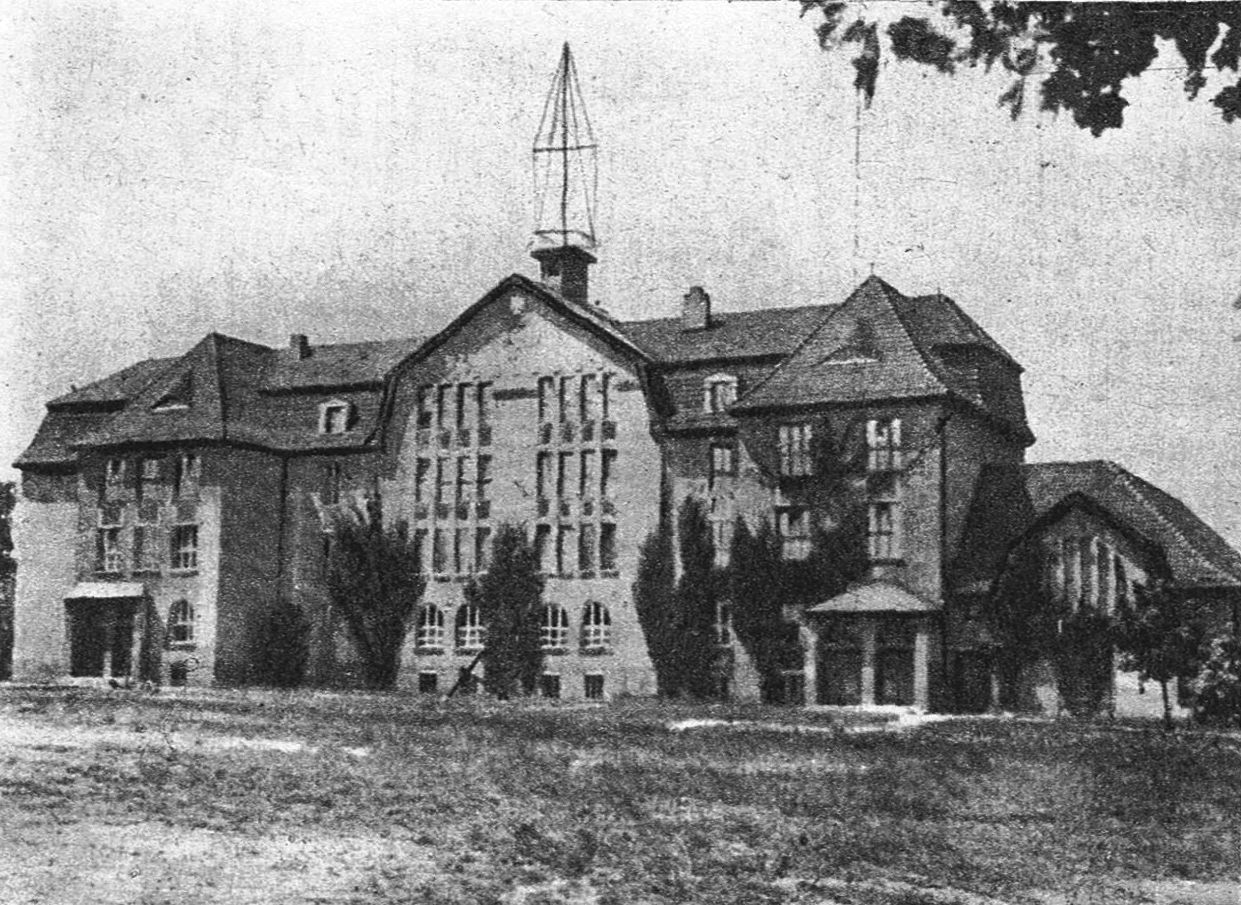
The ethos and craft of sailing is also being built from the ground up. The training staff consists of officers who previously sailed under Russian, German or Danish flags. The cradle of the personnel of the Polish Merchant Navy is trained at the maritime school in Tczew. The graduates of this school sail under foreign flags, mainly on French lines.
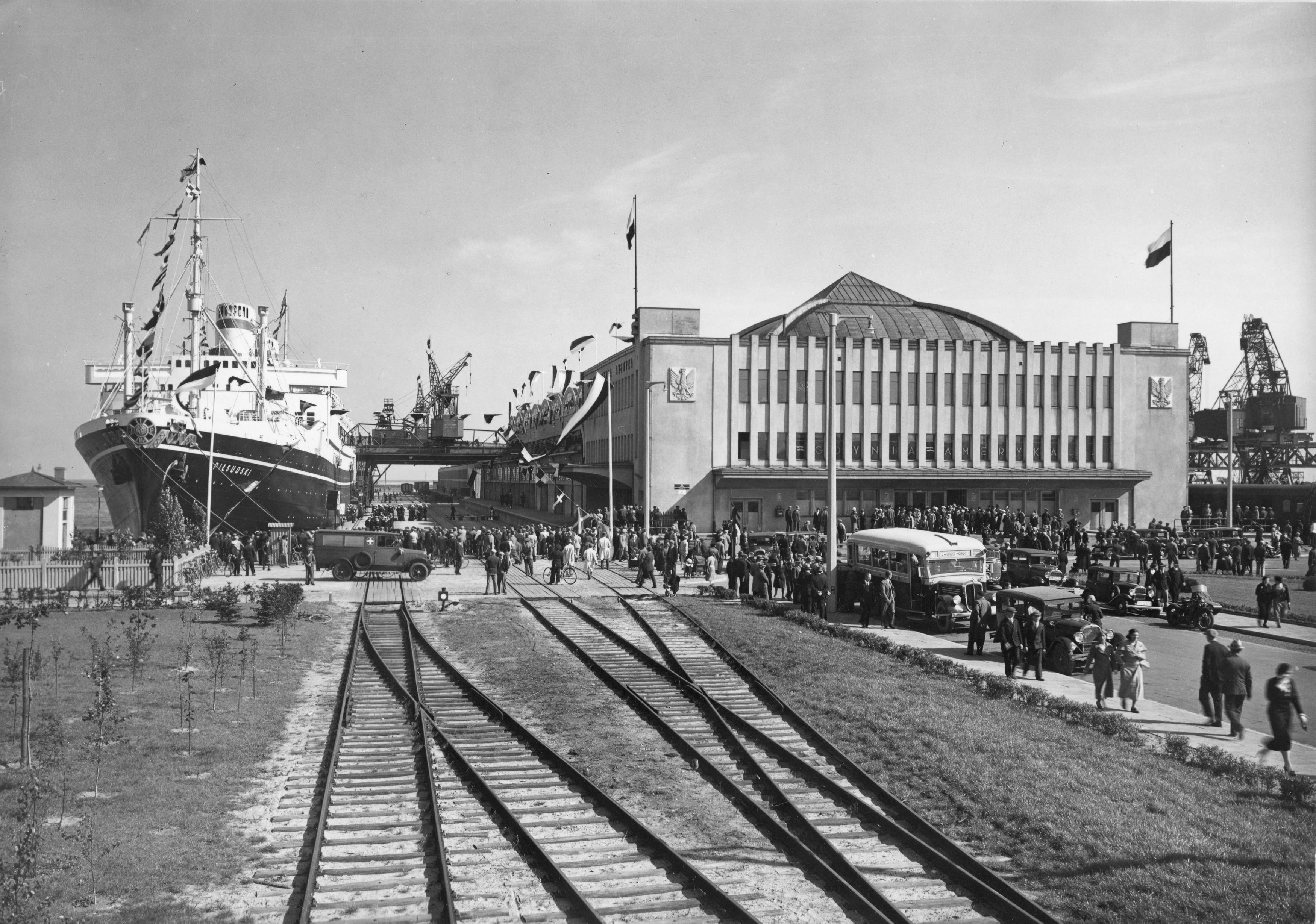
At this time, Poland buys two transatlantic liners: MS Piłsudski and MS Batory from the Italian government. Due to a lack of financial means, our government pays with deliveries of coal to Italy over 5 years.
Karol Olgierd Borchardt was one of the graduates of the school in Tczew. His stories, written down in the book, are a tribute to Captain Mamert Stankiewicz ("Znaczy Kapitan") — commander of the ship MS Piłsudski. The stories tell of difficult sea voyages, understated patriotism, the ethos of honest work and respect for authority. We learn of the beginnings of the war, the wanderings of "Dar Pomorza", torpedo attacks, rescue missions and the farewell to the lieutenant commander and master mariner — "Znaczy Kapitan".
Against the sparkling sky, the black silhouettes of the wind-taut sails stood out. In such moments, no lands existed. The world consisted of water, wind and the stars, towards which we flew…
Karol Olgierd Borchardt tells of the hard work at sea, the funny situations, the failures and successes, in all of which there lies a wonderful, close-knit crew together with their leader — the captain.
About the book
The title character is Captain Mamert Stankiewicz. He owes his nickname "Znaczy Kapitan" ("That Is to Say, Captain") to the fact that he began every utterance with the word "znaczy" ("that is"). To his charges he is a model of every virtue and an immense authority.
View related articles

Why We Sleep - Matthew Walker
How important is a sense of purpose in the life of an entrepreneur, and not only? How do caffeine and alcohol affect the quality of sleep? What happens during the REM phase and what is its significance? How much does sleep help in running your own business and a healthy lifestyle?

How to Steal? A Thief's Manual - Kazimierz Turaliński
Do you run a company, or maybe you have some insurance in case of an accident? After reading this book, your life and your perception of many matters in business will change by 180 degrees. In this book you'll find recipes for how to legally steal, cheat and avoid liability.
Bellingcat. We Are Bellingcat - Eliot Higgins
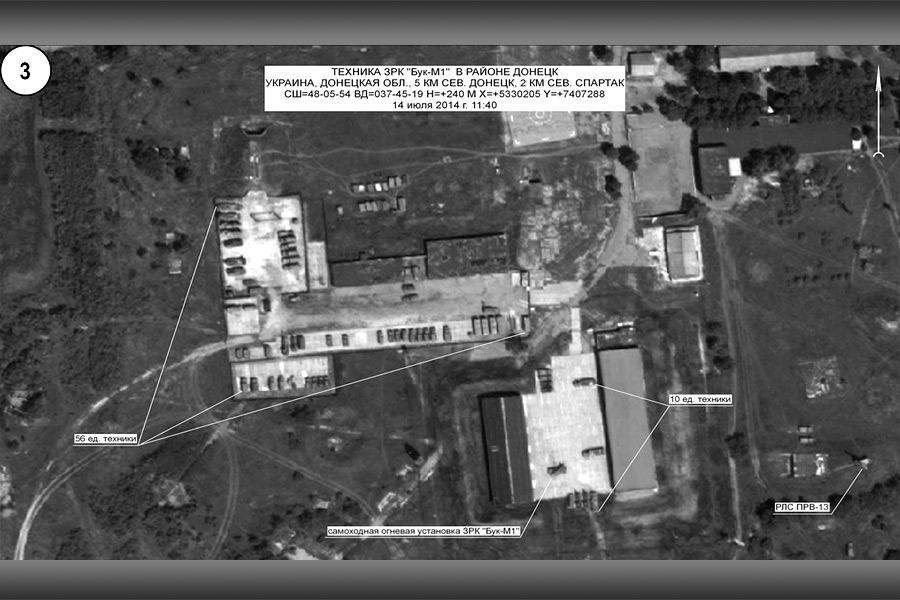
Bellingcat: We Are Bellingcat is an interesting book that tells the story of a man who, using the methods of open-source intelligence (OSINT) and investigative journalism, solves the greatest mysteries of our times. Using a computer, Google search or Twitter, the independent investigative outlet Bellingcat.com publishes the names of the people responsible for shooting down the Malaysian passenger plane over Ukraine.