How can a smartphone help when administering first aid?
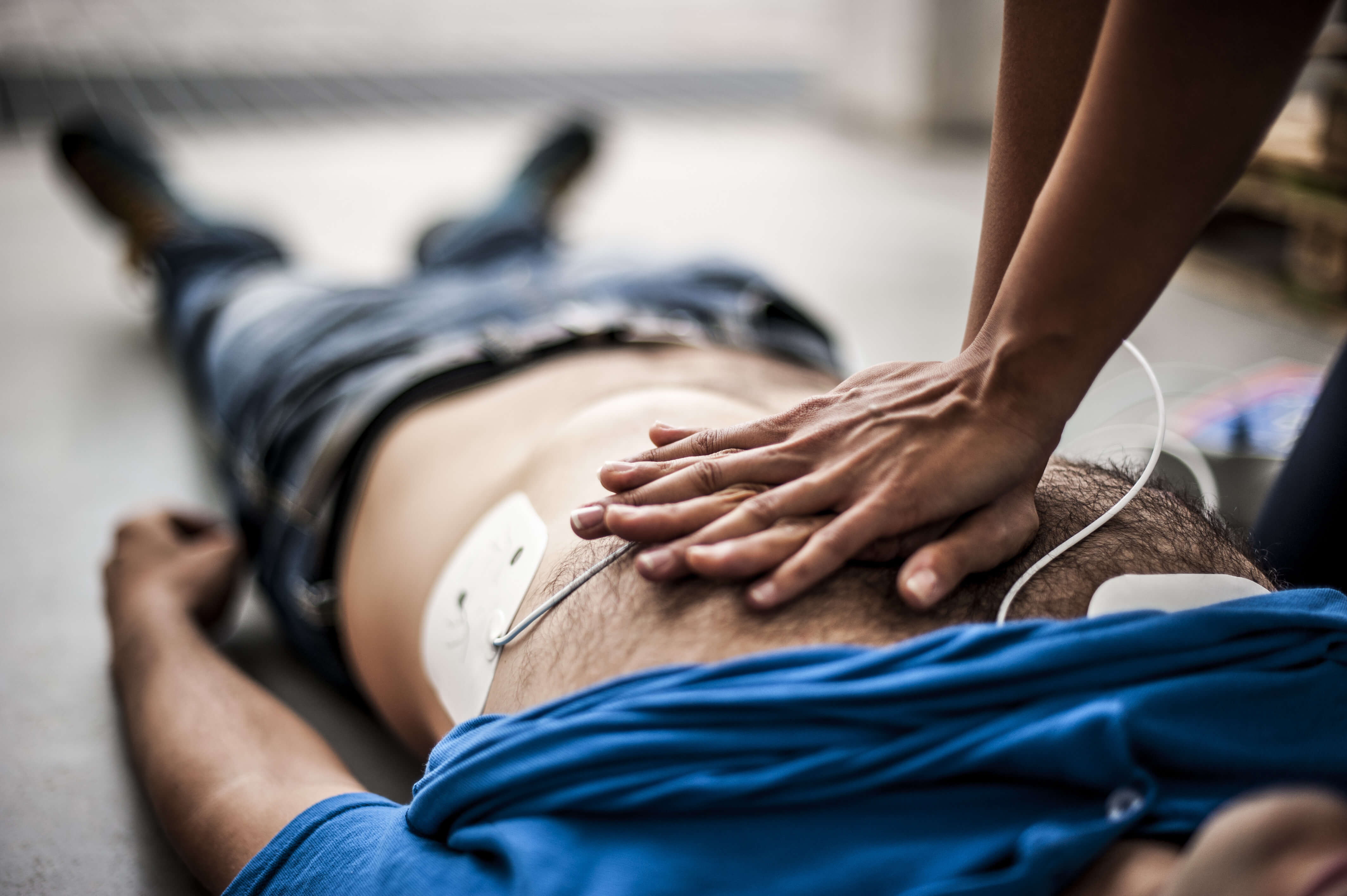
I was inspired to write this guide by a Facebook post I made about a recent first-aid situation. The technology that virtually all of us carry with us proved to be an invaluable aid: the smartphone.
Table of Contents
Fill out the Medical Form
If you own an Apple phone, it comes with a Medical ID. First, make sure it’s accessible on the lock screen. It’s important that the information in it is up-to-date and accurate!
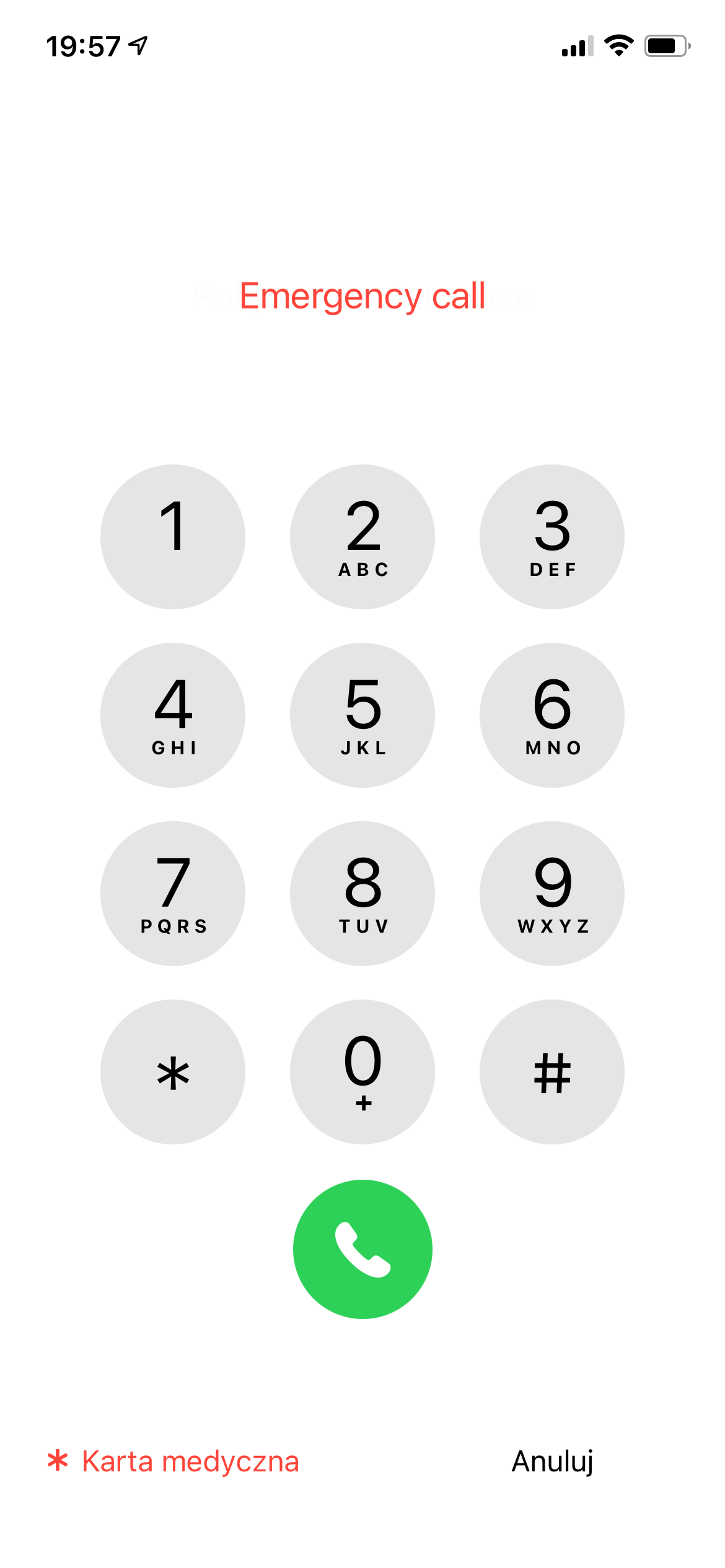
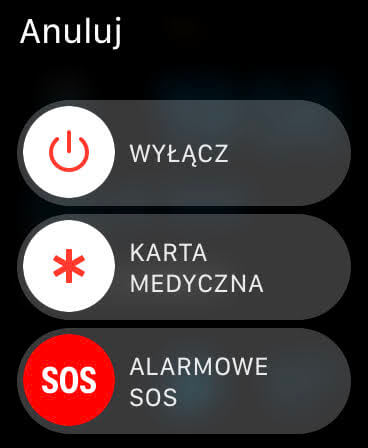
Settings > Health > Medical ID > Show when locked > On
This way, if you lose consciousness, someone will be able to look at your medical card and, for example, contact your family or check what medications you’re taking and what medical conditions you have, and pass this information on to the emergency responders.
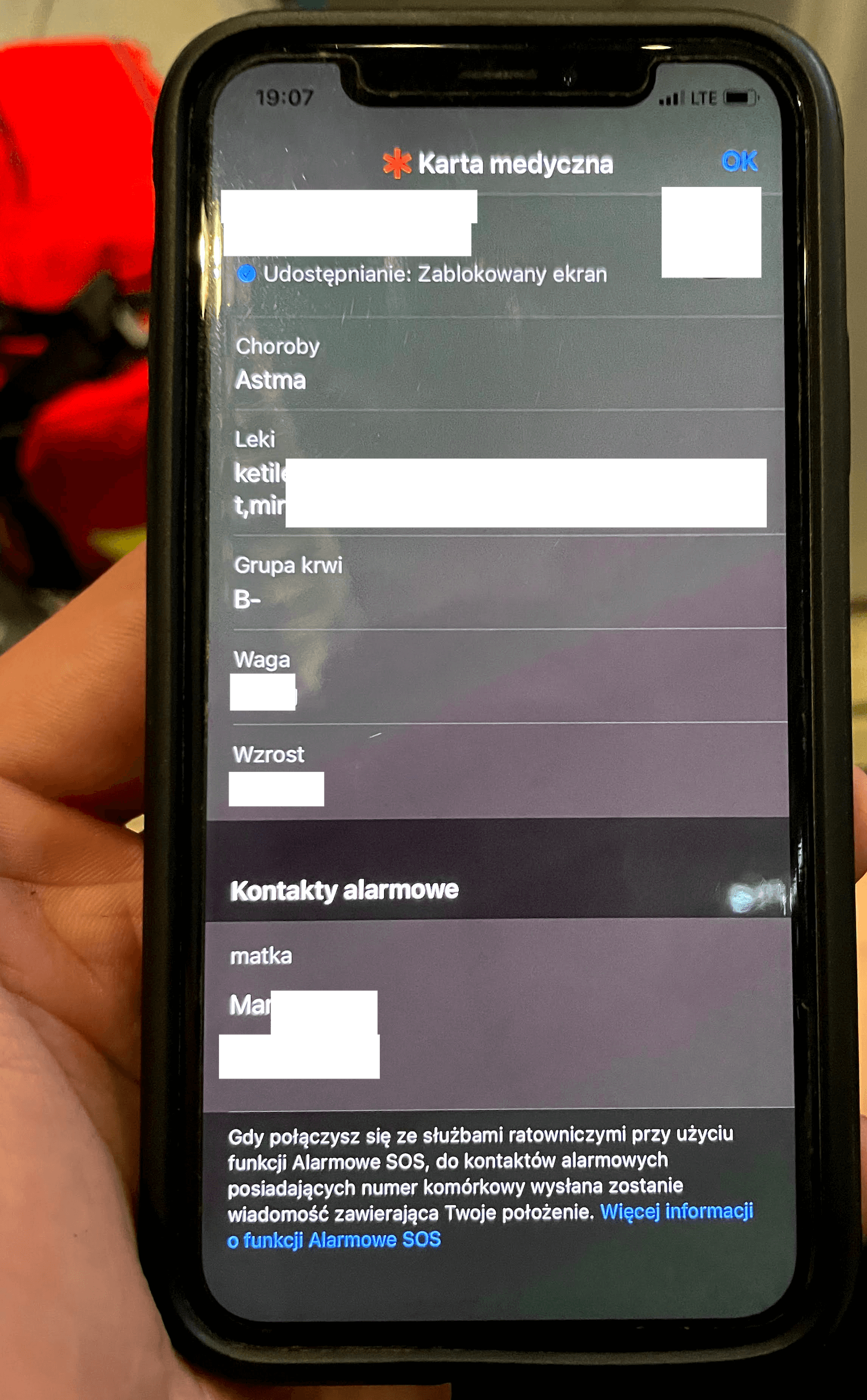
Keep in mind that first responders can’t rely 100% on the information provided there (for example, it might be out of date), but it will always serve as a clue or a way to contact your loved ones and verify that information.
Other phone brands have similar apps and settings: Put Emergency Info on Your Phone's Lock Screen.
Can a smartwatch help me?
Yes! Modern smartwatches, watches, and fitness trackers can measure your heart rate and even your blood oxygen levels. Keep in mind, however, that these are not medical devices and may not always reflect your actual condition. It’s best to use them as a helpful tool rather than relying on them completely.
While administering first aid, I put my watch on the victim to monitor her heart rate, while also checking her heart rate and breathing manually. I must admit that the feedback from the device, combined with my own observations, was truly reassuring. Later, I cross-checked the readings from my watch with the paramedics’ device.
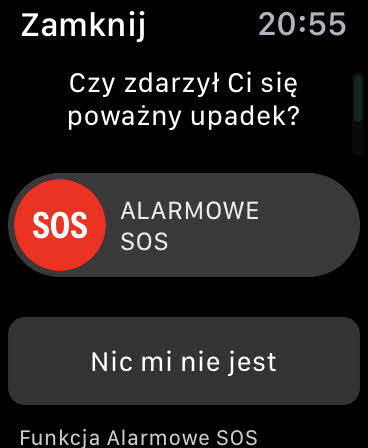
What’s more, these devices can detect a fall and call for help. By the way, one of the paramedics wrote this on social media: “Generally, we also like it when people wear smartwatches or other gadgets, because once an elderly man fainted in the park and it sent us his coordinates (meaning to the emergency dispatch center).”
I don't have a smartphone. What should I do?
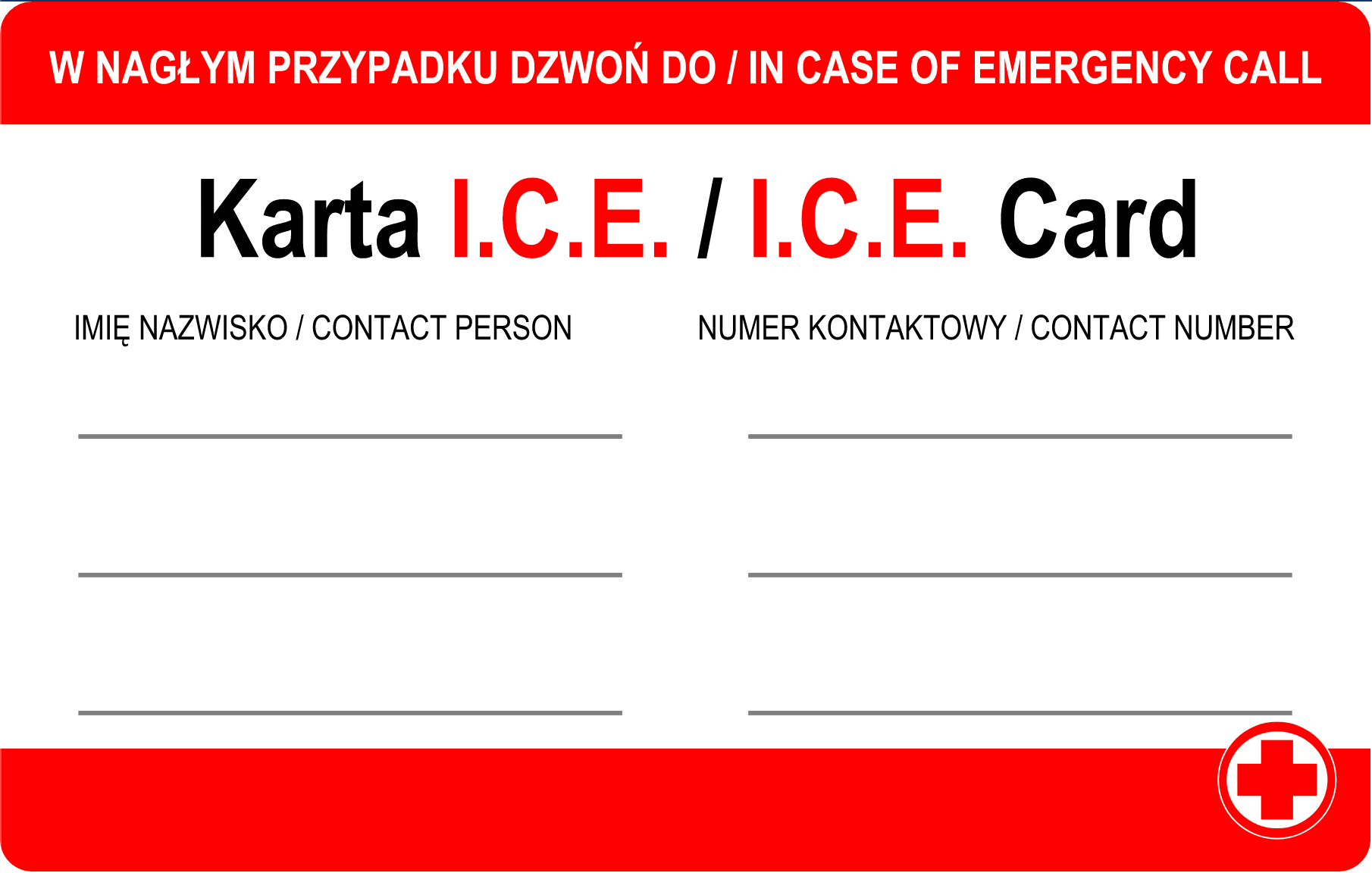
Whether you have a smartphone or not, save your contacts in your address book under the name ICE.
ICE or I.C.E. (short for “In Case of Emergency”) is an abbreviation that tells emergency responders who to call in the event of an emergency.
You can also write down this contact information on a piece of paper, a business card, or a special form. Keep it with you, for example, in your wallet.
What other apps are worth having?
If you use an AED (automated external defibrillator) during cardiopulmonary resuscitation, the victim’s chances of survival increase significantly.
Cardiopulmonary resuscitation combined with defibrillation within 3–5 minutes of loss of consciousness can result in successful resuscitation in 49–75% of cases, and every minute of delay in defibrillation reduces the likelihood of survival by 10–12%.
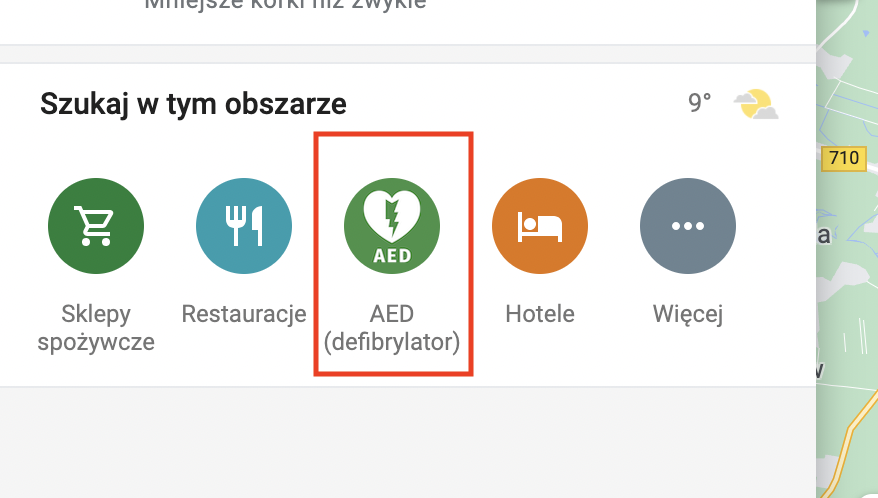
Where can you find these AEDs? They’re usually located in shopping malls, train stations, or gas stations. You can also use an app like Staying Alive. It will show you where the nearest device is.
When heading to the mountains, it’s a good idea to install the RATUNEK app, which is primarily designed to quickly call for help in the mountains. Once you submit a request, it automatically sends your exact GPS location to rescue workers, which significantly speeds up the rescue operation. The app also allows you to make a direct phone call to a dispatcher and send an emergency text message. Additionally, it provides basic information on mountain safety and the rules for calling for help. Its main goal is to reduce the time it takes for rescuers to reach the person in distress.
Another app is the RATOWNIK app, released by the Rescue Center. The app guides you step by step through emergency procedures, such as CPR or treating injuries. It includes clear instructions, graphics, and often voice prompts to help you act under pressure. It allows you to quickly call for help and provide key information to emergency services. Additionally, it serves an educational purpose, helping to reinforce first aid knowledge.
On the Google Maps Help Forum, I suggested marking such devices with a special tag. This sparked an interesting discussion, which I encourage you to read.
View related articles
IT outages happen to everyone
For the past few hours the internet messenger Slack has been down. A few weeks ago you couldn't use Google's services, and even earlier a large part of the Internet wasn't working because of an outage of Cloudflare's services. Is it possible that cloud services are unavailable?
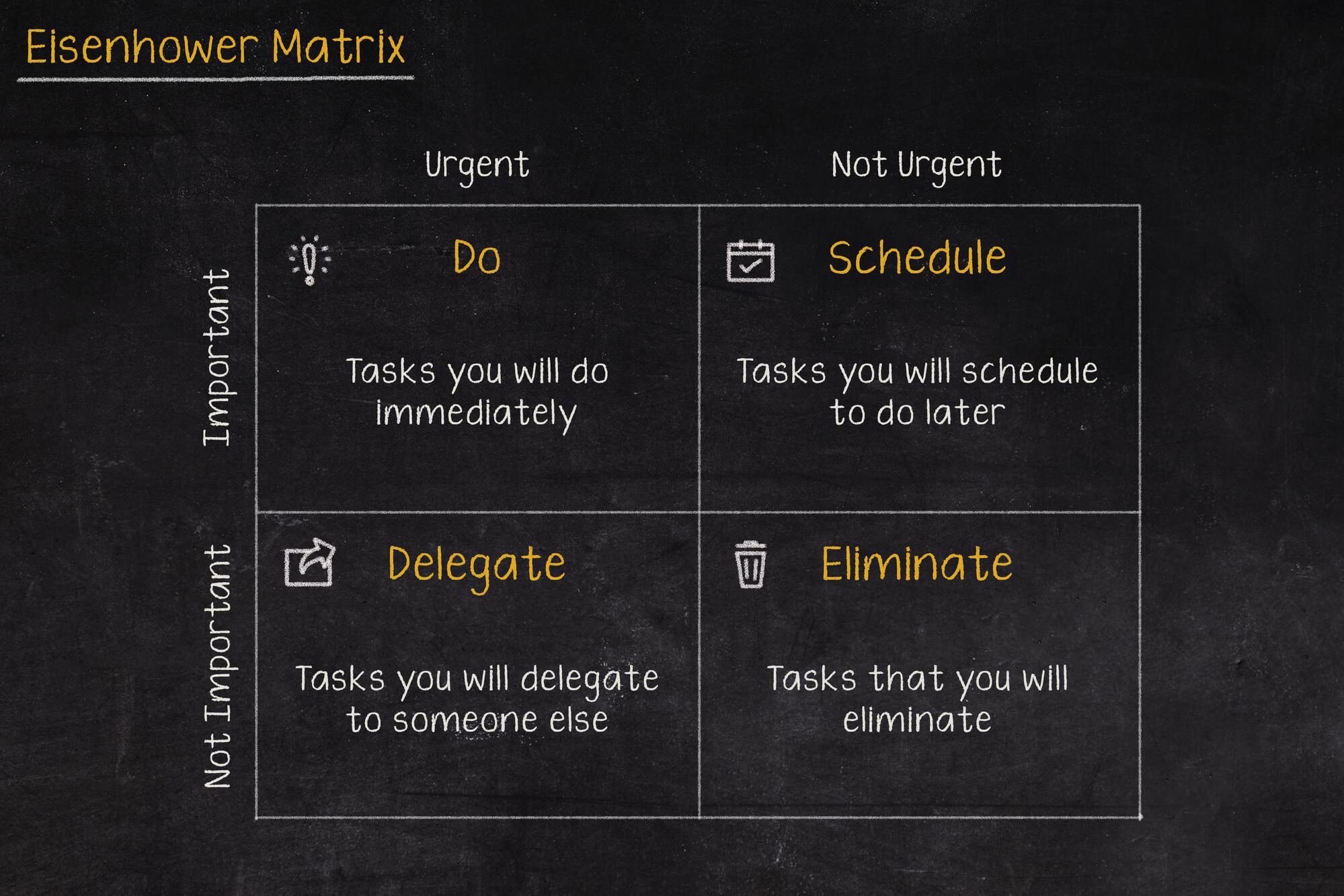
The Eisenhower Matrix, or how to take control of priorities
Go on a break, or maybe reply to that email, or pick up the phone from your boss? In what order should you tackle these tasks so as not to lose control and fall into helplessness? The solution to these problems may be the Eisenhower Matrix (also called the Eisenhower Box or Eisenhower Square).

Should the RCB Alert inform about the presidential elections?
Communication in an emergency is one of the more important topics covered during sailing, flying or diving. Warnings can save lives, which is why they shouldn't be treated lightly, and even more so shouldn't, by their wording, lead to their being ignored.