Arthur's Living Photographs
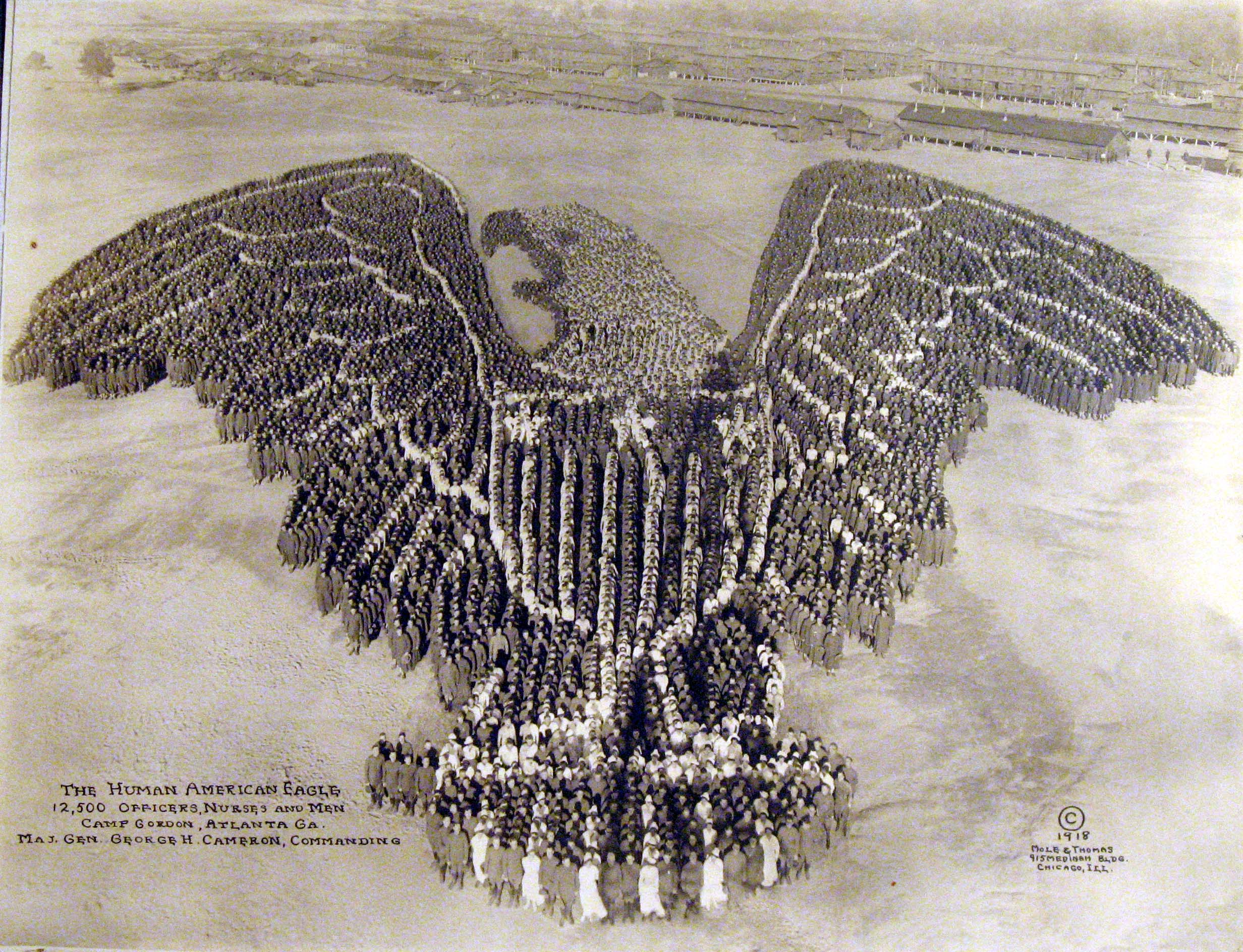
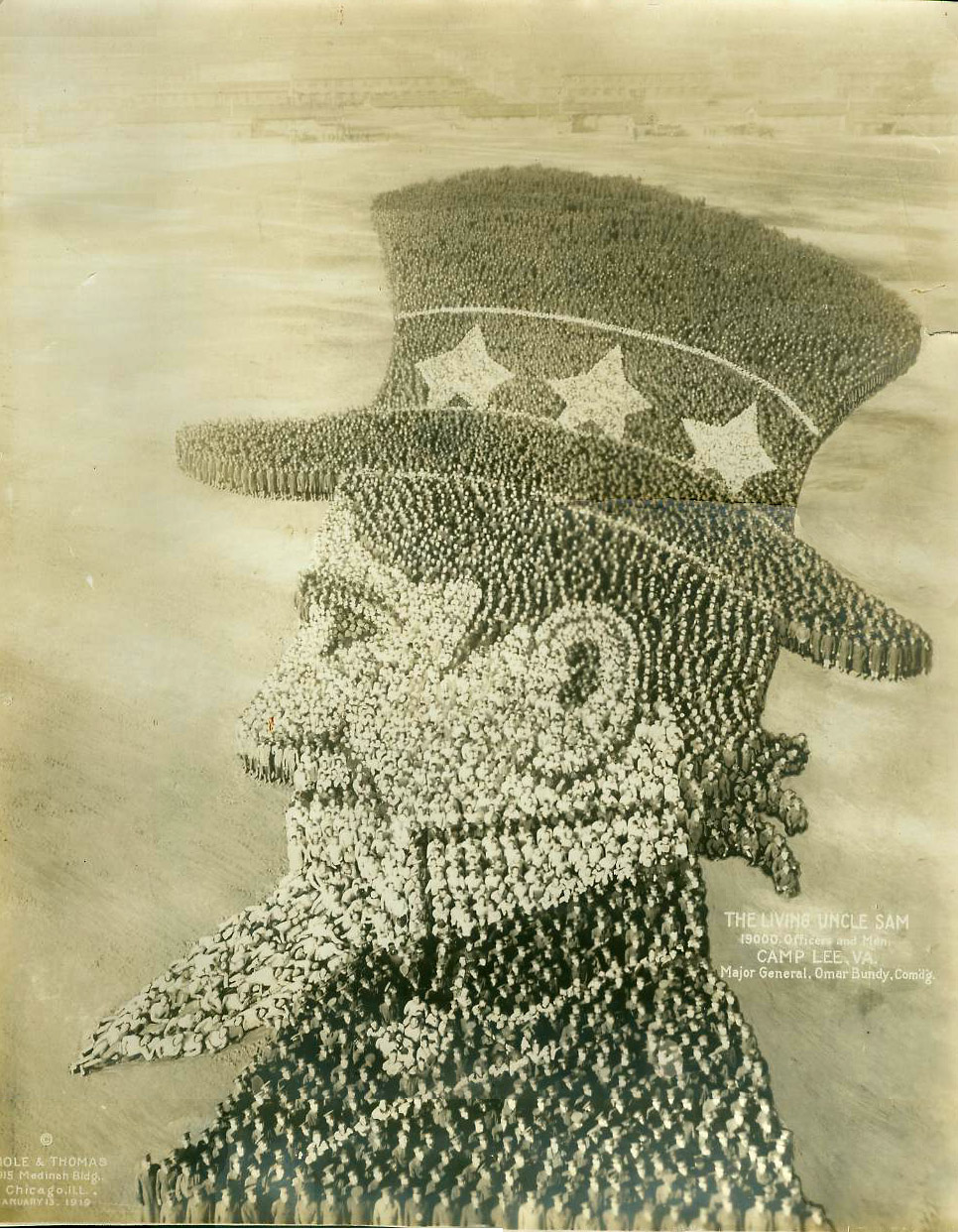
Arthur Samuel Mole became famous as the creator of "living photographs", which he made during the First World War. Tens of thousands of soldiers, reservists and other members of the military were arranged on a parade ground, forming enormous and astonishing compositions. John D. Thomas also helped in this huge undertaking.
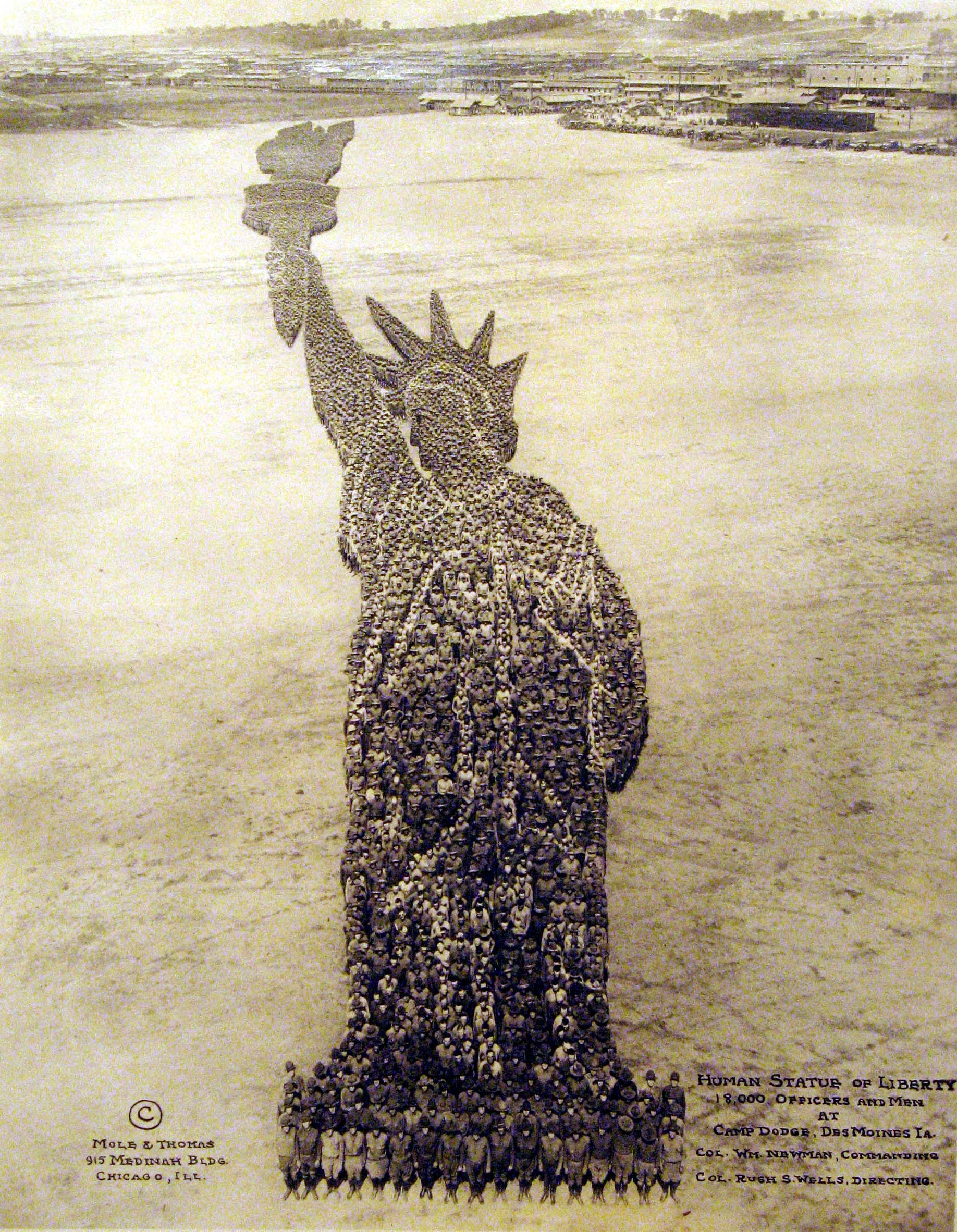
One of the more famous photographs is the "Human Statue of Liberty", formed from 18,000 soldiers. It was created in July 1918 at Camp Dodge, Iowa. The photo was meant to promote the sale of war bonds. Many soldiers fainted that day, as the air temperature reached nearly 40 degrees Celsius and they were dressed in woollen uniforms.
The photo was taken from a specially built tower 24 metres tall (80 feet), by the Mole & Thomas photographic studio. Because of the distortion of perspective, more people are at the top of the photo than at the bottom. Almost 2/3 (about 16,000 people) of the total number of soldiers form the torch's flame along with the burner, while the remaining 2,000 formed the rest of the statue.
- torch flame: 12,000
- burner: 2,800
- right arm: 1,200
- head and torso: 2,000
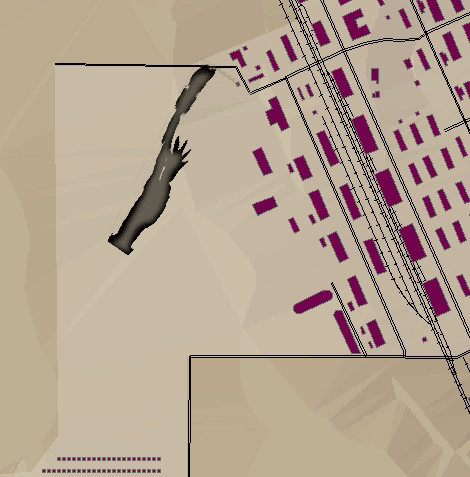
Mole & Thomas used a camera with an 11 x 14 inch lens to take the photo. First, a glass plate with the image of the statue drawn on it was placed in front of it. Then, with the help of assistants, the soldiers were positioned on the ground. The photographer, armed with a megaphone and a long pole with a white flag, issued instructions to the assistants in order to form the figure. The preparations took several weeks, and the final positioning for the photo took several hours. It was a truly enormous display of planning and logistical skill.
The distance between the first row of people, occupied by Colonel Newman and his staff, and the last man at the top of the torch was about 376 metres (1,235 feet).

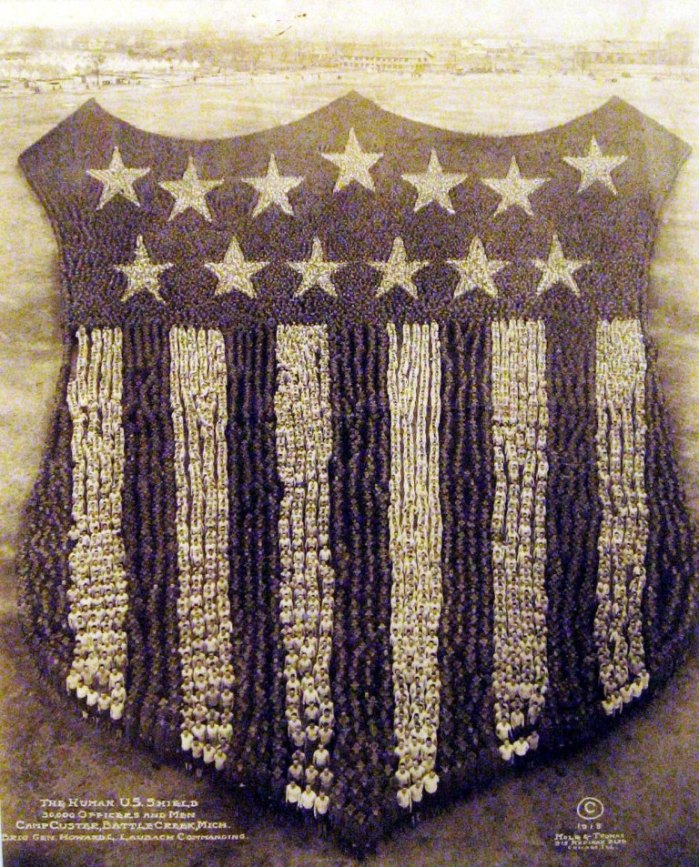
Arthur S. Mole, born in 1889 in England, died in 1983 in the United States.
View related articles
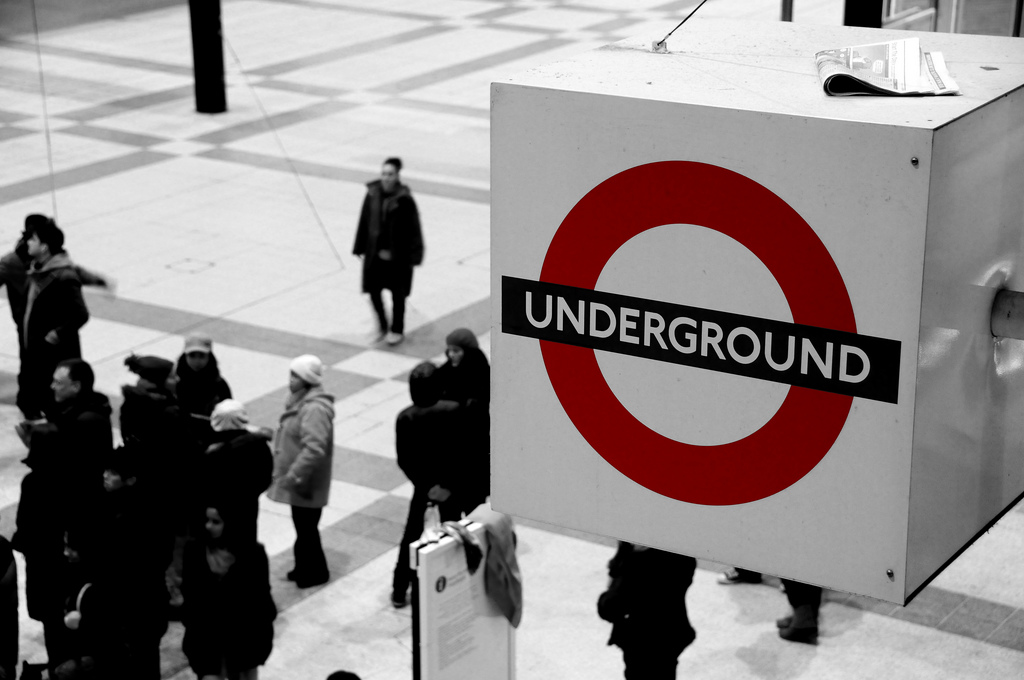
Lundon! There's Lądek, Lądek Zdrój, yes…
One day, sitting quietly at my computer, I met Kaja. A strange chain of events led me to decide to visit her in Seville, Spain. I planned my trip so as to see London along the way — the city that has become a paradise of riches for Poles.
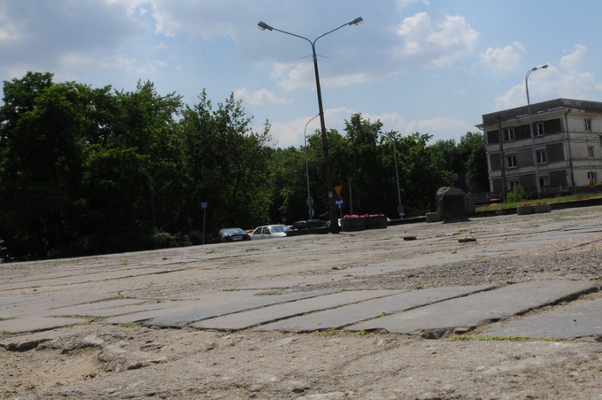
The Old Market Square in Łódź
As tends to happen at the end of the year, a little grumbling is in order. That Łódź is a different city from all the rest, I probably no longer need to prove to anyone. Sitting in front of my computer, I realised yet another fact that sets this place apart. We have no Old Market Square!
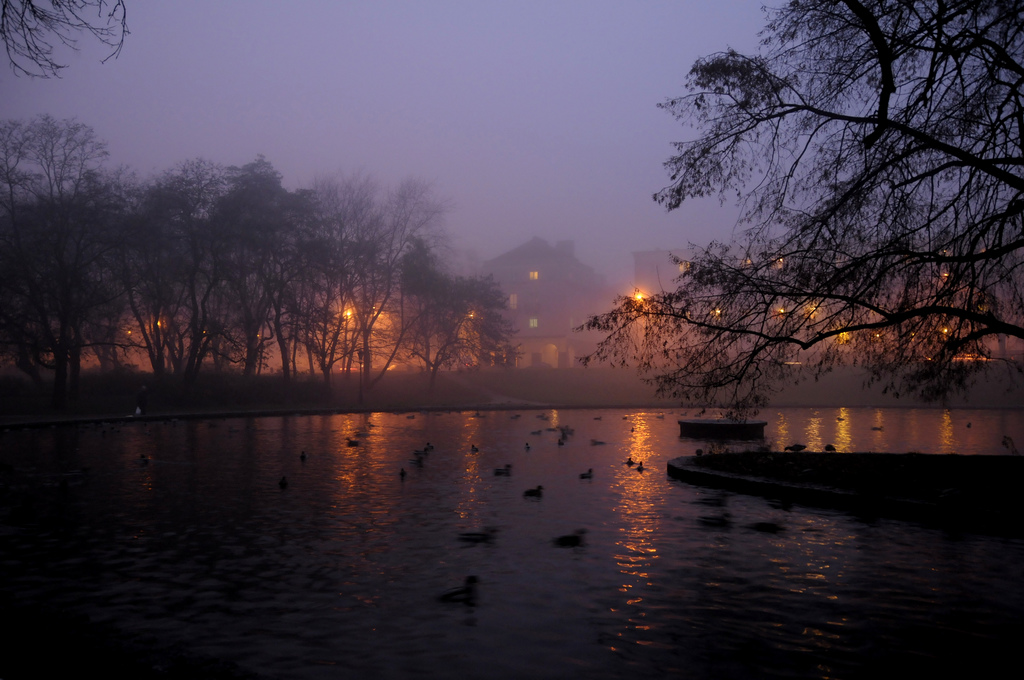
Foggy Wanderings Around Łódź
Some time ago I went on night-time wanderings around Łódź. The city seemed to me empty, sad and gloomy then. On a certain foggy evening I wanted to set out again and capture the beauty that Łódź hides somewhere within itself.