Atomic Storks in Chernobyl
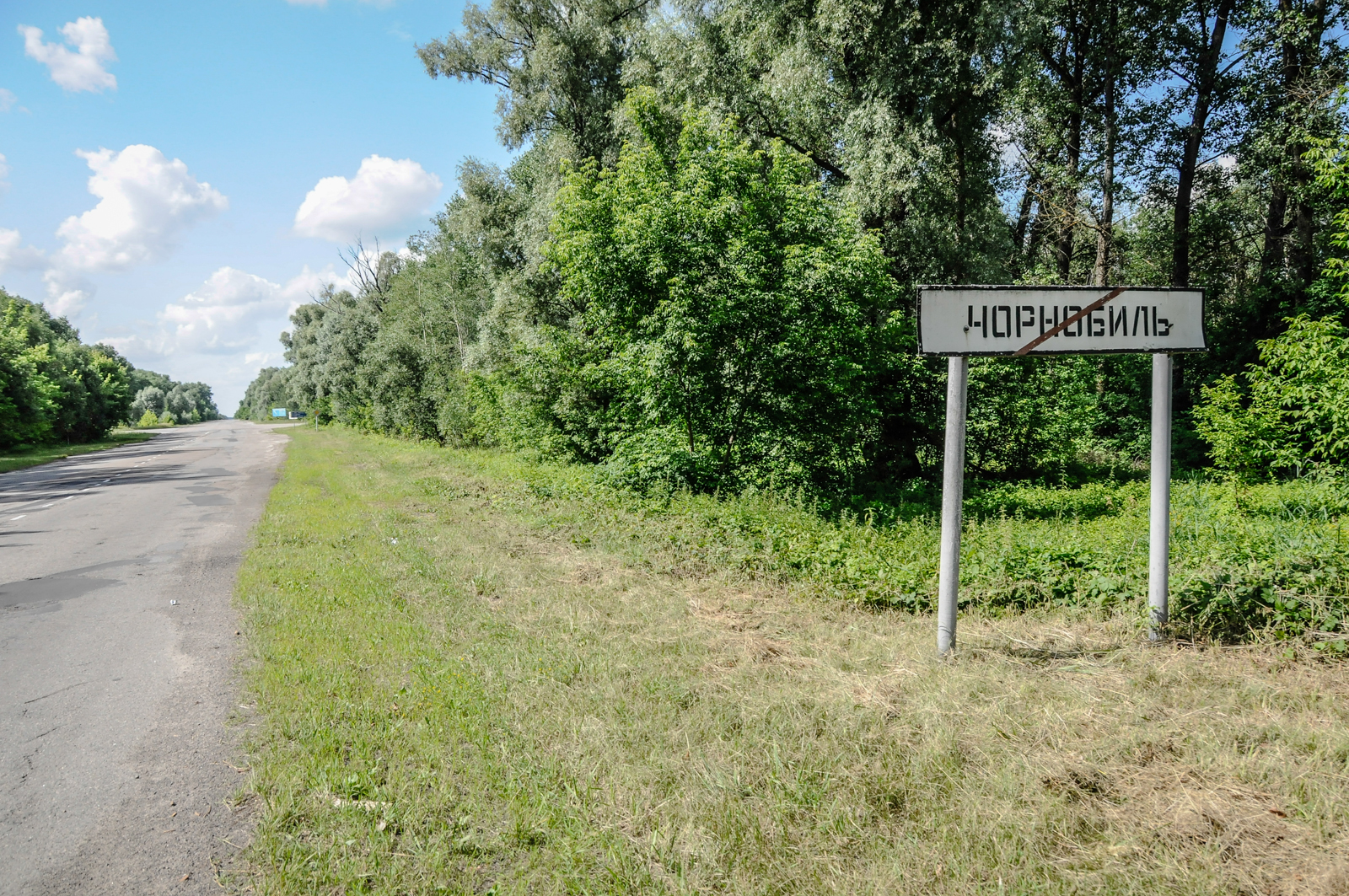
The Chernobyl Nuclear Power Plant is associated with the town of Chernobyl, located about 18 km from the reactor itself. The plant took its name from the largest town in its vicinity, which in turn owes its name to a plant of the same name (mugwort/wormwood) that covered the farmland of the area in the 19th century. Just before the disaster, about 15,000 people lived in the town. Today you can come across around 2,000–3,000 of them. They are mainly workers from various agencies, guides and scientists, and soldiers.
They do not live here permanently. Ukraine permits staying within the closed zone for a period of 3 months per year. On average, every two weeks one team of workers leaves and is replaced by a new one. You can also meet residents who could not come to terms with the forced evacuation.
After the accident, about 65 villages were evacuated, along with other places (individual farmsteads), inhabited mainly by farmers. Some of these people, mostly the elderly, returned to their home regions. They live there somewhat illegally.
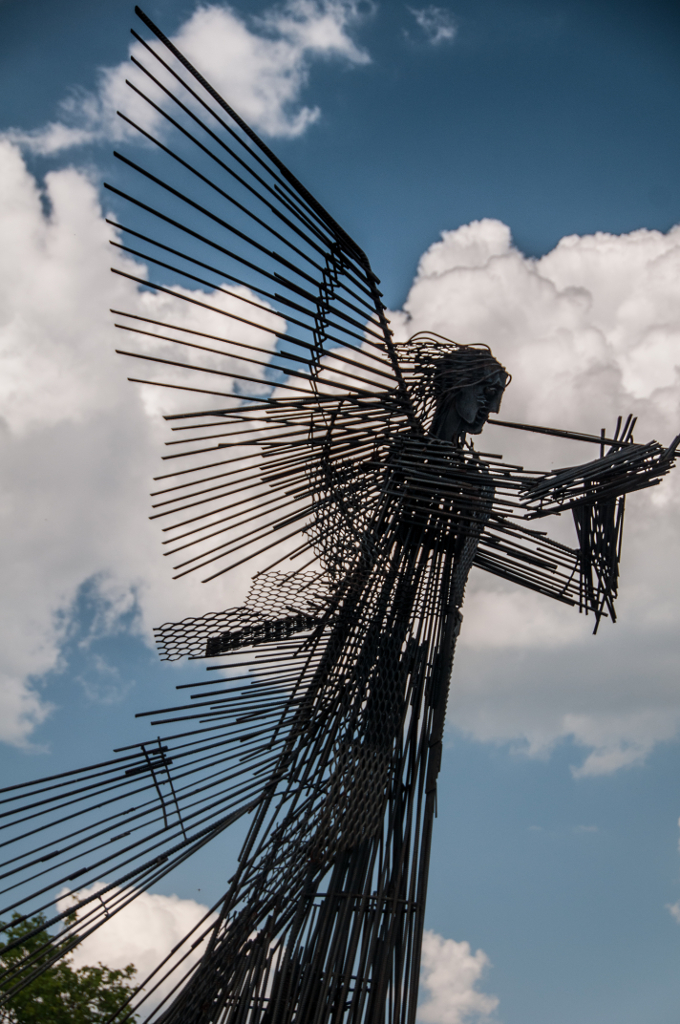
In the town centre you can see the monument of the Trumpeting Angel, as a reference to the Apocalypse of St John and the falling of a burning star upon the world. It alludes to the power plant disaster. Next to the monument there is an avenue with the names of all the evacuated localities written out. At its start there is also a concrete monument, which is a map of the marked-out zone with places for candles, arranged so as to show where the depopulated villages once stood.
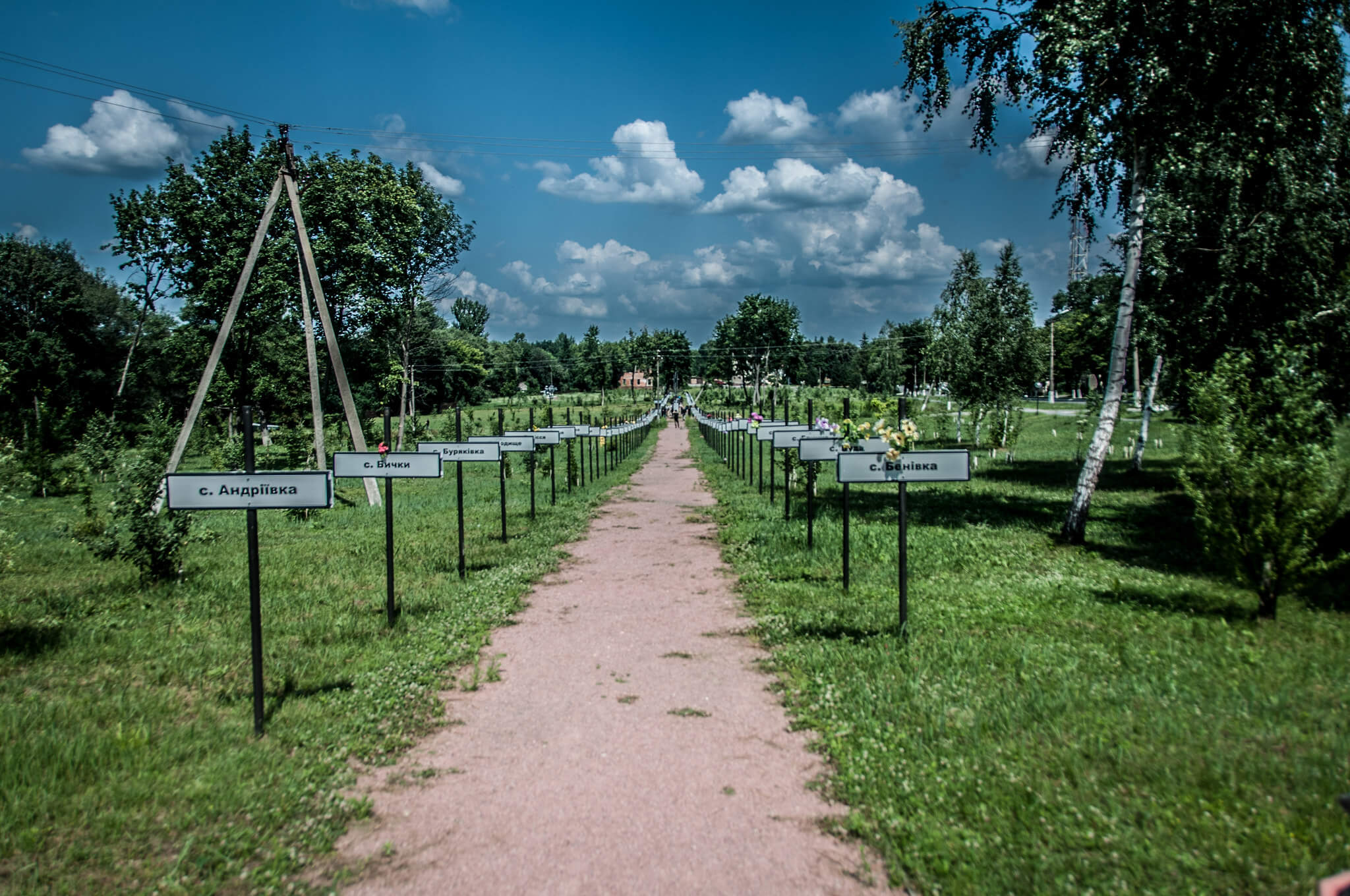
At the very end of the avenue there is a special postbox, also with the names of the localities. People who return here drop envelopes into the appropriate box, with the names and addresses of those they lost contact with as a result of the resettlements. The Chernobyl post office tries to track these people down and sends the letter free of charge.
Atomic storks
In Chernobyl it's also worth looking at the beautiful, colourful paintings on a wall. On them we'll see the reactor and storks settling in. Further images show the reactor exploding and the startled birds fleeing. The storks are meant to symbolise the people who had to emigrate from their nests, but who hope to return to their home regions.
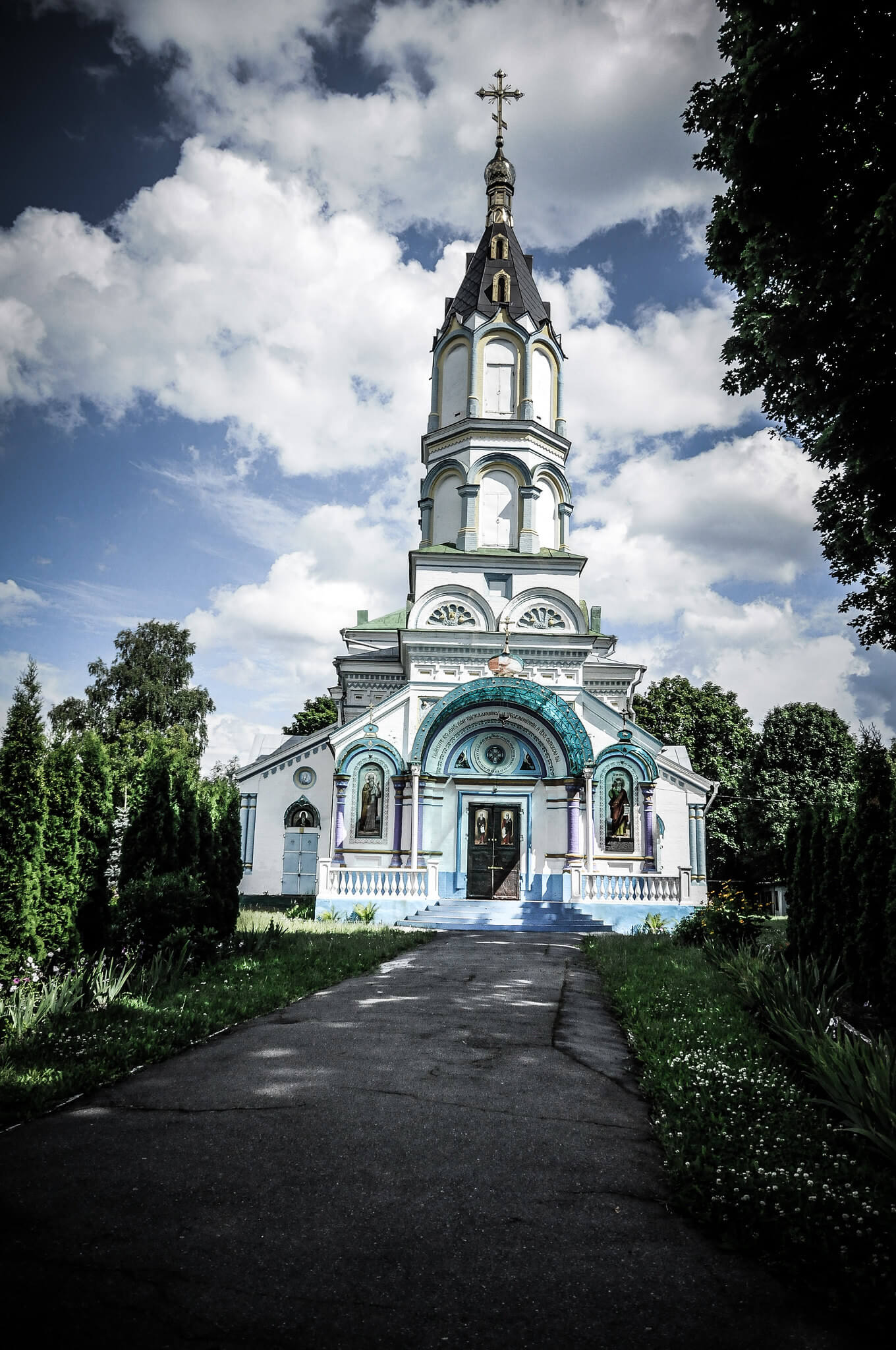
St Elijah's Orthodox Church in Chernobyl is currently the only structure of its kind operating within the closed zone. In the area we'll also find many abandoned wooden homesteads and farms, crumbling and overgrown.
Chernobyl is a beautiful town, where you can sleep over in a local hotel and have lunch in the canteen.
View related articles
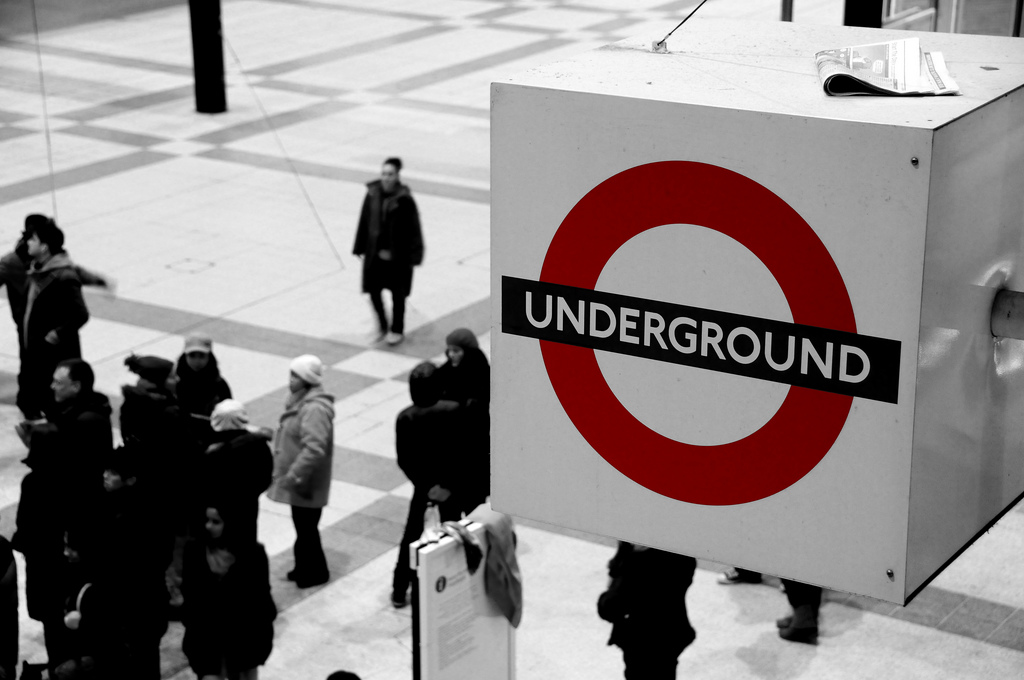
Lundon! There's Lądek, Lądek Zdrój, yes…
One day, sitting quietly at my computer, I met Kaja. A strange chain of events led me to decide to visit her in Seville, Spain. I planned my trip so as to see London along the way — the city that has become a paradise of riches for Poles.
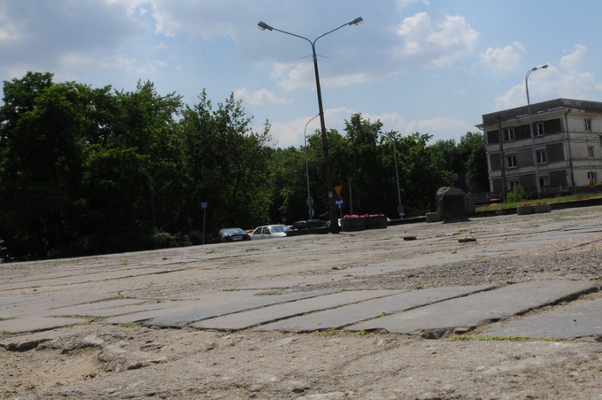
The Old Market Square in Łódź
As tends to happen at the end of the year, a little grumbling is in order. That Łódź is a different city from all the rest, I probably no longer need to prove to anyone. Sitting in front of my computer, I realised yet another fact that sets this place apart. We have no Old Market Square!
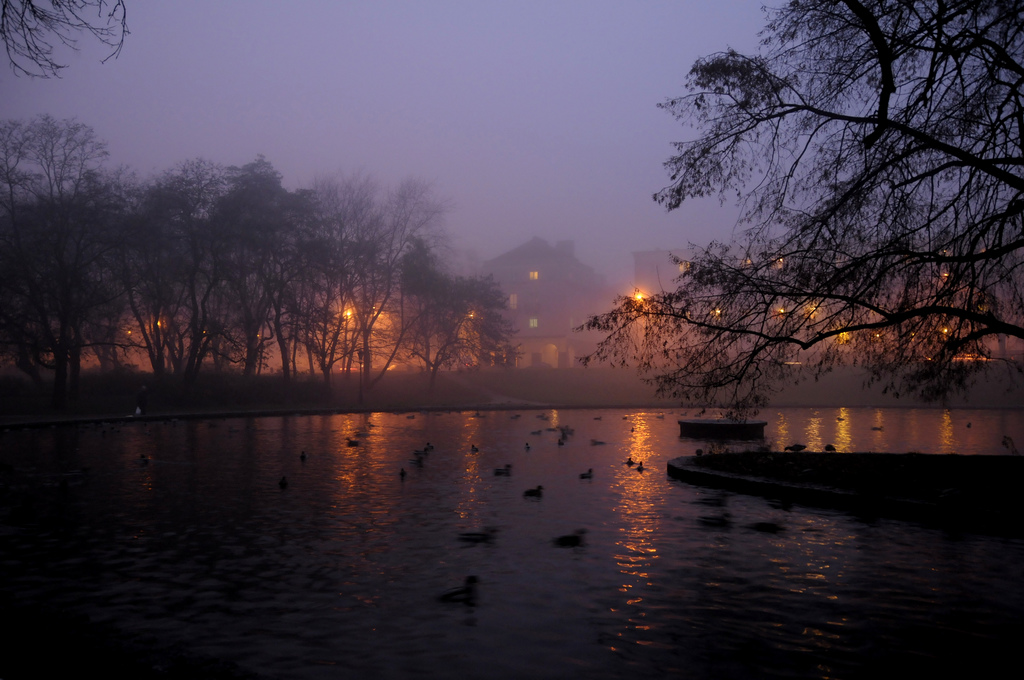
Foggy Wanderings Around Łódź
Some time ago I went on night-time wanderings around Łódź. The city seemed to me empty, sad and gloomy then. On a certain foggy evening I wanted to set out again and capture the beauty that Łódź hides somewhere within itself.