Buy or build it yourself?

Buy or build it yourself? Every online creator, entrepreneur and virtual assistant faces this question. It's a huge dilemma on the e-commerce market: buy an online shop as SaaS or build it yourself. Or maybe commission an external company? Let's look at the pros and cons of each solution and what to watch out for.
Let's take, for example, an online shop that will have an email sending system (newsletter) and other standard solutions like connections to stock levels, a product rating system and so on.
Table of contents
I'll do it myself, it'll be cheaper
Usually, when you decide to build something yourself, especially something that's commercially available, you don't take many costs into account.
First, the thing you're building usually costs significantly more when you factor in the engineering time needed to support and maintain the solution (backups, code and server updates) that you built. Building a website, blog or shop yourself, you don't even take into account the time you devote to it. And time is money.
Second, which in many cases is even more important, is the fact that you have limited development resources, and everything you build uses up part of that development capacity. Instead of focusing on the key elements of your business - you click through more website components, choose plugins and try to somehow connect it with email sending.
My experience in this field shows that most beginning businesses tend to rely on a cost-based strategy - building everything themselves to generate savings. This tendency most often manifests in a flawed or incomplete analysis, which shows that building a particular solution is actually cheaper for the company than buying the same product. The most common mistakes in such an analysis are:
- underestimating the total costs of building;
- omitting or underestimating the future costs of maintaining, servicing and updating the solution;
- a lack of knowledge on the given topic;
- a lack of experience in having built such solutions before.
So what's worth doing yourself?
- That which is key to the growth of your company. Perhaps it's the product you want to sell in the shop (and not the online shop itself).
- When the solution is key in your business and provides a decisive competitive advantage.
Large online shops like Amazon or auction platforms like Allegro create their own software for selling online. It's their core business, specific solutions that aren't available on the market.
Or maybe commission an external company?
When you already know that building it yourself isn't the solution for you, maybe it's worth commissioning an external company that specialises in such products or services.
I won't go on here about how to choose the right company for this, because Arkadiusz Szczudło did so in his article How to choose a Software House? A lawyer's guide.
What's worth paying special attention to is whether, as part of building such a solution for us, we receive the rights to the source code as well as the code itself. Thanks to this we'll be able to change the company building such software and continue developing the product with them or do it ourselves.
This way we'll avoid vendor lock-in, that is, a situation in which you're dependent on a supplier's products to such an extent that you can't change supplier without incurring switching costs.
Software creators build various kinds of mechanisms that make easy migration to another solution or to another supplier impossible. This isn't always intentional and may stem merely from flawed system design and a lack of knowledge on the software house's side.
Pros and cons of SaaS solutions
The last element of the puzzle is choosing a ready-made and working solution in the software as a service model (SaaS for short). In this model, we're not interested in the hardware, the work environment, the servers or the programming language. In the subscription model we buy a ready-made and working solution for us.
In my opinion this is a very good approach if we want to check whether our business simply takes off. Instead of building an online shop ourselves or commissioning it from external companies, we can buy it for a month, a year and simply use a ready-made solution.
What's worth paying attention to when choosing this kind of solution is:
- whether there's a possibility of easily exporting our data, if we suddenly decided on our own solution - this way we'll avoid the previously mentioned vendor lock-in;
- what specifically the price list of such a service looks like and how it will change over the course of our growth, since there are known cases where providers of such software change the price list overnight, increasing it by 5000%;
- whether the software provider creates backups and what SLA it guarantees for its services, since in the event of an outage we're entirely dependent on its solution;
- whether the component or feature we use in our business won't be discontinued - even a giant like Google killed off many of its products running as SaaS.
Summary
Relying exclusively on third-party solutions is a recipe for disaster. I'm not saying these solutions are bad, quite the opposite. However, you can become so dependent on a supplier that any change will be too costly for you.
On the other hand, building everything yourself can mean that from a company that was supposed to sell something through an online shop, you become a software house creating software for that purpose.
A good rule, in my opinion, would be the statement: "Buy When Non Core". No matter how good, intelligent you are, or what a wonderful team you have, you won't be the best at everything.
What's more, your customers expect you to focus on the things that create a competitive advantage. That's why build only the things you're really good at and which significantly affect your products, platform or system. Delegate everything else to external companies or buy it as SaaS.
View related articles

IT outages happen to everyone
For the past few hours the internet messenger Slack has been down. A few weeks ago you couldn't use Google's services, and even earlier a large part of the Internet wasn't working because of an outage of Cloudflare's services. Is it possible that cloud services are unavailable?
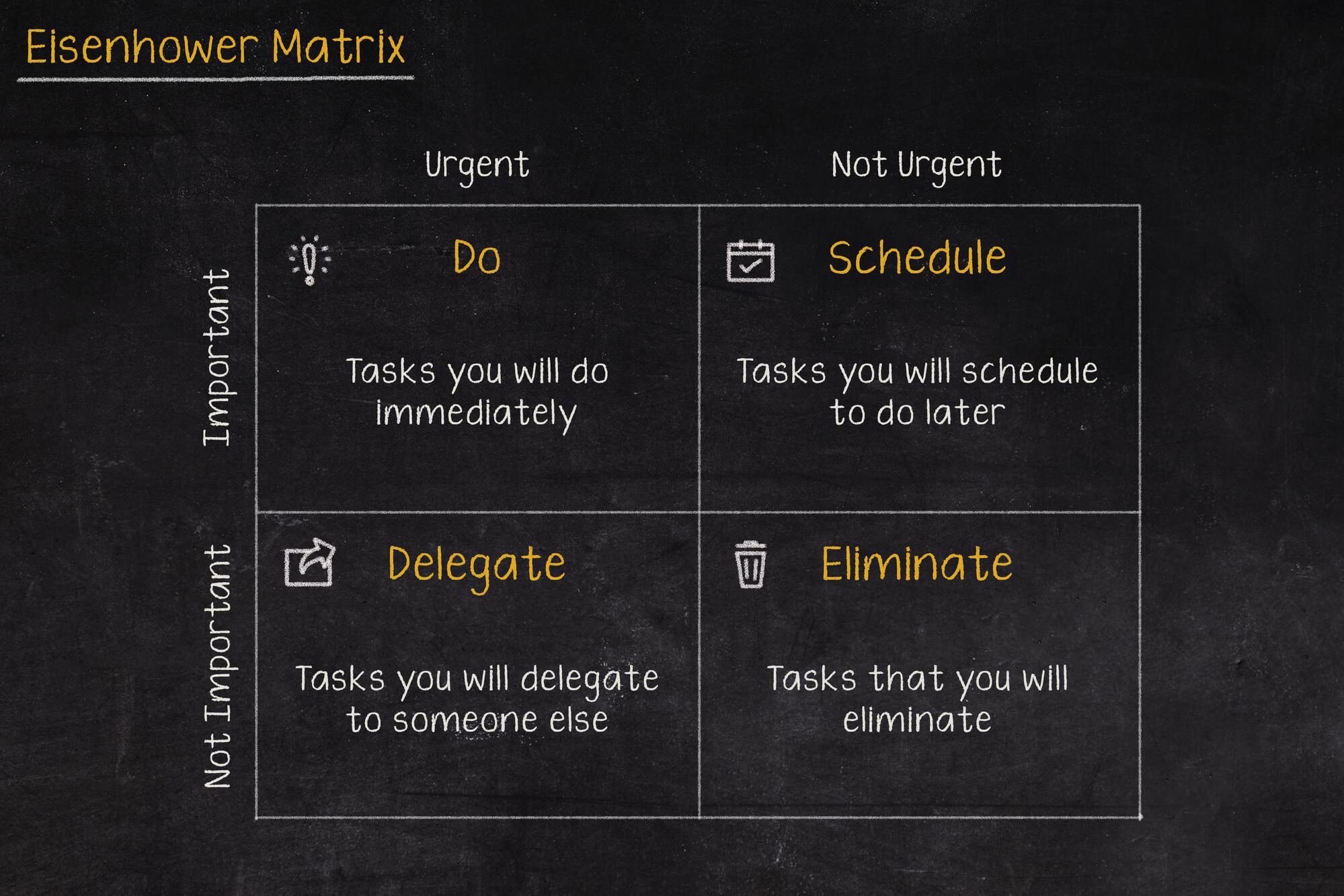
The Eisenhower Matrix, or how to take control of priorities
Go on a break, or maybe reply to that email, or pick up the phone from your boss? In what order should you tackle these tasks so as not to lose control and fall into helplessness? The solution to these problems may be the Eisenhower Matrix (also called the Eisenhower Box or Eisenhower Square).

Should the RCB Alert inform about the presidential elections?
Communication in an emergency is one of the more important topics covered during sailing, flying or diving. Warnings can save lives, which is why they shouldn't be treated lightly, and even more so shouldn't, by their wording, lead to their being ignored.