Icelandic Sheep That Won't Get Off the Road
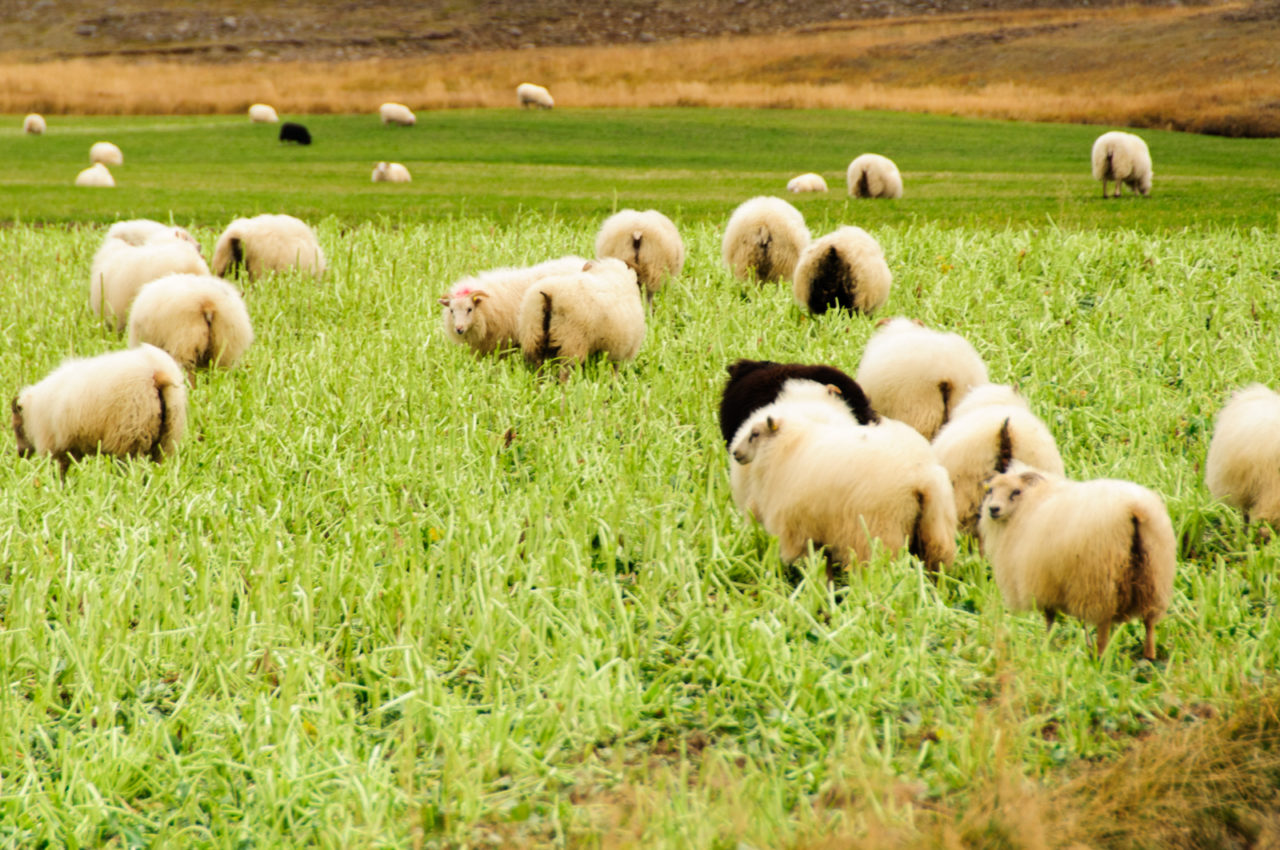
Travelling across Iceland you can come across sheep on your way. Whole flocks of sheep on pastures scattered across the island. The merciless weather makes these animals truly exceptional.
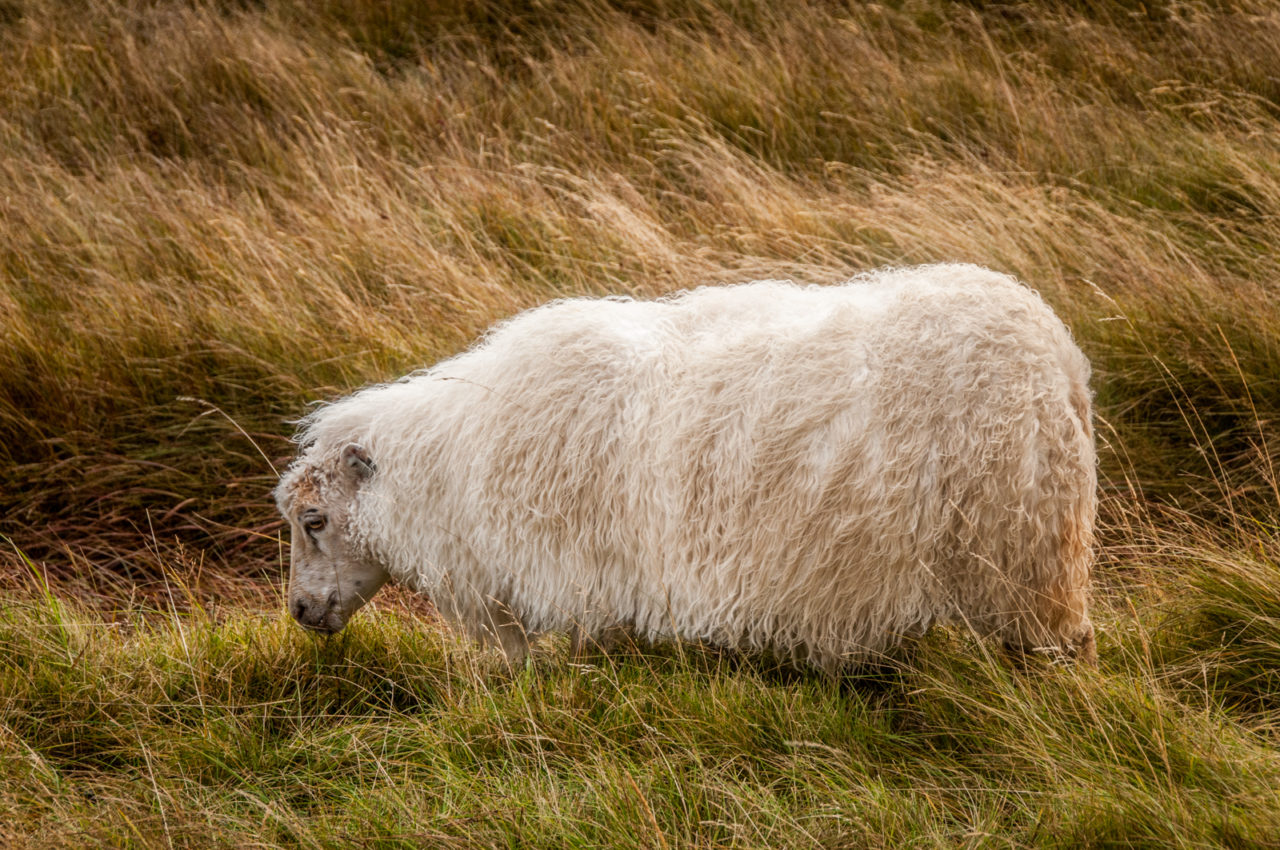
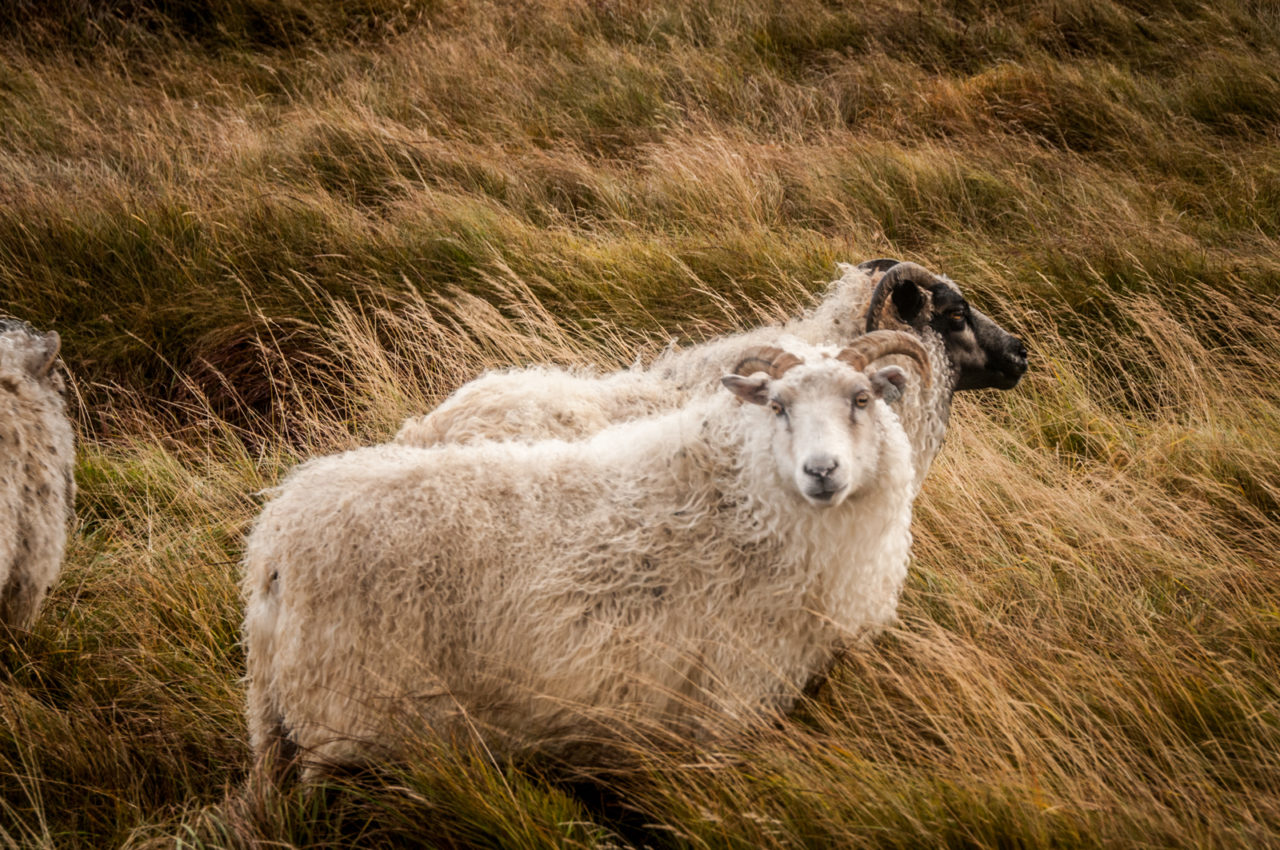
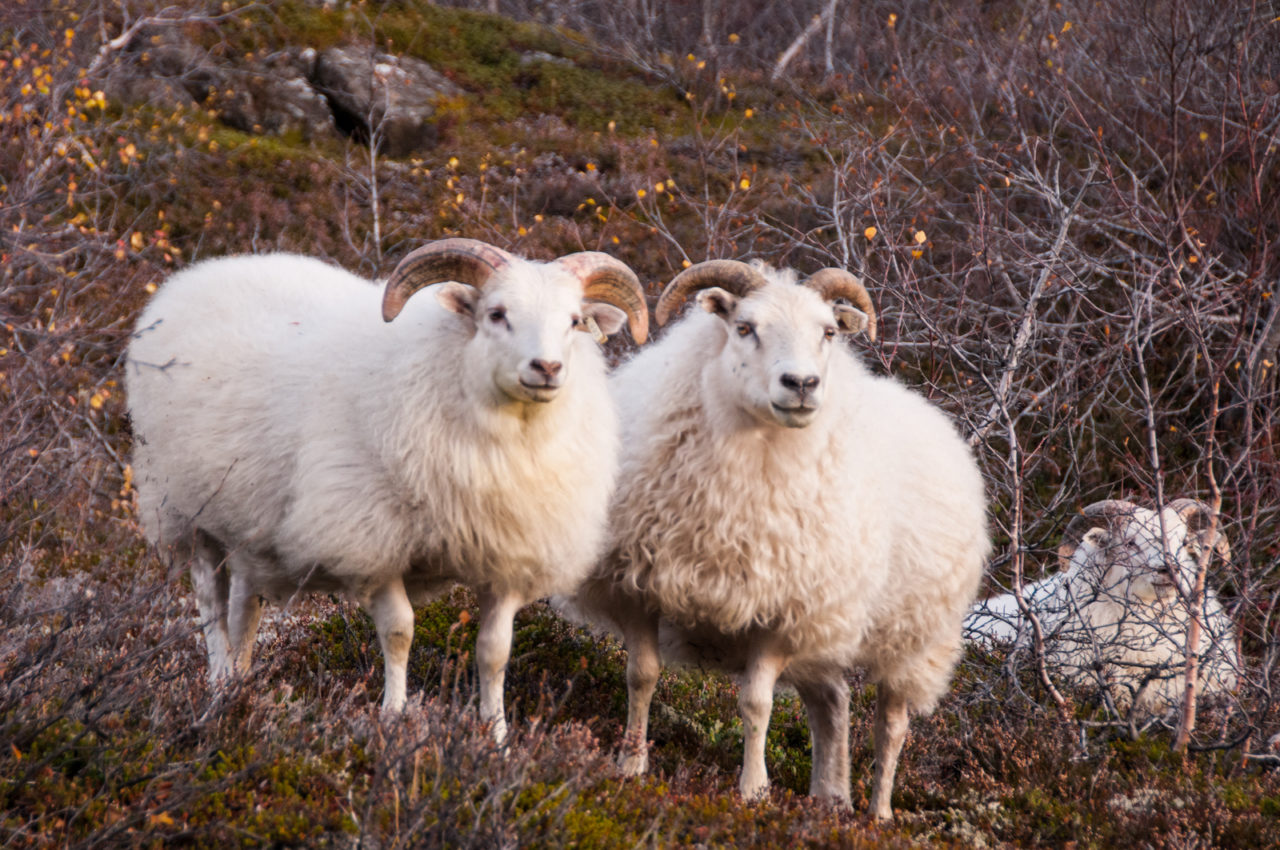
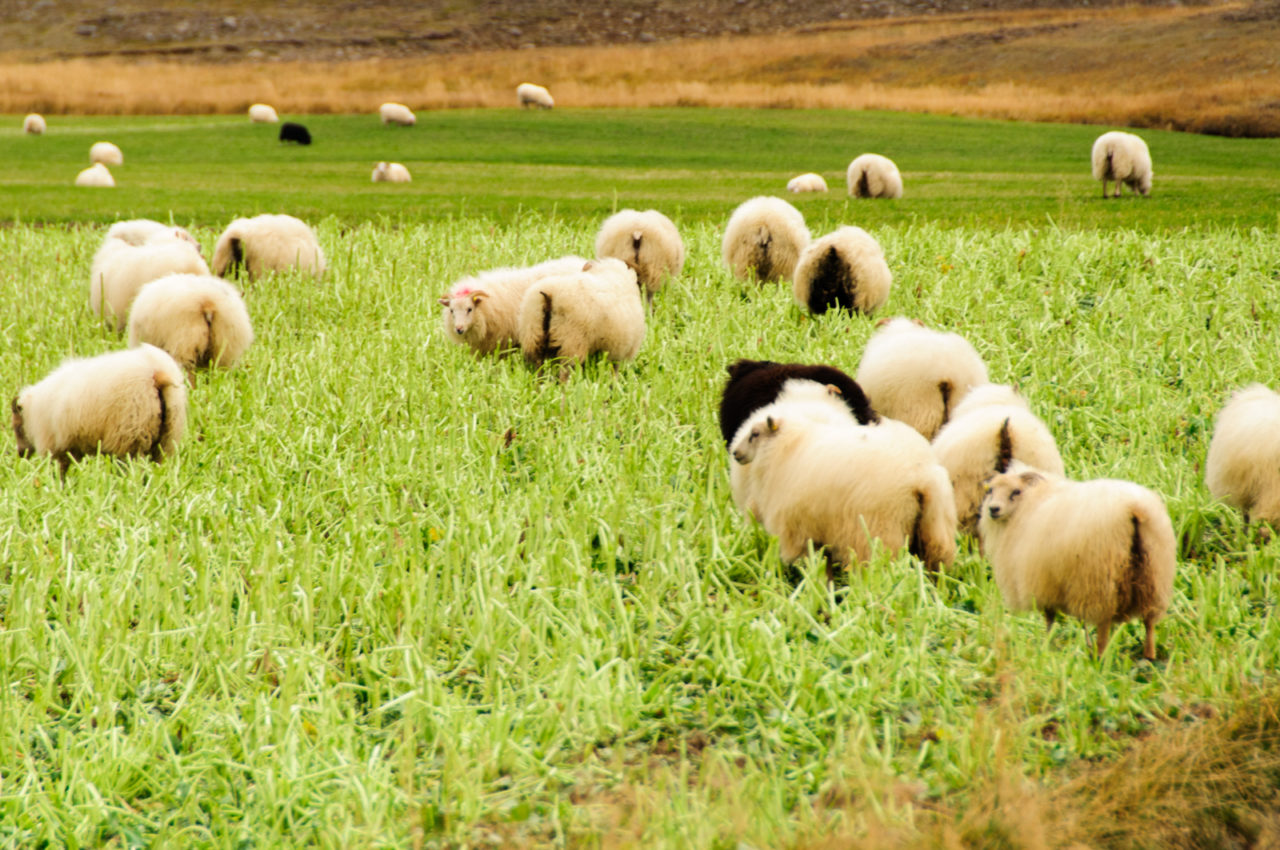

Sheep can very often be come across even on national road number 1. They are reluctant to get off the road and aren't afraid of cars. They do, however, flee from the camera.
Sheep appeared in Iceland thanks to the Vikings, and since then they have been very important to the island's inhabitants. The soil and the climate mean that farmers don't have much to do, while fishermen inhabit areas close to the coast or rivers. The rest of the country is occupied by breeders. So the raising of livestock, and above all sheep, provides the inhabitants with food and wool.
The Icelandic sheep breed was not crossed with other breeds for centuries. Thanks to this, it gives wonderful wool and meat that is amazing in taste. Very intense rains, strong and violent winds and very harsh weather have given the sheep two types of coat. The outer fibre, up to even 20 cm long — tog — is impregnated with grease. Its job is to protect the sheep from the merciless weather.
The inner coat, called þel, is very short and soft. It has insulating properties and protects the animals from very low temperatures. These animals can survive even up to 45 days under a cover of snow. They stay all year round on the vast pastures across Iceland. They themselves cover huge expanses of terrain searching for food, even from under the snow.
The beginning of September in Iceland starts with a great celebration. The breeders dress in woollen, warm jumpers, take tents, sleeping bags, blankets and provisions for a few days, and set off on horseback with dogs in search of their sheep. Groups of people search the mountains and valleys to drive the sheep down to a set place. For many days the farmers sleep in tents somewhere in the mountains. After many days, once all the sheep have been found, they are sorted among the farmers. The sheep are identified by the markings on their ears.
The animals are sheared, since it is wool, right alongside meat, that is the main income for the farmer. Whole villages take part in this work. Then some of the sheep go to slaughter, and the rest to sheds and pens, where they'll survive the winter. During winter the flock constantly grows and lambs arrive. Just a few days after birth, the young are let outside to get used to life on the pastures. Icelandic sheep are truly exceptional and important to the island's inhabitants.
From the sheep's wool, Icelanders make wonderful jumpers that will perfectly warm anyone who feels the cold.
View related articles

Lundon! There's Lądek, Lądek Zdrój, yes…
One day, sitting quietly at my computer, I met Kaja. A strange chain of events led me to decide to visit her in Seville, Spain. I planned my trip so as to see London along the way — the city that has become a paradise of riches for Poles.
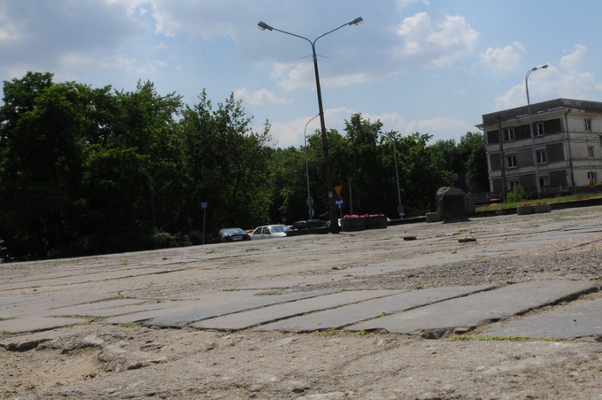
The Old Market Square in Łódź
As tends to happen at the end of the year, a little grumbling is in order. That Łódź is a different city from all the rest, I probably no longer need to prove to anyone. Sitting in front of my computer, I realised yet another fact that sets this place apart. We have no Old Market Square!
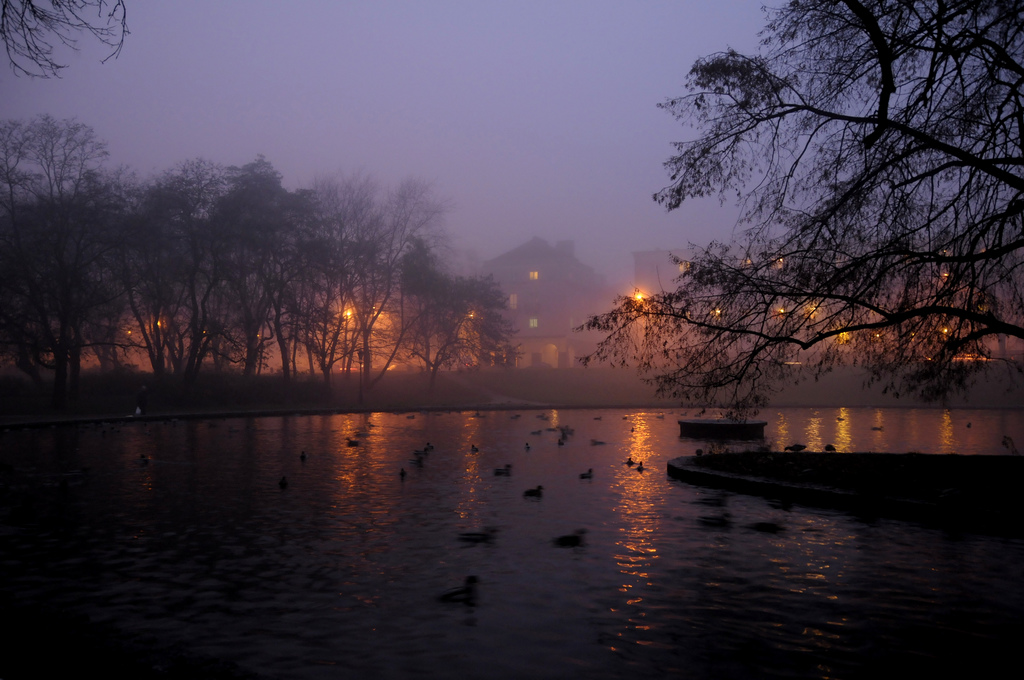
Foggy Wanderings Around Łódź
Some time ago I went on night-time wanderings around Łódź. The city seemed to me empty, sad and gloomy then. On a certain foggy evening I wanted to set out again and capture the beauty that Łódź hides somewhere within itself.