Kłomino – a Dead Town
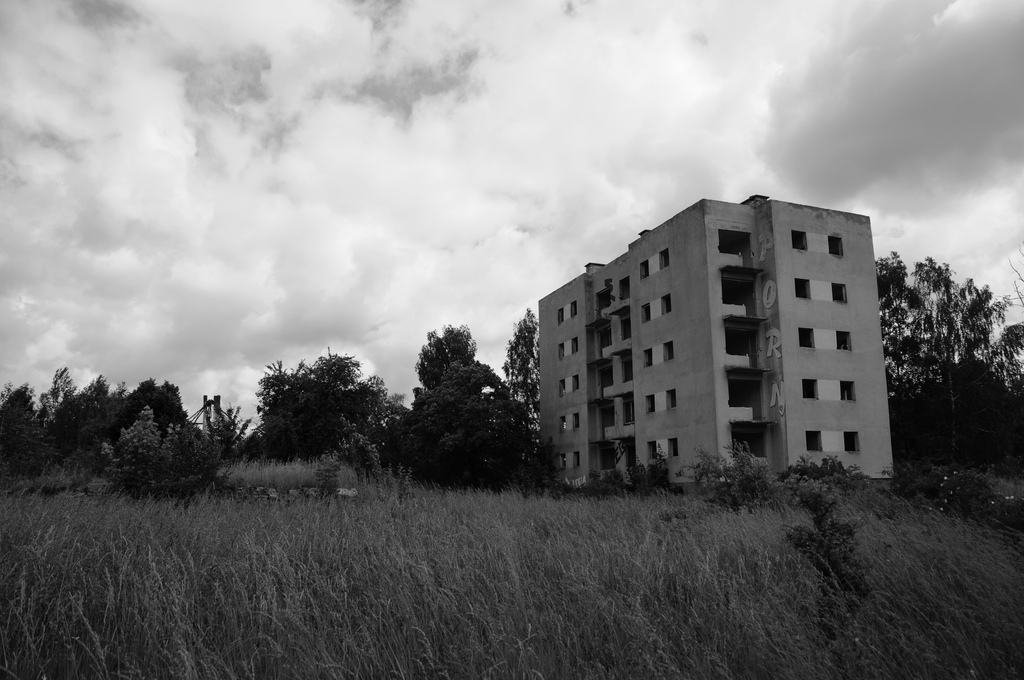
So much is said about the dead towns in Ukraine after the explosion of the reactor at Chernobyl. Deserted towns and villages stretch on for kilometres over there. You don't have to look so far for dead towns, though. You can visit Kłomino, which lies near Borne Sulinowo (about 15 km from the town). The town sits on the edge of a former military training ground. In Soviet times it was called Grodek or Gródek, and in German it was known as Westwalenhof.
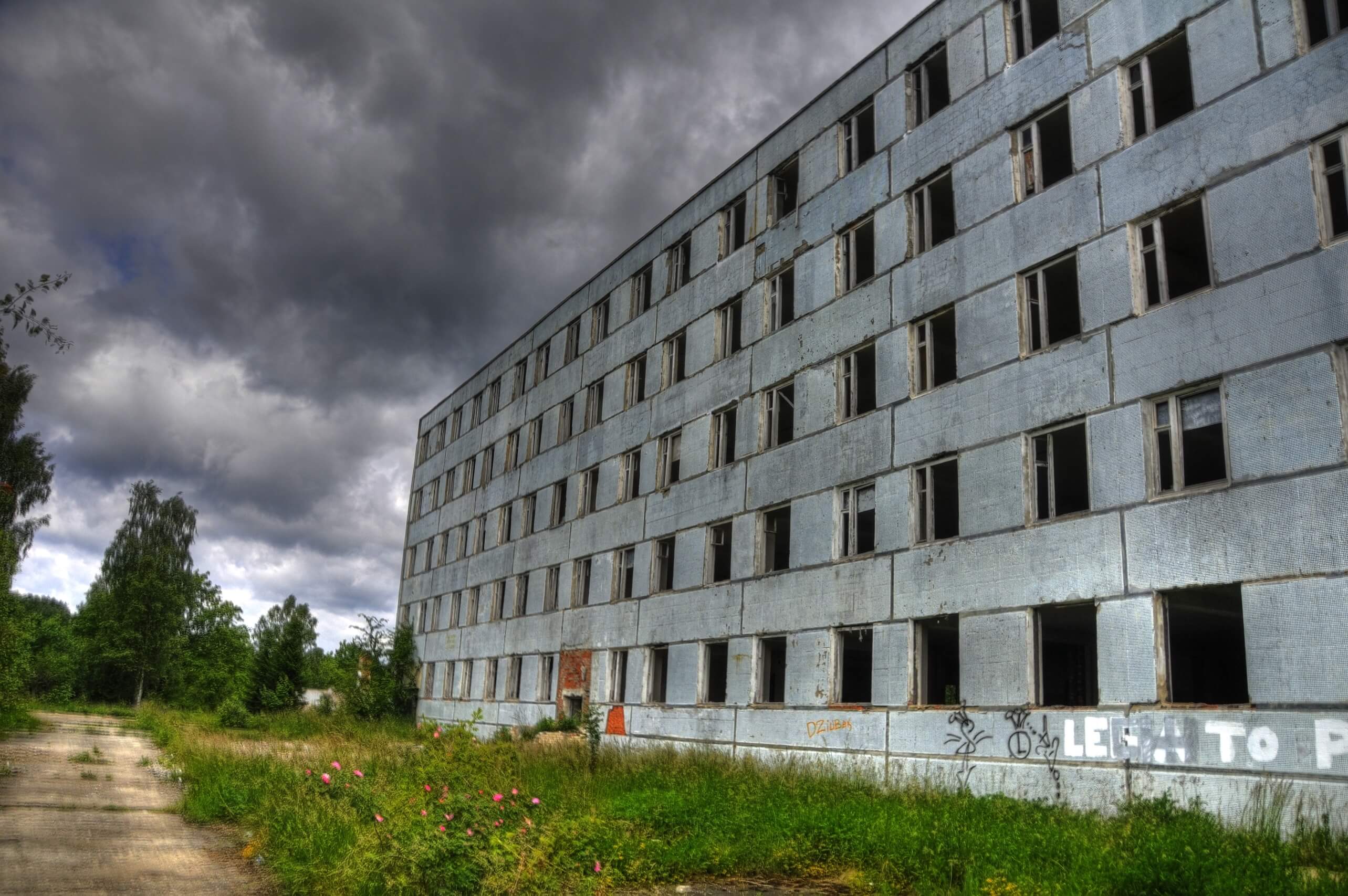
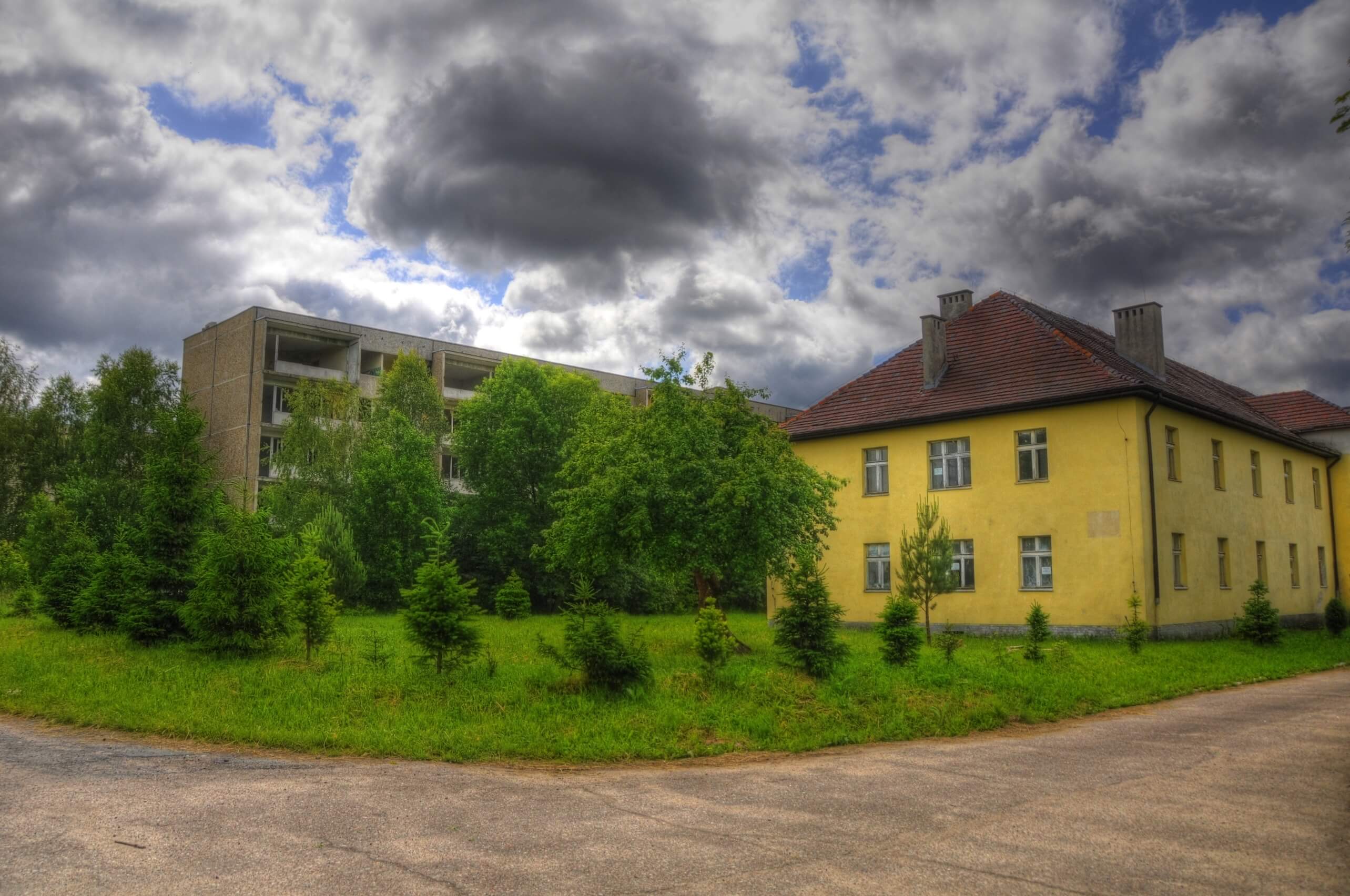

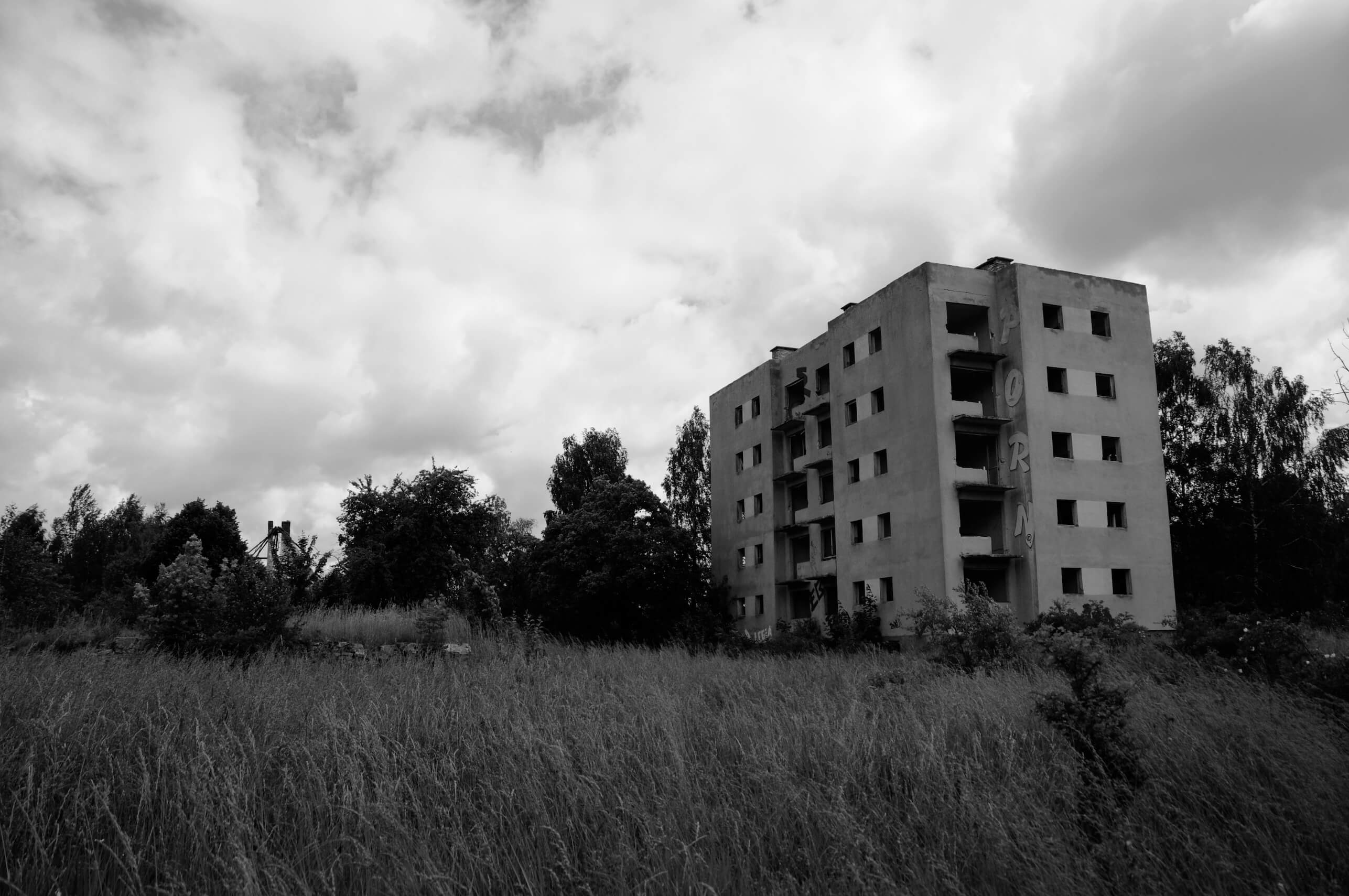
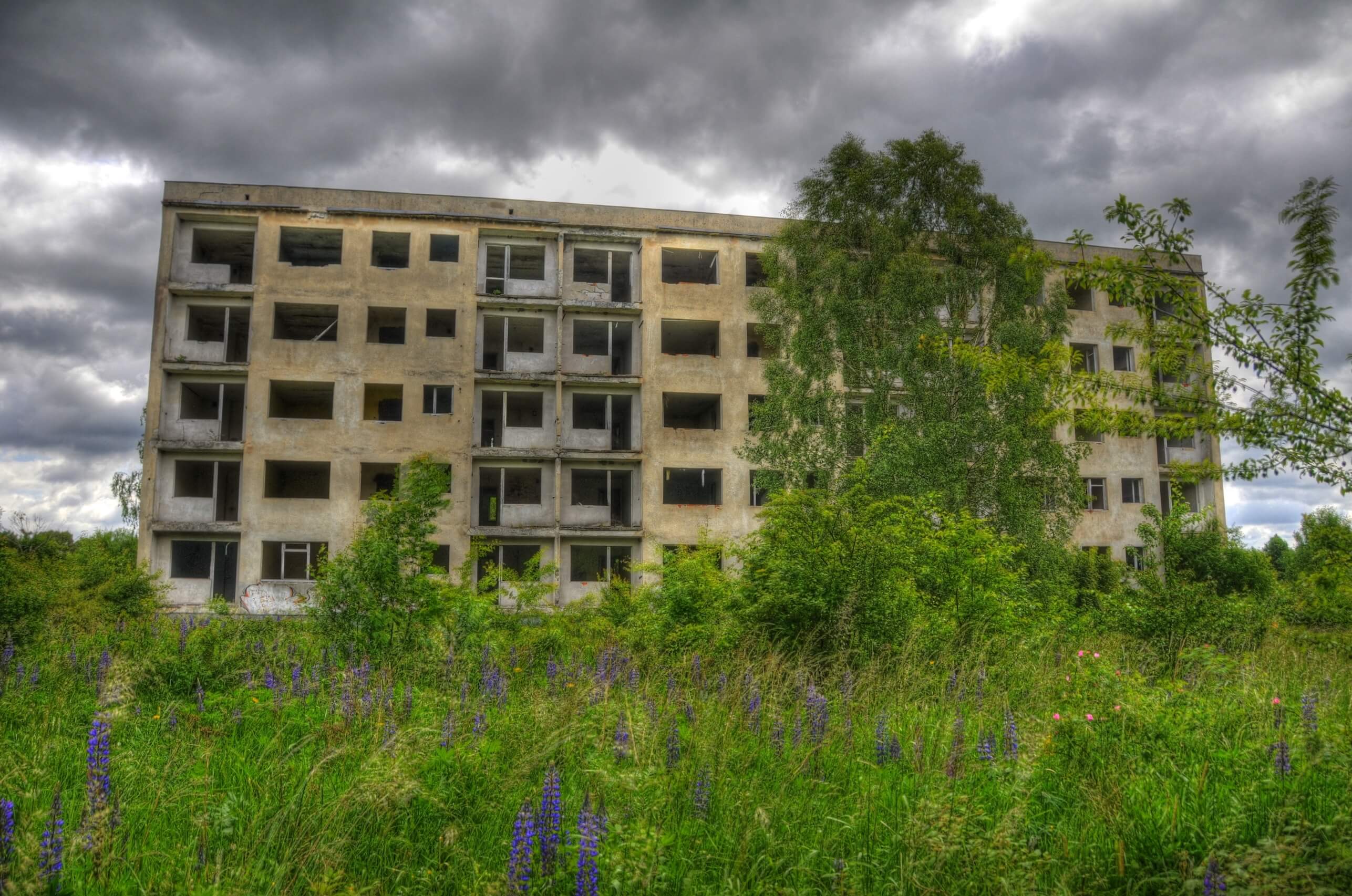
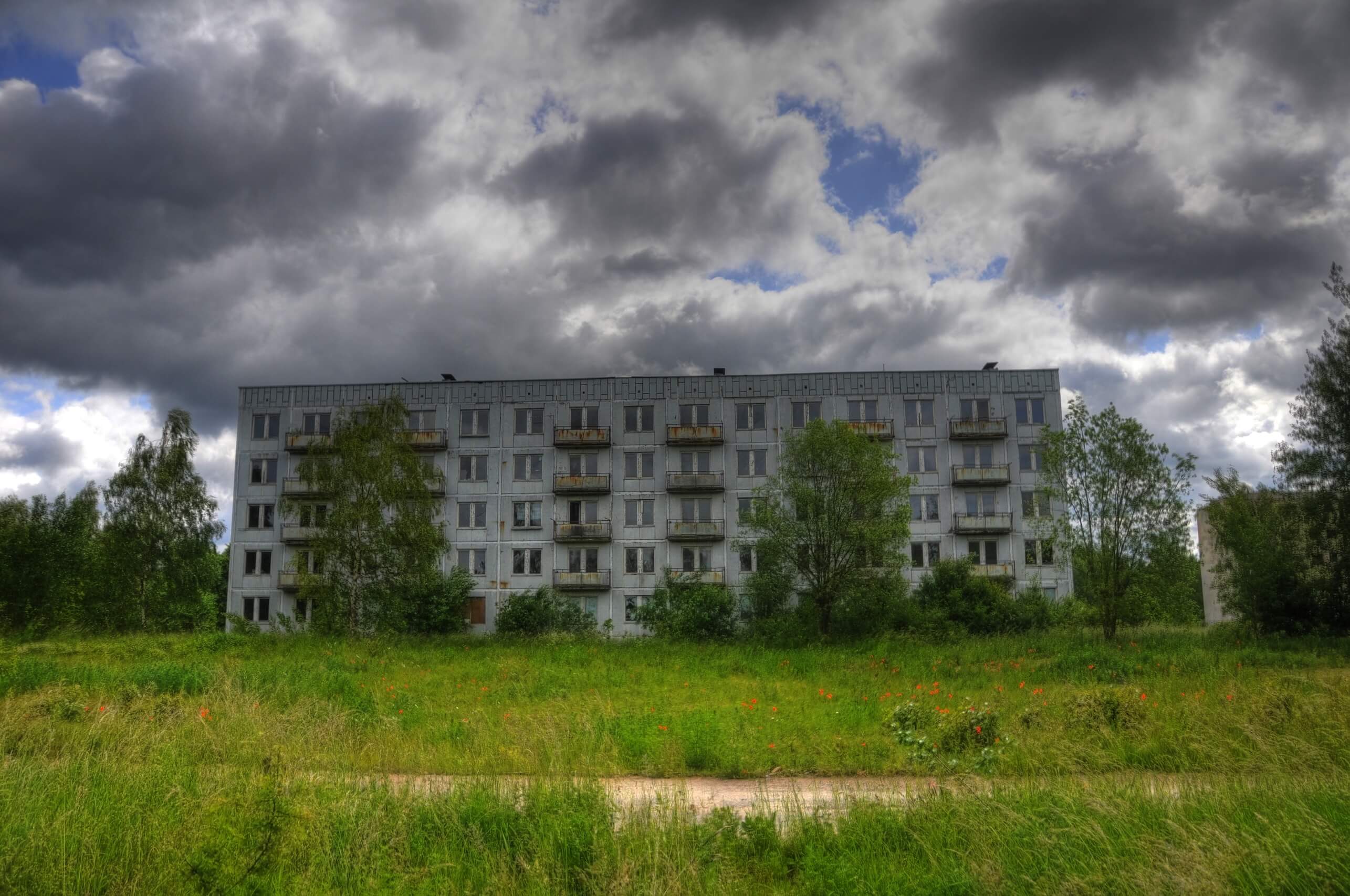
The town's history begins around 1935. At that time German troops were stationed there, units of the Labour Service. There was also a German camp. The prisoners were mainly Poles (over 6,000 of them), the French and Russians. In 1945, after the German troops withdrew with the end of the Second World War, the town passed into the hands of the Red Army. The Russians built new apartment blocks, garages and barracks here. Shops and a cinema appeared. The town buzzed with life and was home to about 5,000 inhabitants. Civilians were not allowed into the town.
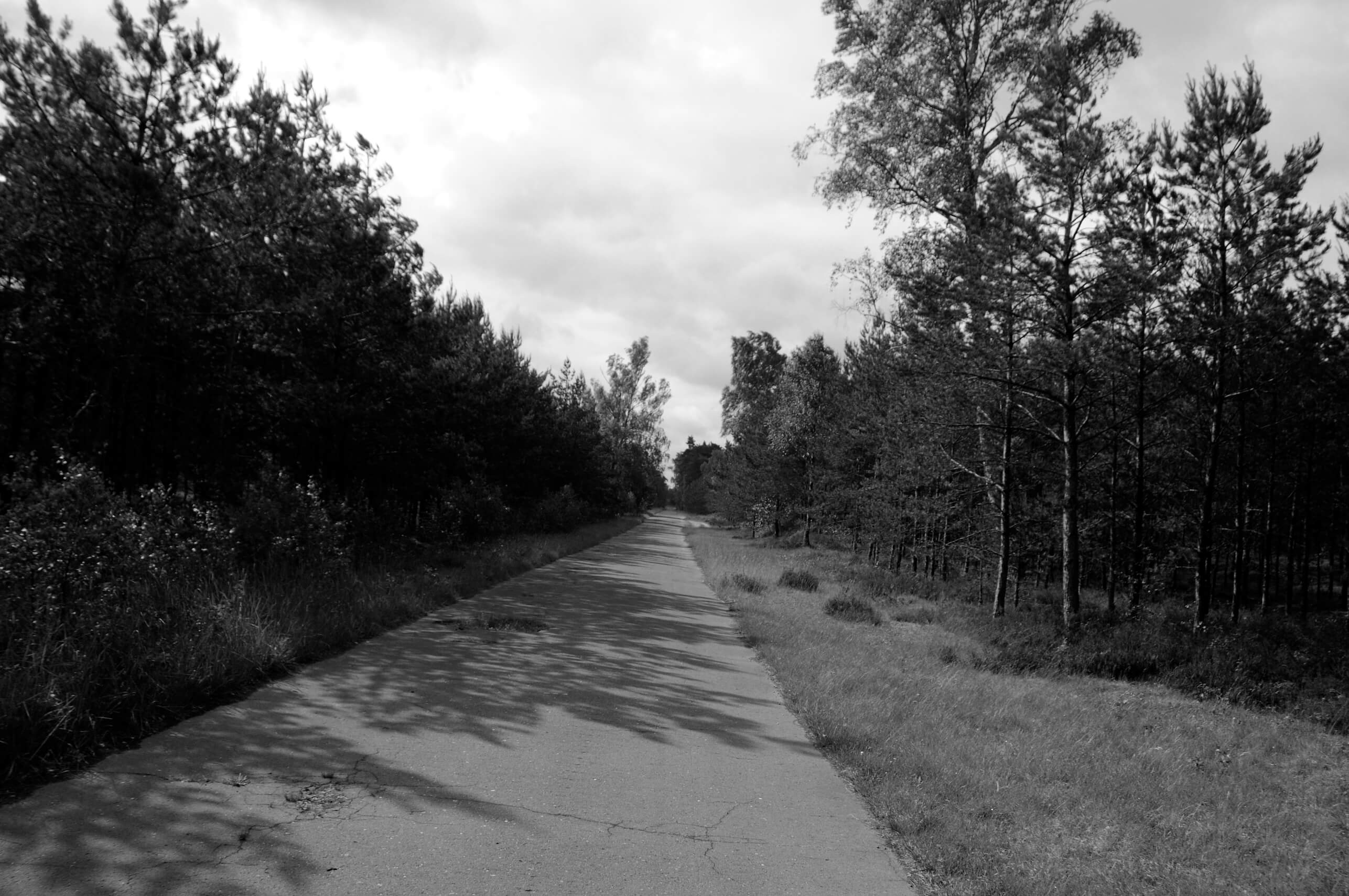
When planning a trip to the ghost town, you'd best arm yourself with an off-road vehicle (or one with fairly high ground clearance). Two roads lead to it: a shorter one — off-road, and a longer one — paved. I took the former, as it runs through the Kłomino Heaths — the largest heathland in Poland. Vehicle traffic is permitted on this route. In places you drive over very potholed asphalt, but for most of the way you'll travel along a muddy dirt road.
The second road is more civilised. Coming from the Borne Sulinowo side, head towards Nadarzyce, then turn onto the road leading to Sypniewo. Following the main road, you'll reach a fork. Turn left and follow a cobblestone path into the very heart of the forest. These roads are now signposted, so finding your way shouldn't be a problem.
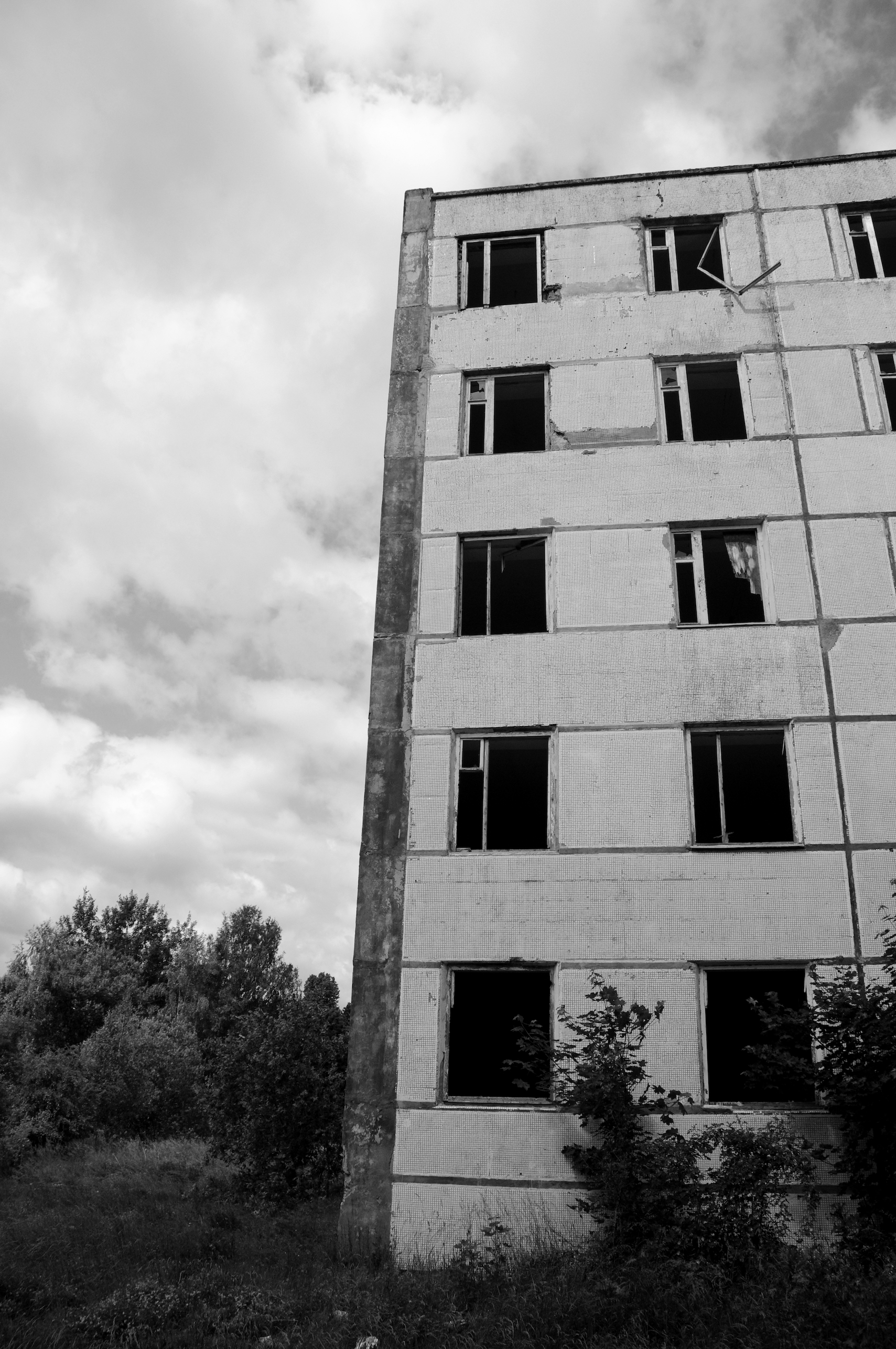
The town began to die out in 1992, when the last Soviet soldiers left it. In 1993, Gródek was incorporated into the Polish administration. It was never resettled and never received town rights. A process began that continues to this day: the demolition of the town.
Over 50 former German buildings were dismantled to serve as material for building the Palace of Culture in Warsaw. Everything of value was taken away or stolen. Window panes, bricks, cobblestones and manhole covers all disappear. Apartments were also demolished en masse for the needs of firefighters and rescue services, who practised saving people in the event of a building collapse.
Today the town is practically deserted. There are a few buildings here. Sometimes you can hear dogs barking. Nearby there is a forester's lodge, and on the other side of the town a private property where you can buy honey. In the town itself I met one homeless person, who had been evicted from Borne Sulinowo.
Many have laboured over the town's future. There were plans to sell it for 2,000,000 złotys. Today the town can be bought for a single złoty. People tried to turn it into a town for Harley riders, or for pensioners, but all such plans fell apart once the talks turned to costs. A few private individuals bought the buildings that still stand today, hoping the town would develop. Today, in the windows of such buildings, you can see little notes reading "For sale" or "Premises under surveillance".
Despite the great emptiness, despair and rubble, hundreds of tourists pass through the town. I think it's worth going there while the last buildings are still standing. Several of them are already prepared for the next demolition. Perhaps they will vanish in a few months and Kłomino will exist only on old maps.
View related articles
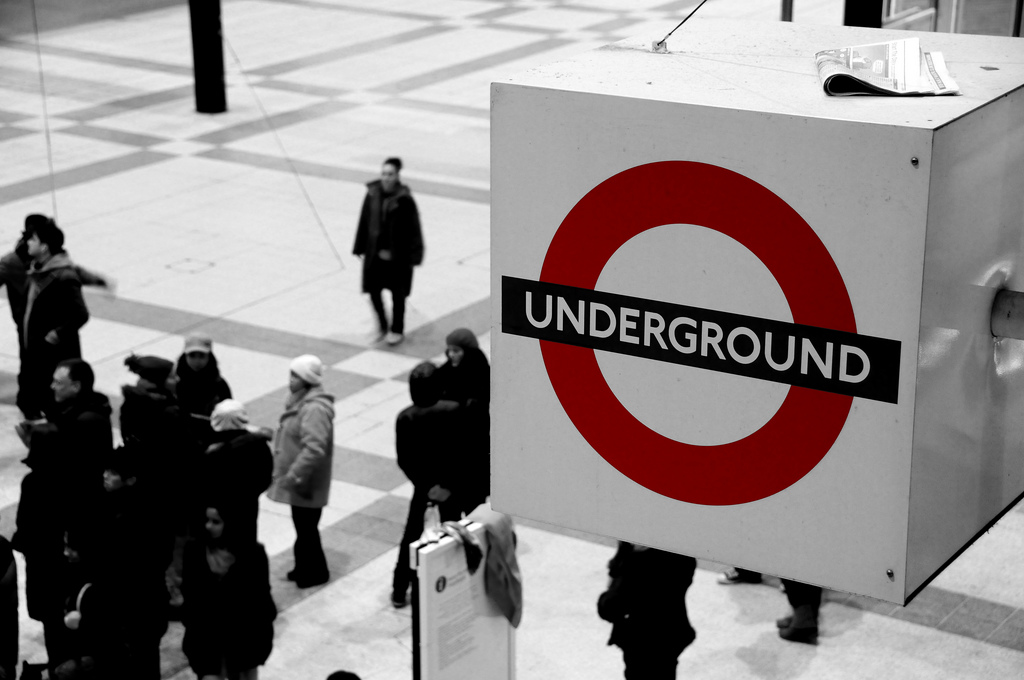
Lundon! There's Lądek, Lądek Zdrój, yes…
One day, sitting quietly at my computer, I met Kaja. A strange chain of events led me to decide to visit her in Seville, Spain. I planned my trip so as to see London along the way — the city that has become a paradise of riches for Poles.
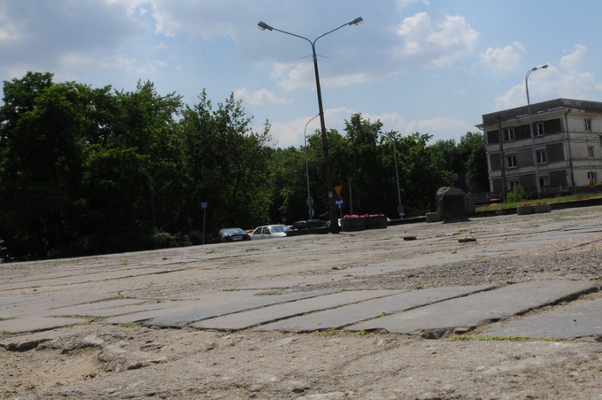
The Old Market Square in Łódź
As tends to happen at the end of the year, a little grumbling is in order. That Łódź is a different city from all the rest, I probably no longer need to prove to anyone. Sitting in front of my computer, I realised yet another fact that sets this place apart. We have no Old Market Square!
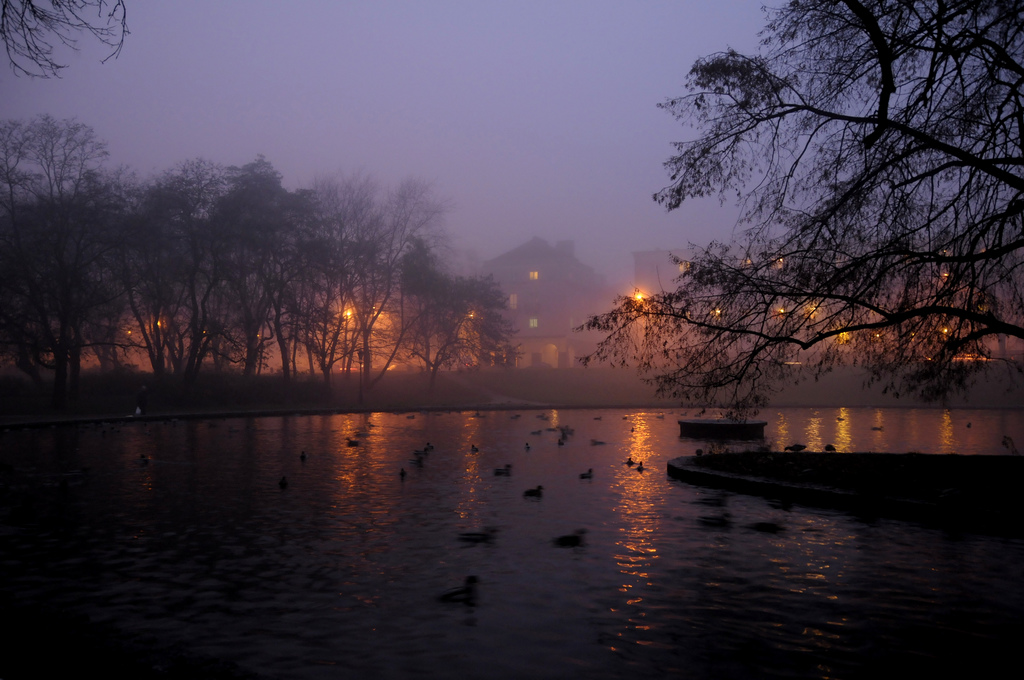
Foggy Wanderings Around Łódź
Some time ago I went on night-time wanderings around Łódź. The city seemed to me empty, sad and gloomy then. On a certain foggy evening I wanted to set out again and capture the beauty that Łódź hides somewhere within itself.