Kornati National Park
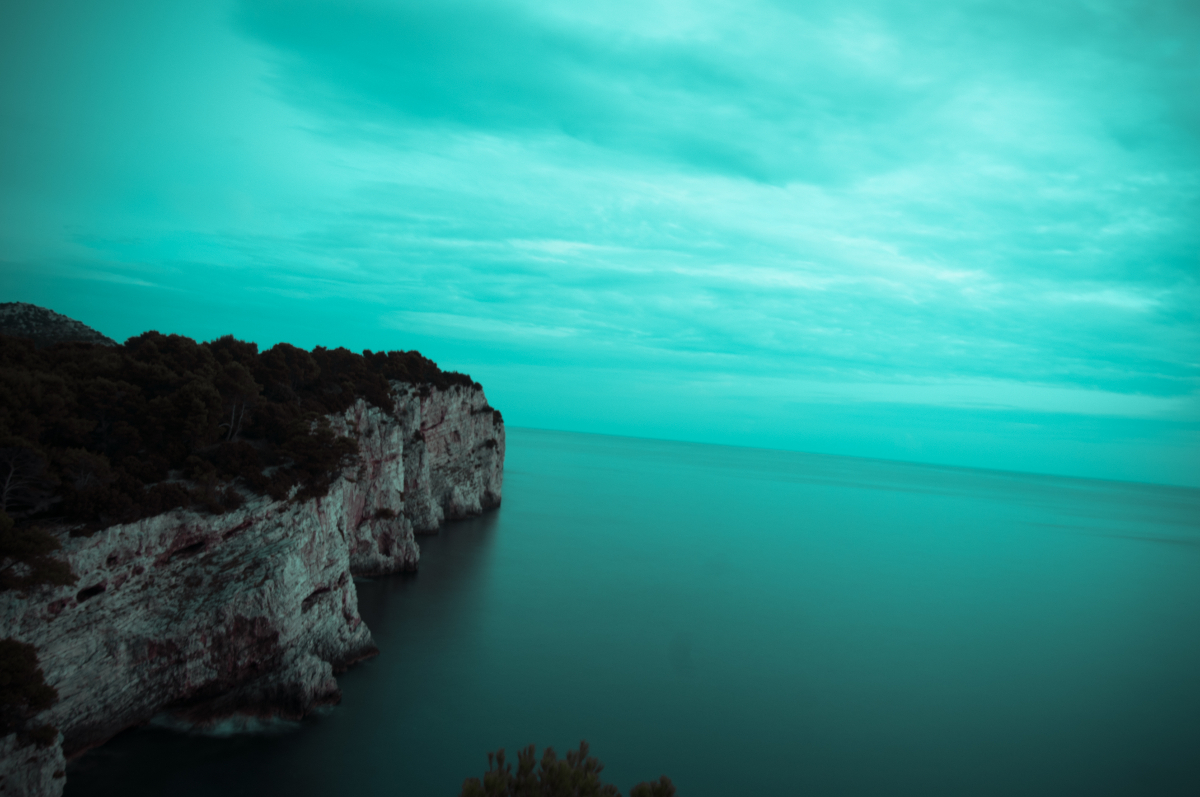
After Krka National Park came Kornati Park. This archipelago consists of about 147 islands, and its name comes from its largest island, Kornat, called Kurnat by the locals (hence also Kurnati).

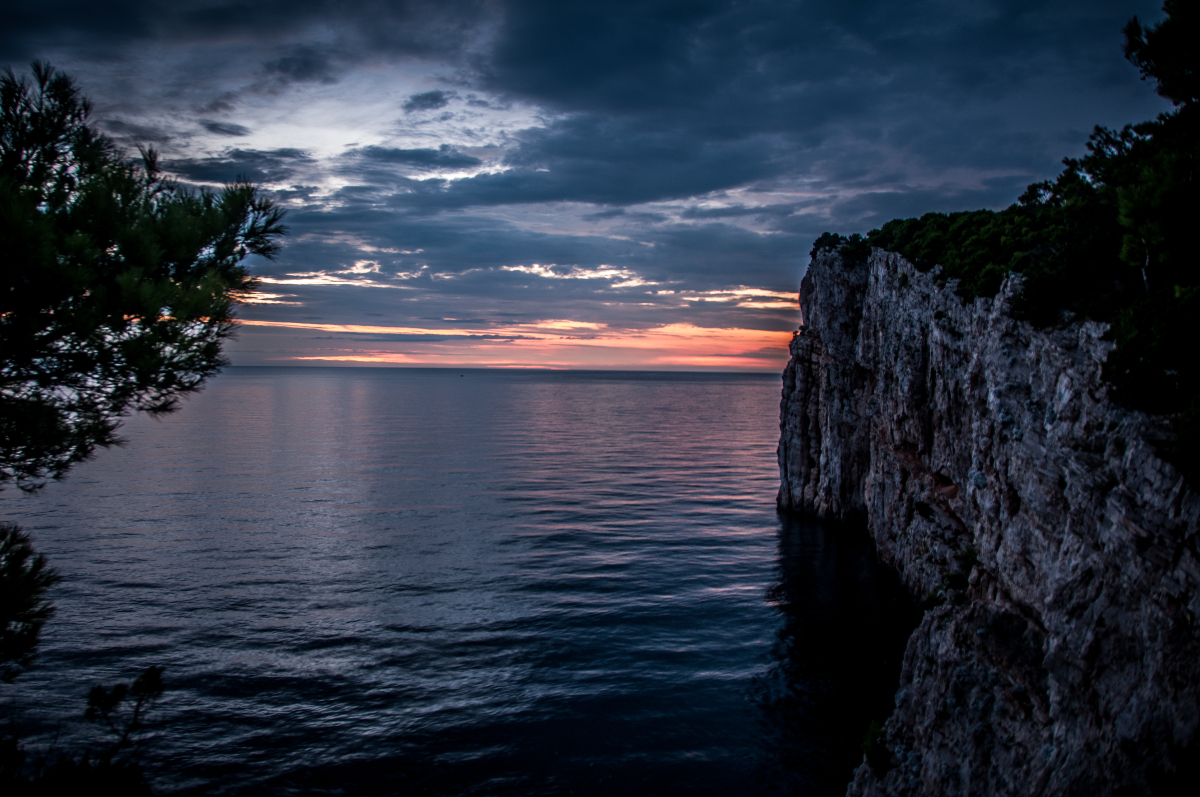
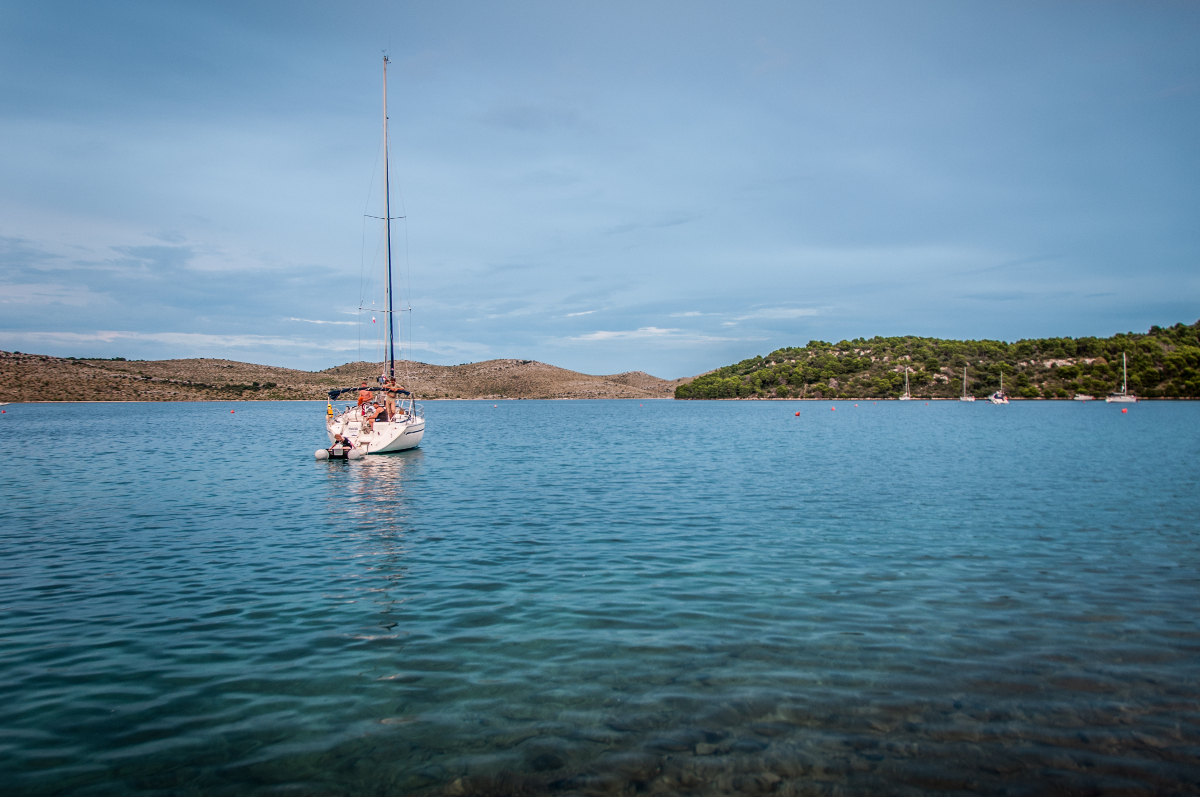
The park covers an area of about 320 m2 and consists of limestone islands and islets. They have no springs or watercourses, so the vegetation on them is very sparse. When sailing in the area by yacht, you have to watch out for rocky reefs and shallows.
The islands are uninhabited; the only ones who come to them are lovers of diving, sailing and pristine seaside nature, and of quiet and sun. There are no sources of fresh water here, only rainwater that sometimes collects in caves and rock hollows.
The waters within the park are very clean and you can watch the underwater world from the deck of the yacht. Here we can come across octopuses, squid, cuttlefish and spiny lobsters. There are also many kinds of sponges, arthropods and cnidarians. Dolphins appear too, among the huge number of fish.
View related articles
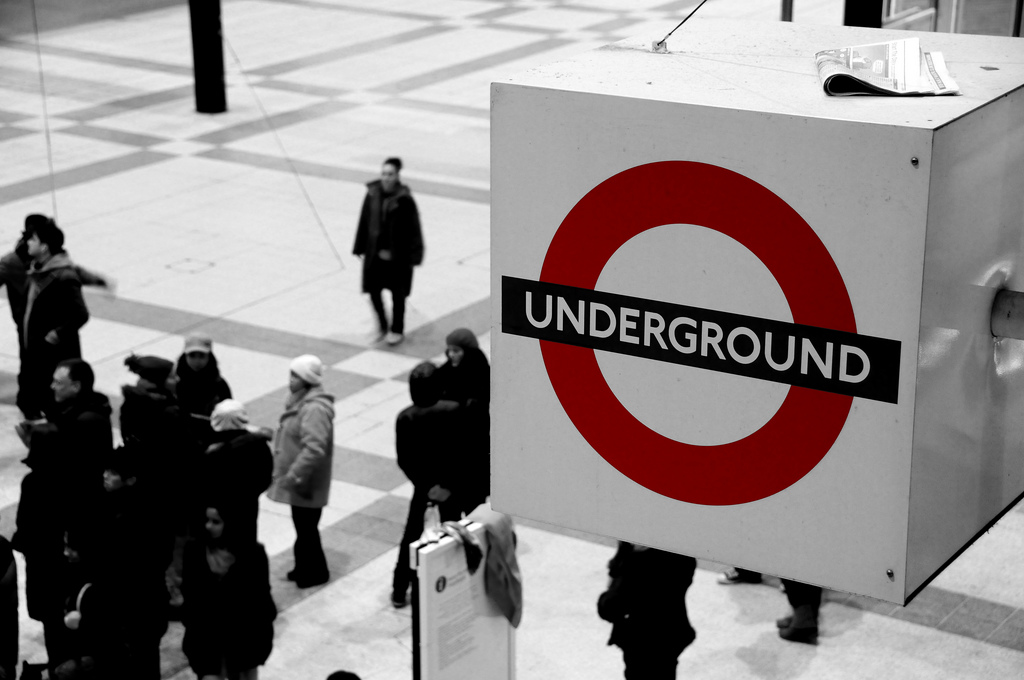
Lundon! There's Lądek, Lądek Zdrój, yes…
One day, sitting quietly at my computer, I met Kaja. A strange chain of events led me to decide to visit her in Seville, Spain. I planned my trip so as to see London along the way — the city that has become a paradise of riches for Poles.
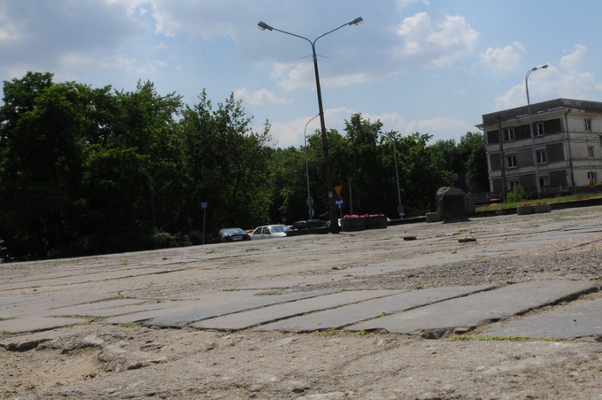
The Old Market Square in Łódź
As tends to happen at the end of the year, a little grumbling is in order. That Łódź is a different city from all the rest, I probably no longer need to prove to anyone. Sitting in front of my computer, I realised yet another fact that sets this place apart. We have no Old Market Square!
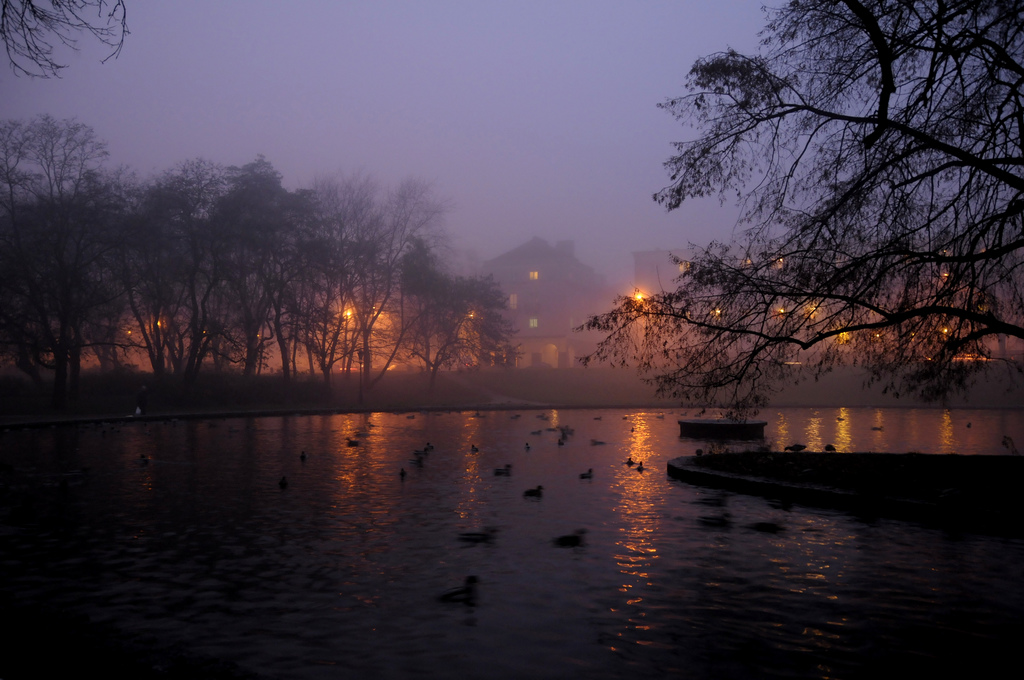
Foggy Wanderings Around Łódź
Some time ago I went on night-time wanderings around Łódź. The city seemed to me empty, sad and gloomy then. On a certain foggy evening I wanted to set out again and capture the beauty that Łódź hides somewhere within itself.