Norway in a Nutshell
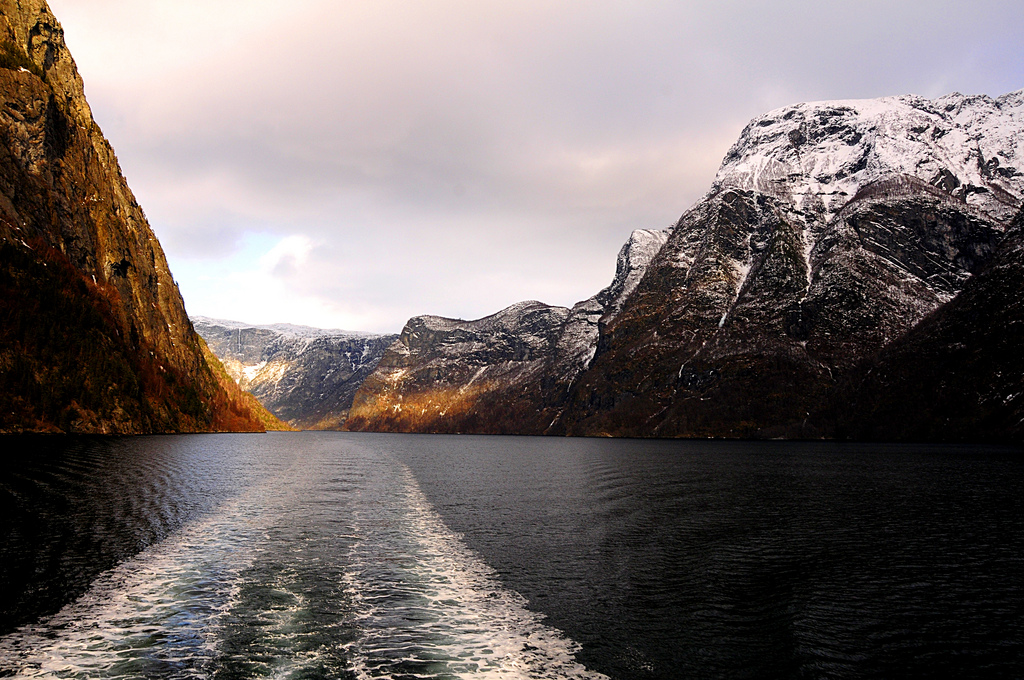
One of the more interesting ways to see Norway is a trip called Norway in a Nutshell. For fairly little money (by Norwegian standards), you can tour the Sognefjord. It is the second longest fjord in the world and at the same time the longest fjord in Norway. It begins about 72 km north of Bergen and stretches 203 km inland, all the way to the village of Skjolden.
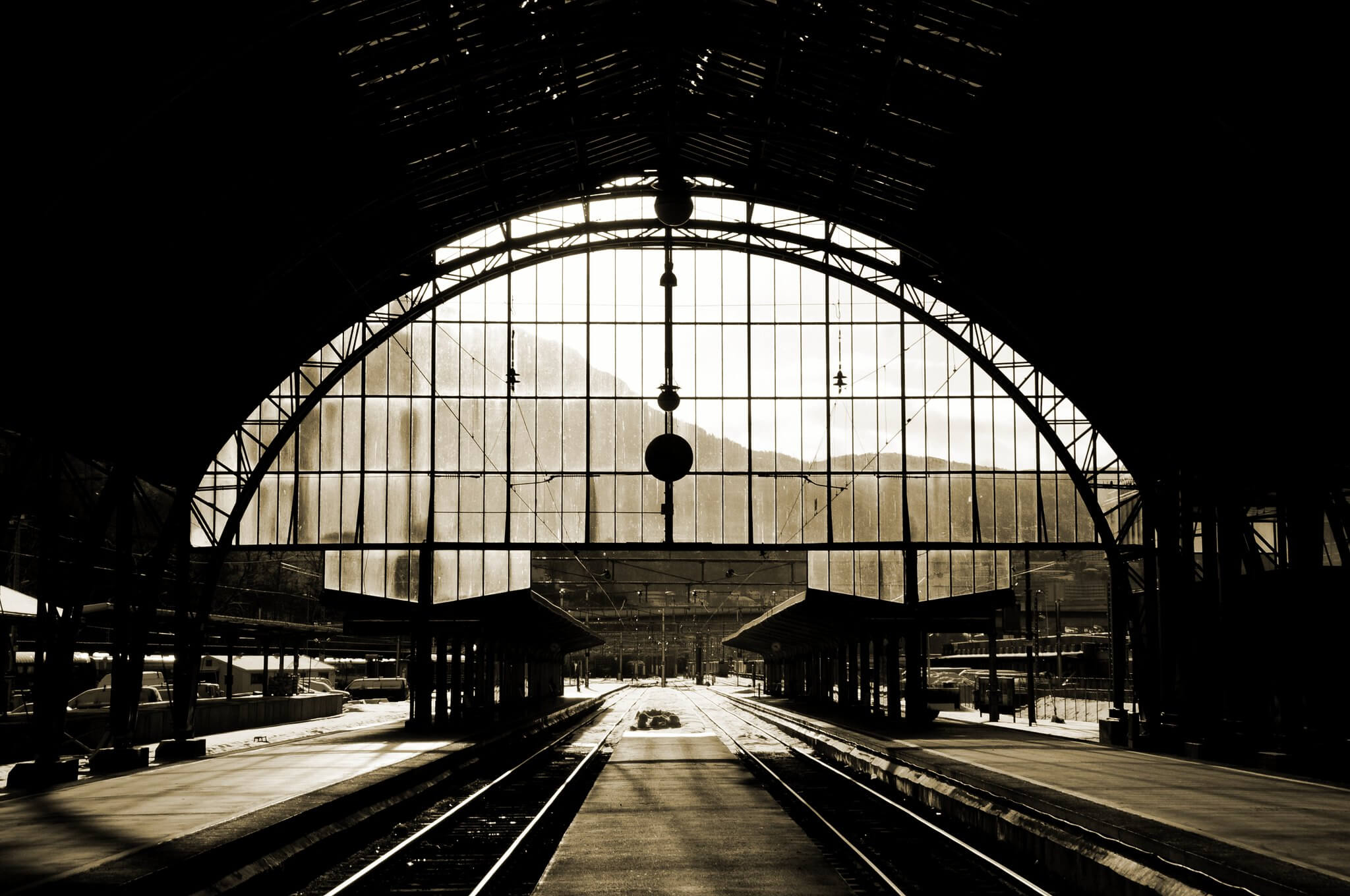
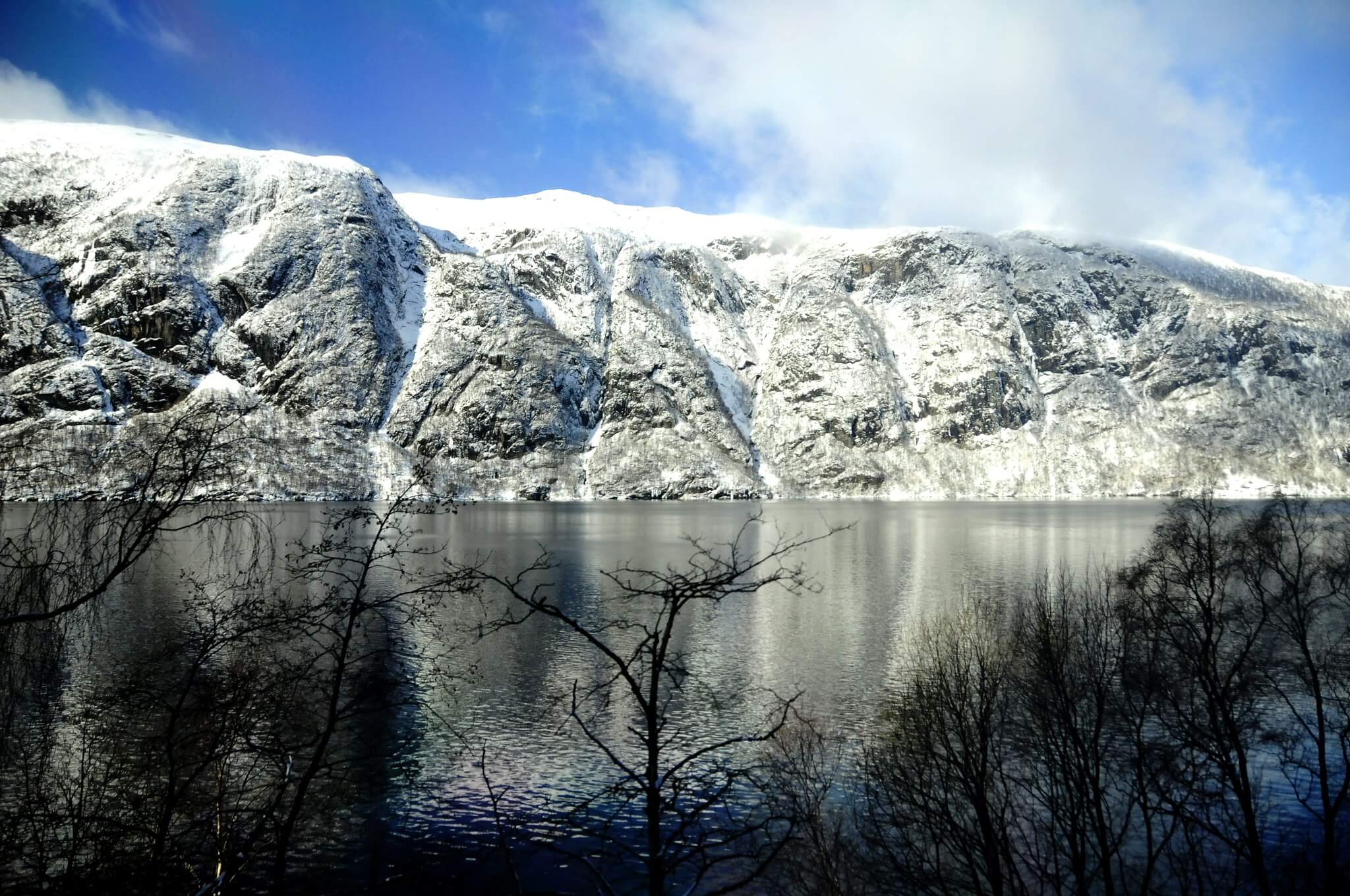
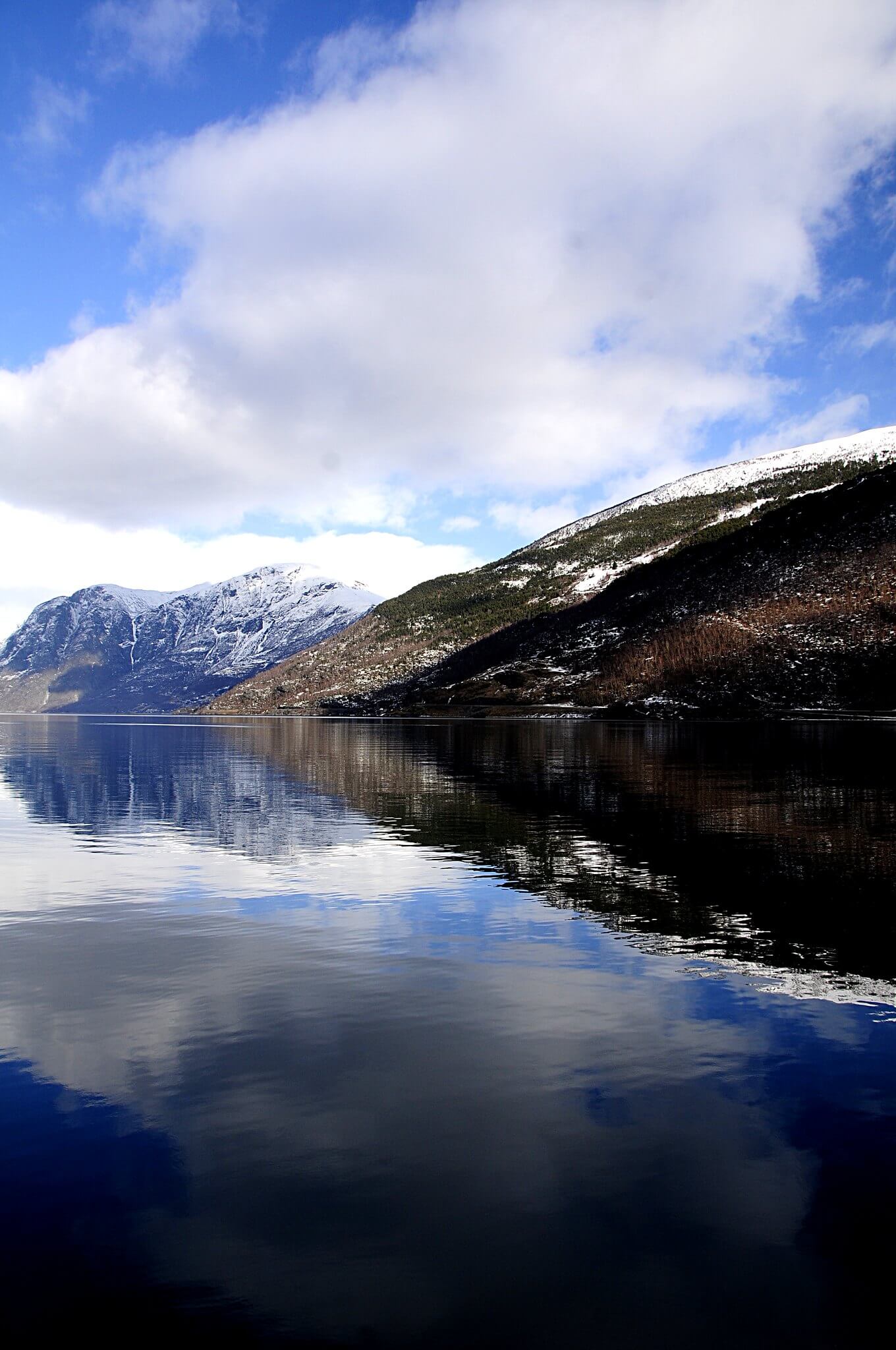
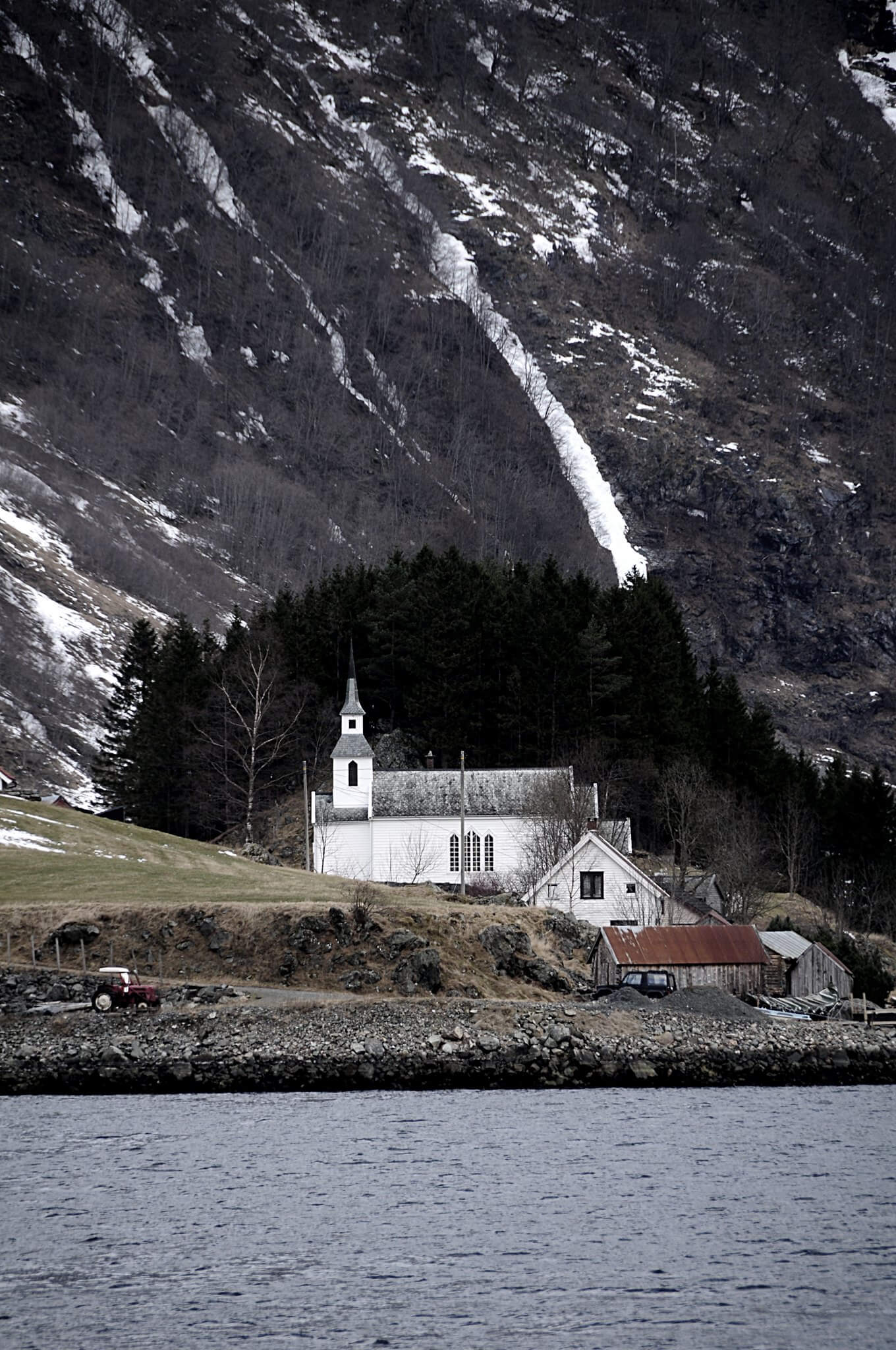
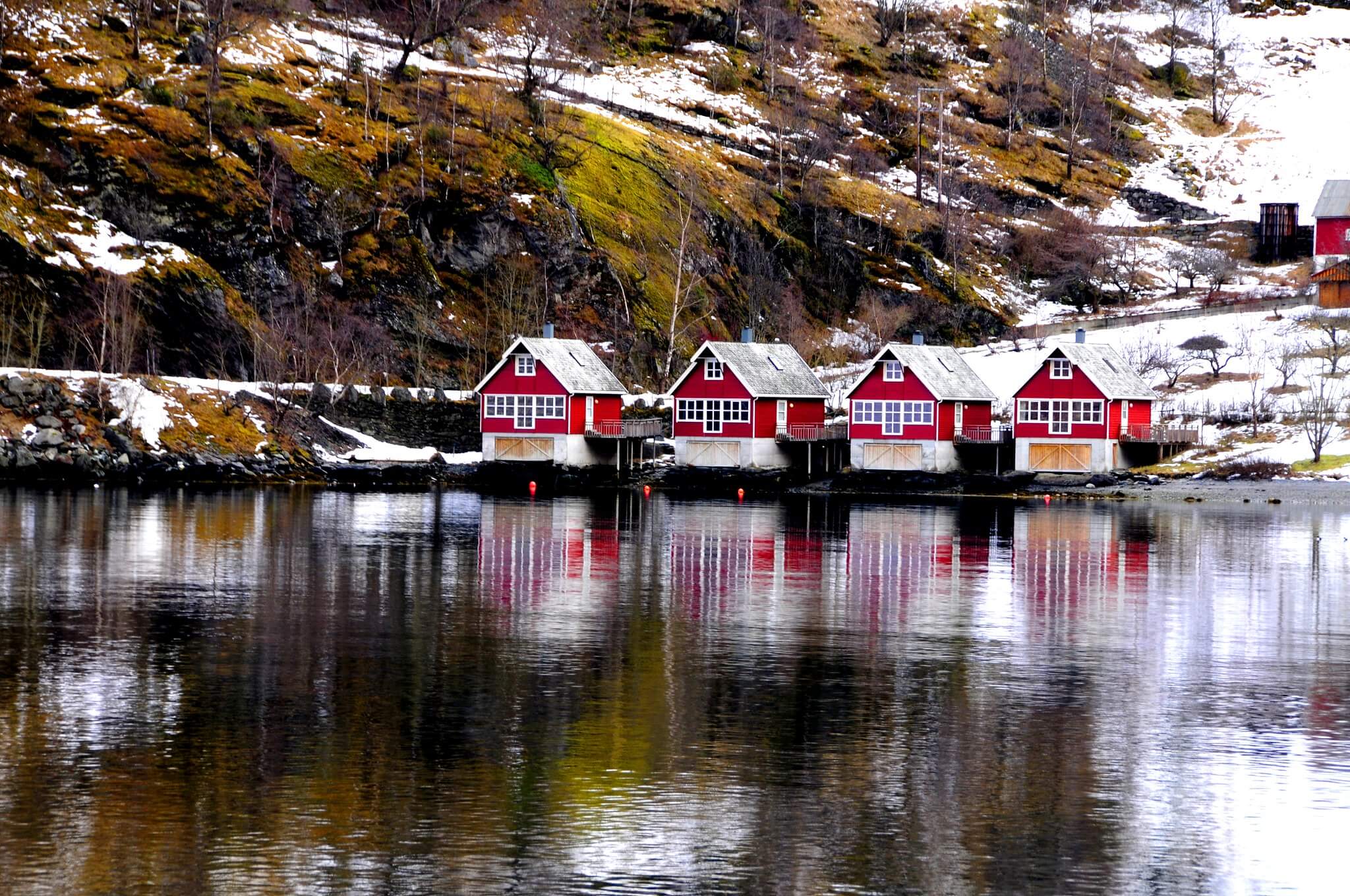
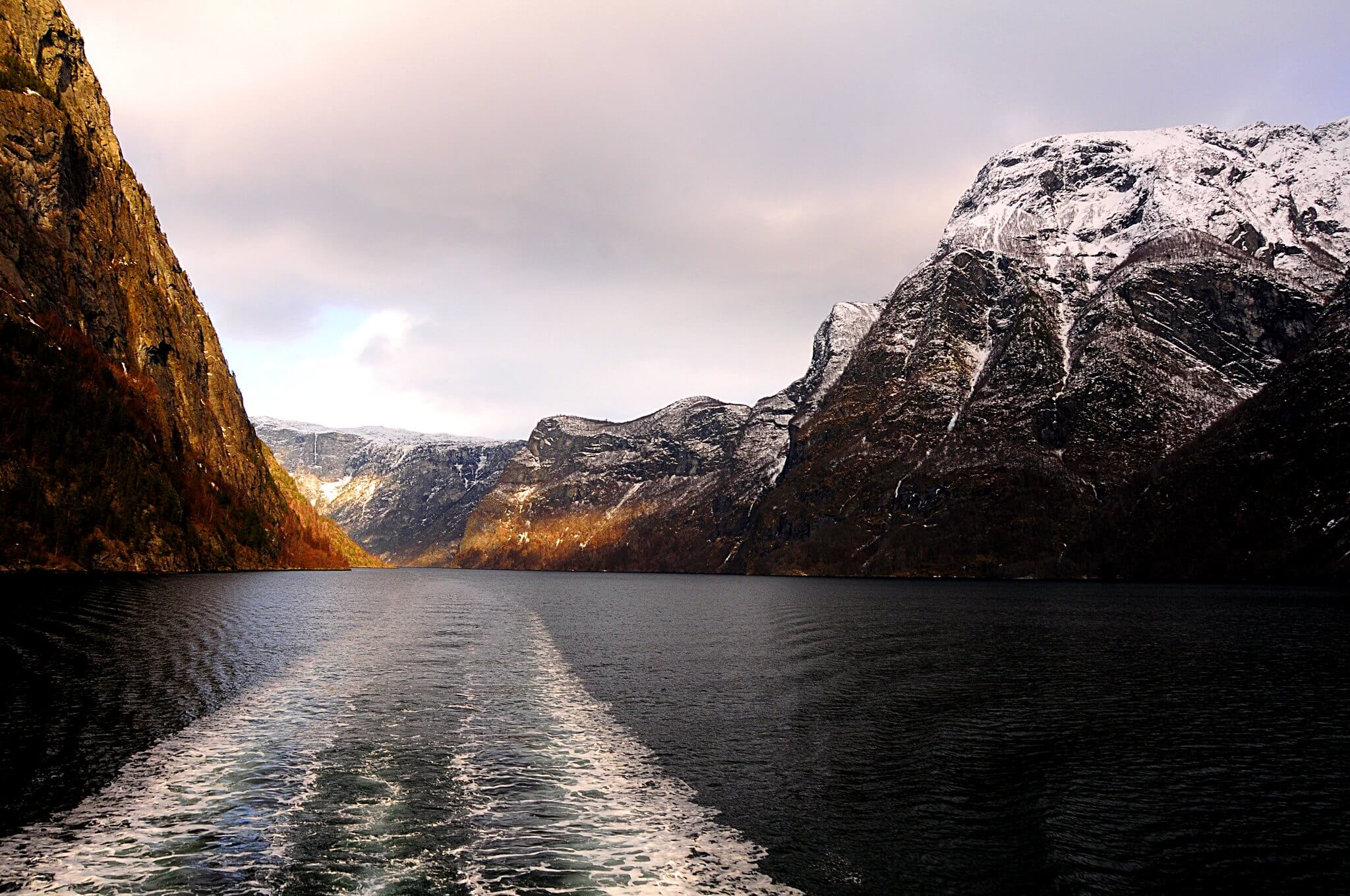
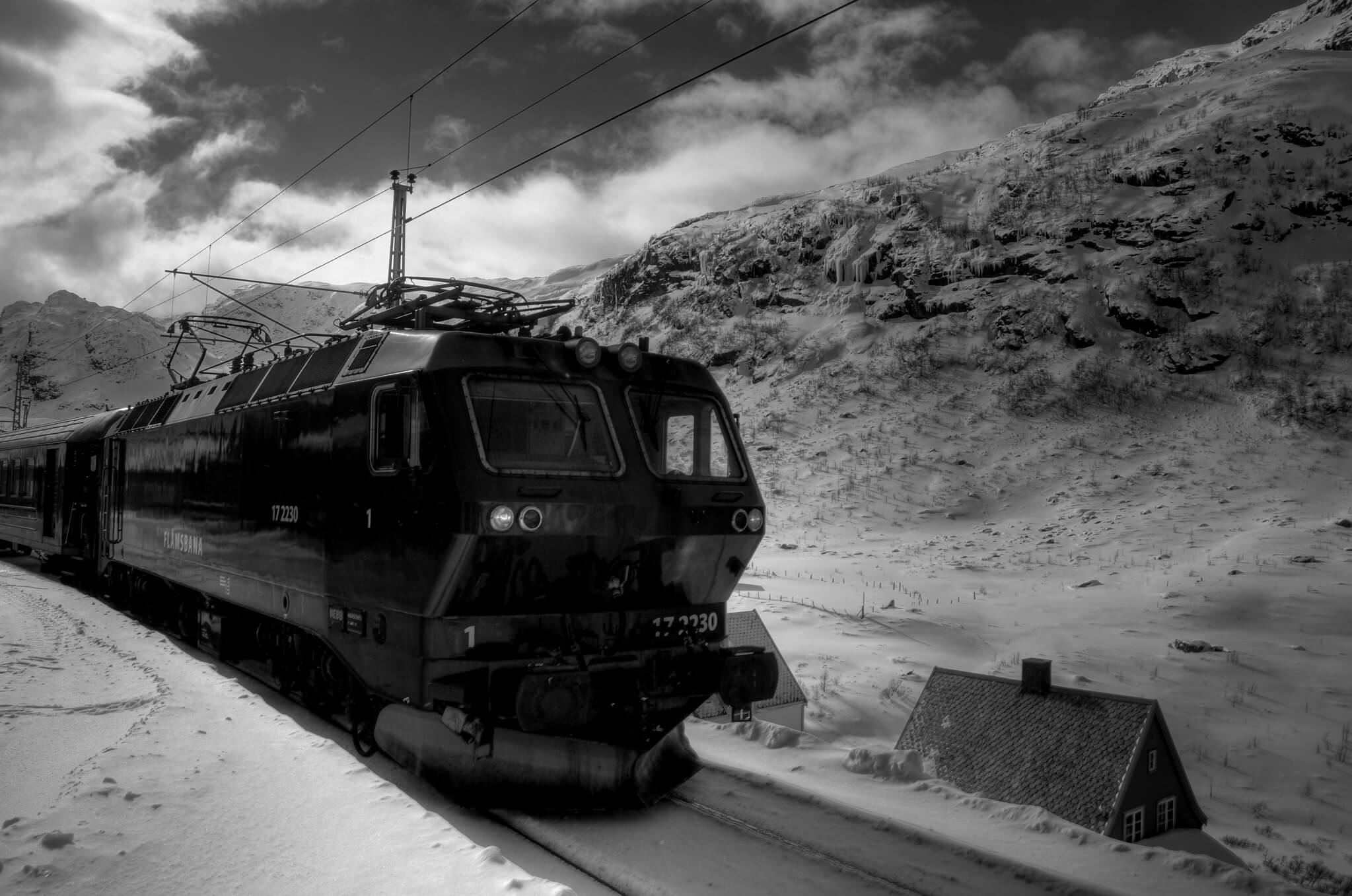
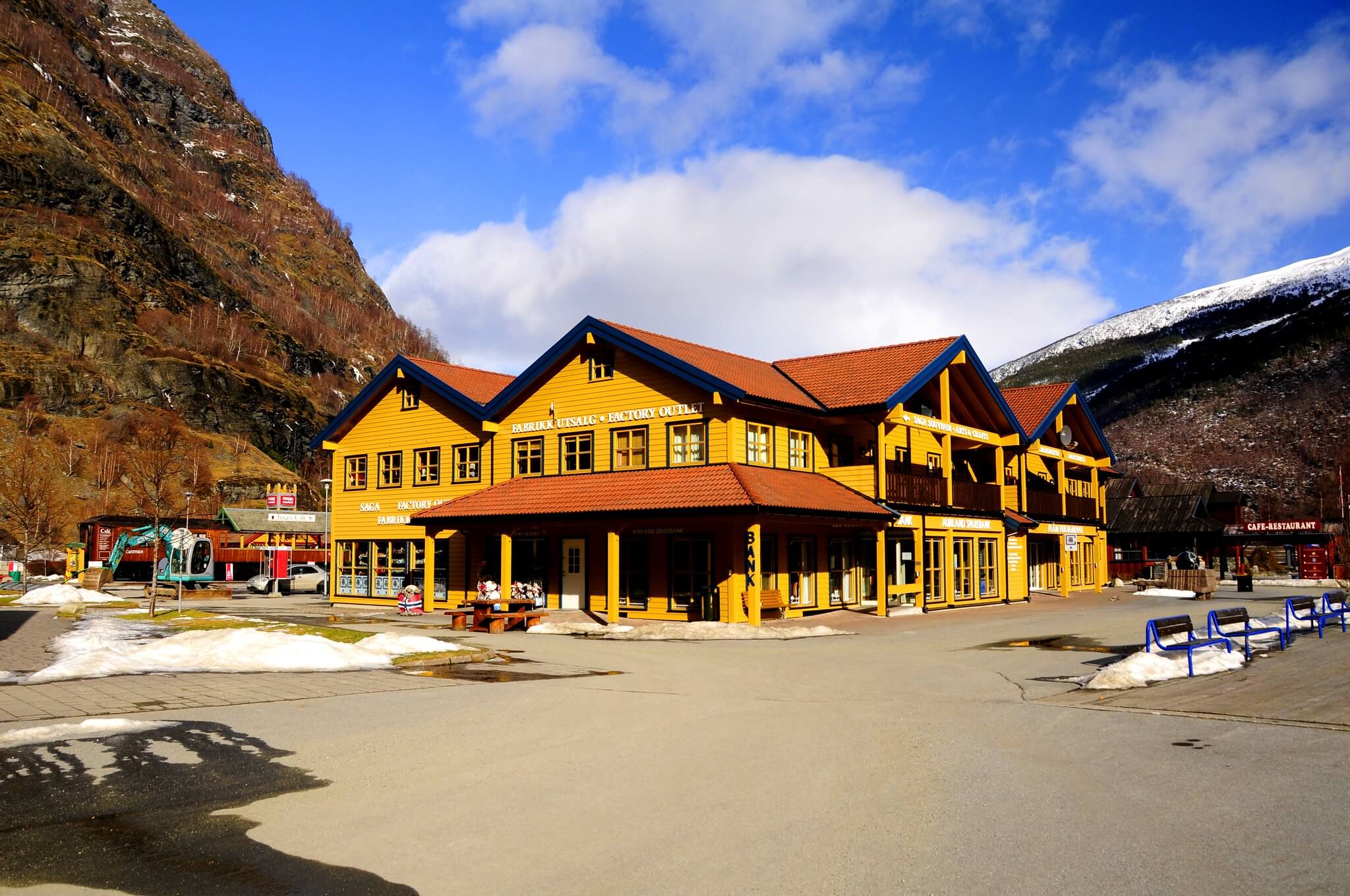

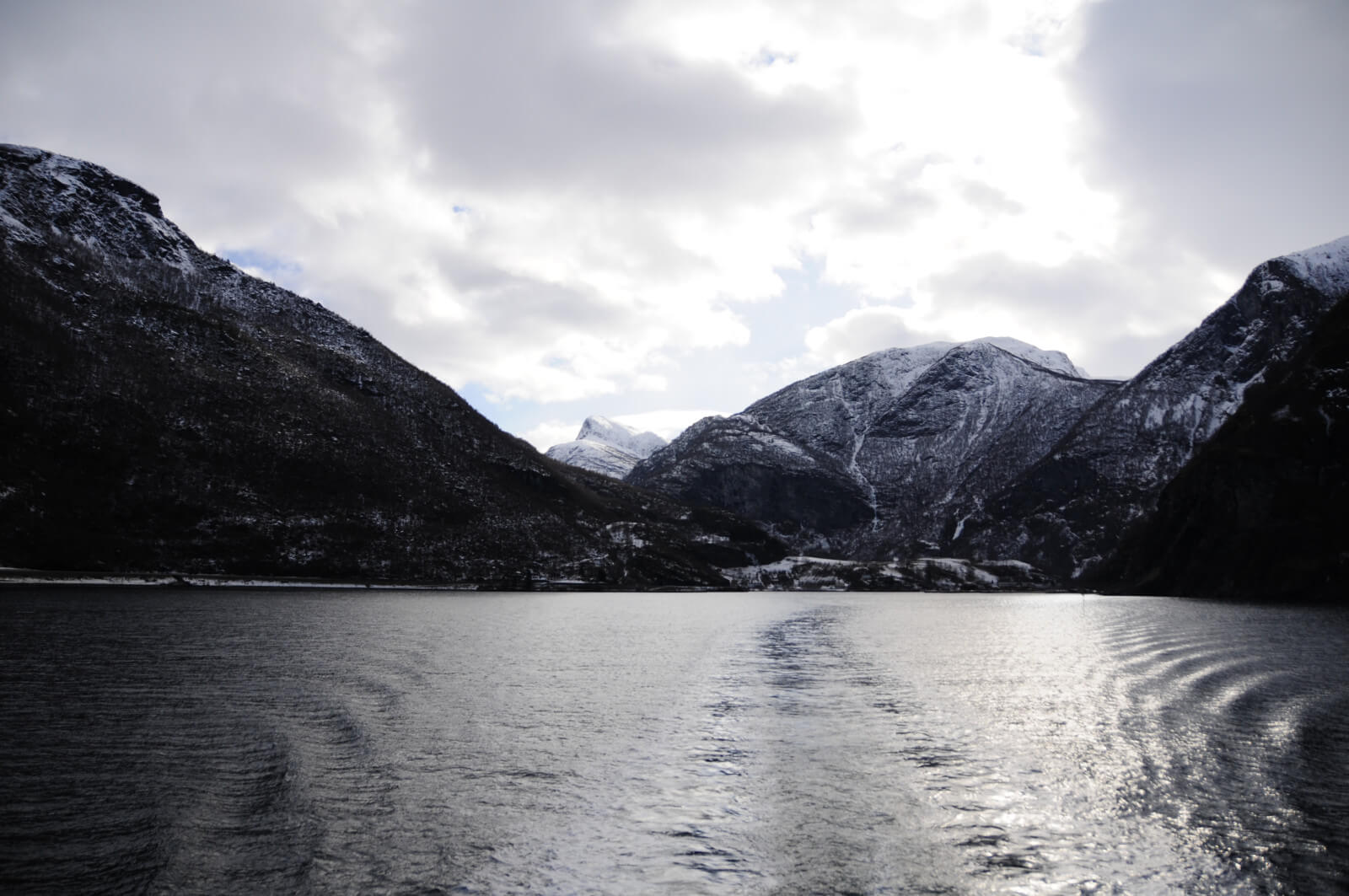
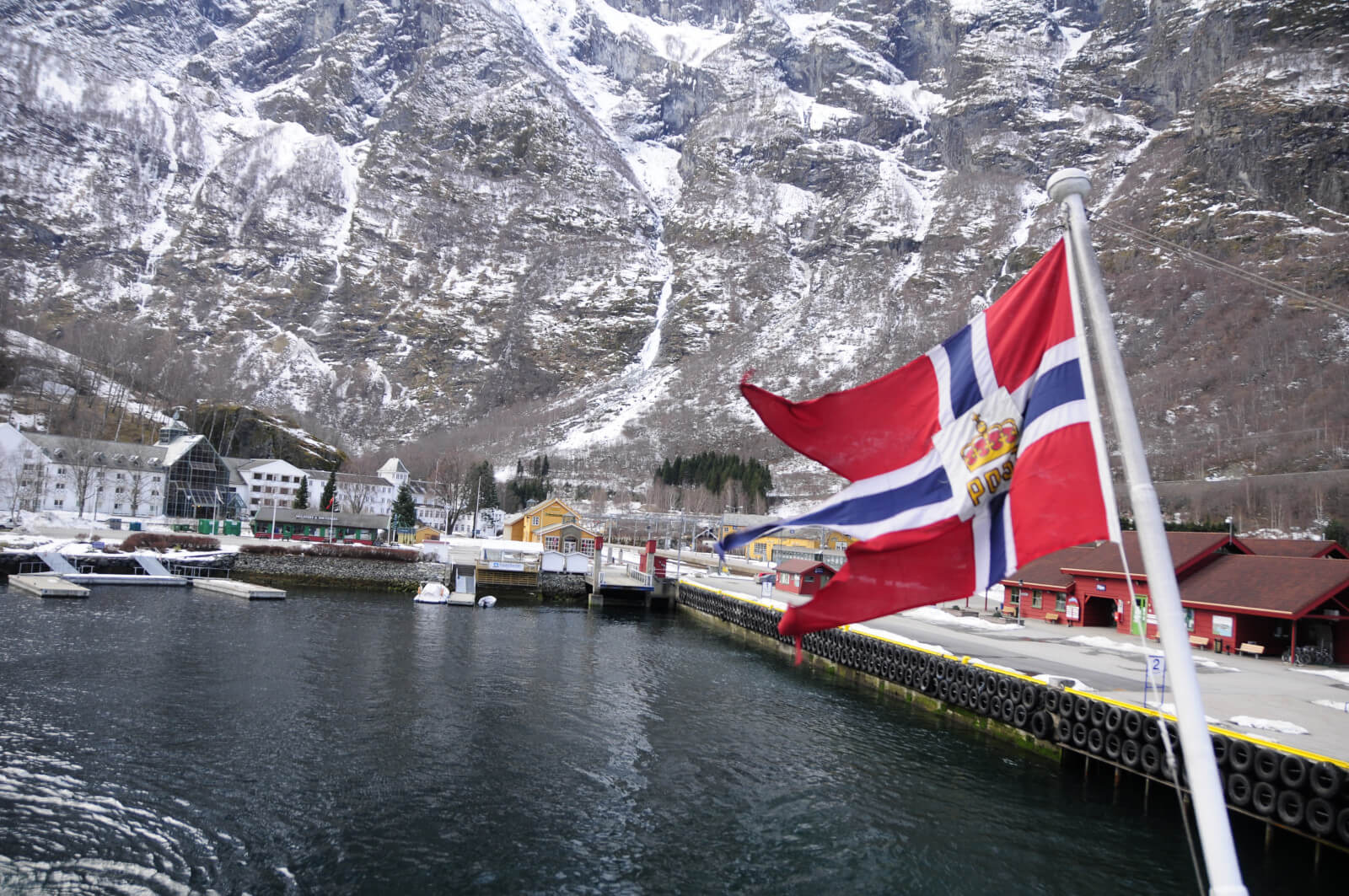
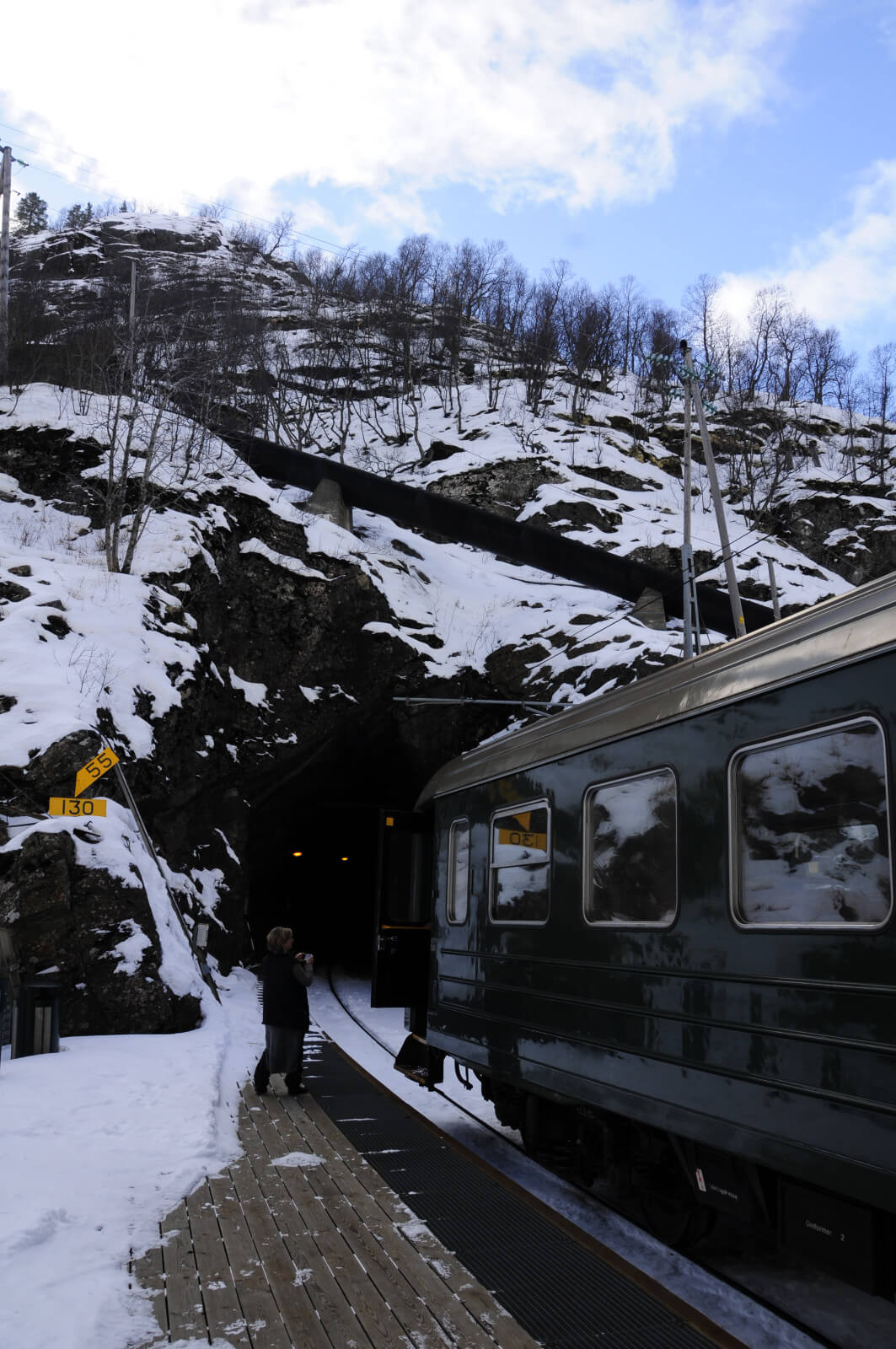
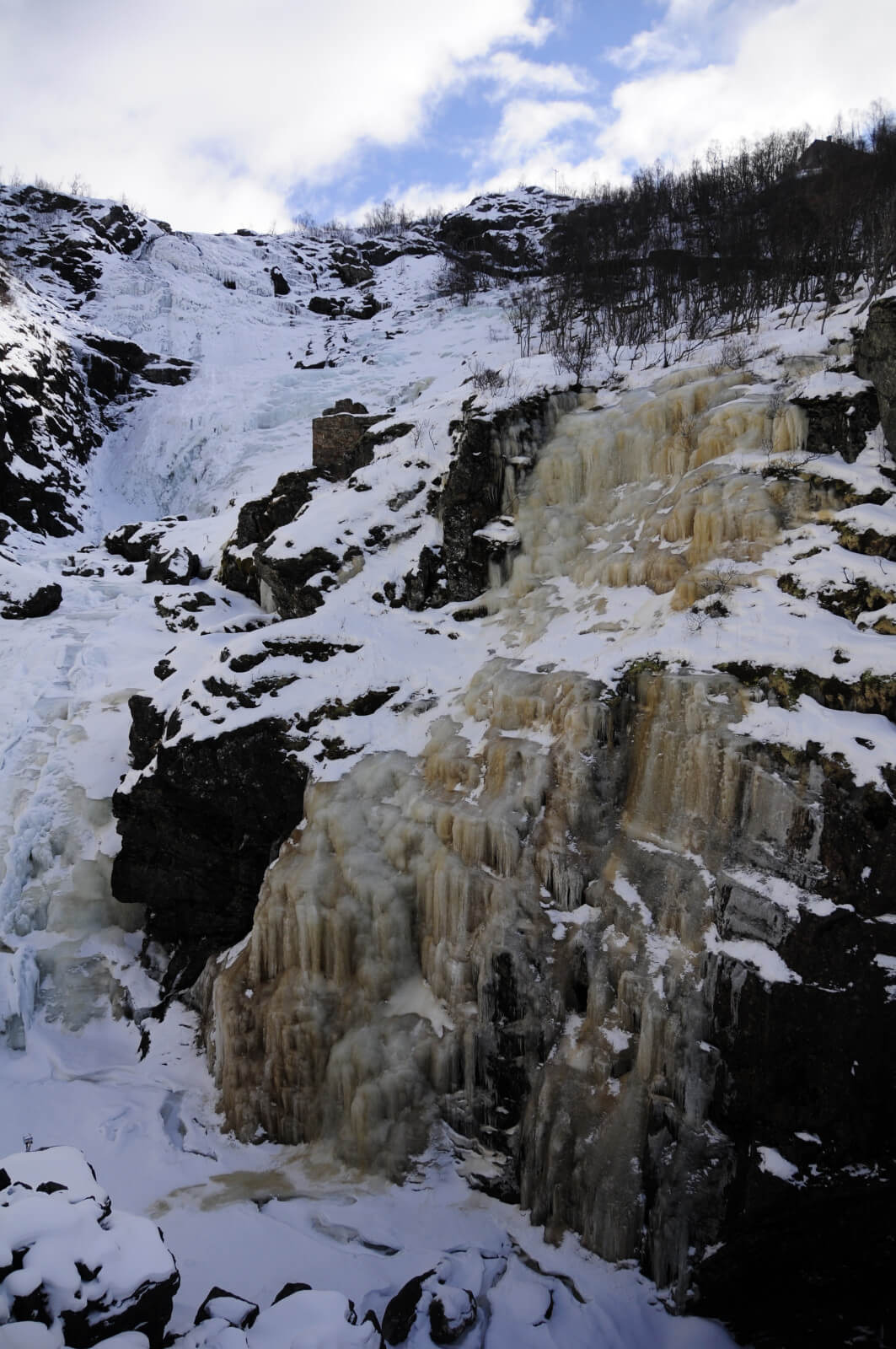


We'll make our journey by a fast train, by an old train running through tunnels carved into the mountains, by a ferry sailing across the fjord, and by a bus along the mountain routes. And all of this in one amazing day!
The route
The route consists of several stages, covered by various means of transport. A few changes await us. Luckily everything is well signposted, so we won't get lost switching from train to bus or ferry.
- Train from Bergen to Myrdal: 2 hours
- Railway from the station in Myrdal to Flåm: 1 hour
- Ferry from Flåm to Gudvangen: 2 hours
- Bus from Gudvangen to Voss: 1 hour
- Return train from Voss to Bergen: 1 hour
There's no need to worry about missing the next train or bus. Everything is well synchronised.
Bergen – Myrdal
The journey began in Bergen. The first step was to buy the Norway in a Nutshell tickets. You can simply ask for them at the NSB station in Bergen. You'll have no trouble communicating in English. After that, all that's left is to wait for the train heading to Myrdal.
The journey takes about 2 hours. On the ticket you have the carriage number and the seat you've bought marked. If there are few people in the carriage, I recommend sitting on the left side of the compartment, because picturesque views will stretch out beyond the window. The train route runs along the Osterfjorden.
On the way to Myrdal we pass towns such as Dale and Voss. We go through various tunnels, and many times our route crosses public roads. The towns where the train stops are mostly very small.
Myrdal – Flåm
The first stage of the journey ends in Myrdal. The railway station is situated at an altitude of 867 metres above sea level. There we change onto the Flåmsbana railway, which will take us to Flåm. The train should be waiting for us on the second track opposite the railway station.
The Flåmsbana railway itself is a marvel of technology and engineering. It was completed in 1944 after more than 20 years of work. On this train we descend to an altitude of 2 metres above sea level. Along the way we pass 20 tunnels with a total length of 6 km. Eighteen of them were built by hand.
While riding the railway, we hear in Norwegian and English what can currently be seen beyond the window. The train stops at the more interesting spots worth seeing. We have the chance to hop off the carriages and look at the mountains and waterfalls around us. One such waterfall is the Kjosfossen. Since 1951, its water has been used to power the railway.
At this spot the train stops for a few minutes. You can calmly head to a special platform from which to view the waterfall. It is located at an altitude of 670 metres above sea level. Before departure, the conductor will let us know with a whistle.
Flåm – Gudvangen
The railway journey ends in the village of Flåm. It is home to about 400 people, while over the course of a year around 300,000 tourists pass through it. Before sailing off to Gudvangen we have plenty of time. We can go to the Flåm Railway museum. With our tickets, we'll visit it for free. There's also enough time for a hot meal and shopping in the stores.
In the village you'll also find a small Polish touch. In the park, near the harbour quay, there is a large anchor. It dates from the Second World War, when a Polish ship sought shelter in the area. It was bombed here and sank. The anchor was salvaged and placed in the village.
Sitting on the upper deck of the ferry, you can admire wonderful views. The almost two-hour journey through the middle of the fjord makes an incredible impression. Despite the very cold wind and low temperatures, it was worth freezing outside.
If we really get cold, we can go down a deck to a heated room. Throughout the whole trip, a narration plays in English, Norwegian and Polish, telling us about what lies in the area.
Sailing through the fjord, we pass many small villages. One of the smaller ones is Bakka. Today it is home to about 10 people. They make a living from grazing goats. The village is connected by road to Gudvangen. Only in 2001 was a tunnel built over it, protecting against avalanches and rockslides.
Gudvangen – Voss
Right after arriving in Gudvangen, we can head to a small souvenir shop. There we'll also find various souvenirs and hot food. Opposite the building a bus will be waiting for us, to take us to Voss. During the bus ride too, the driver will tell us in Norwegian and English about the route we're travelling.
We'll reach Voss in the evening. After about an hour's wait for the train, we'll return to Bergen. This time, beyond the window, all you'll see is a black expanse adorned by the lights of cottages from distant villages.
View related articles
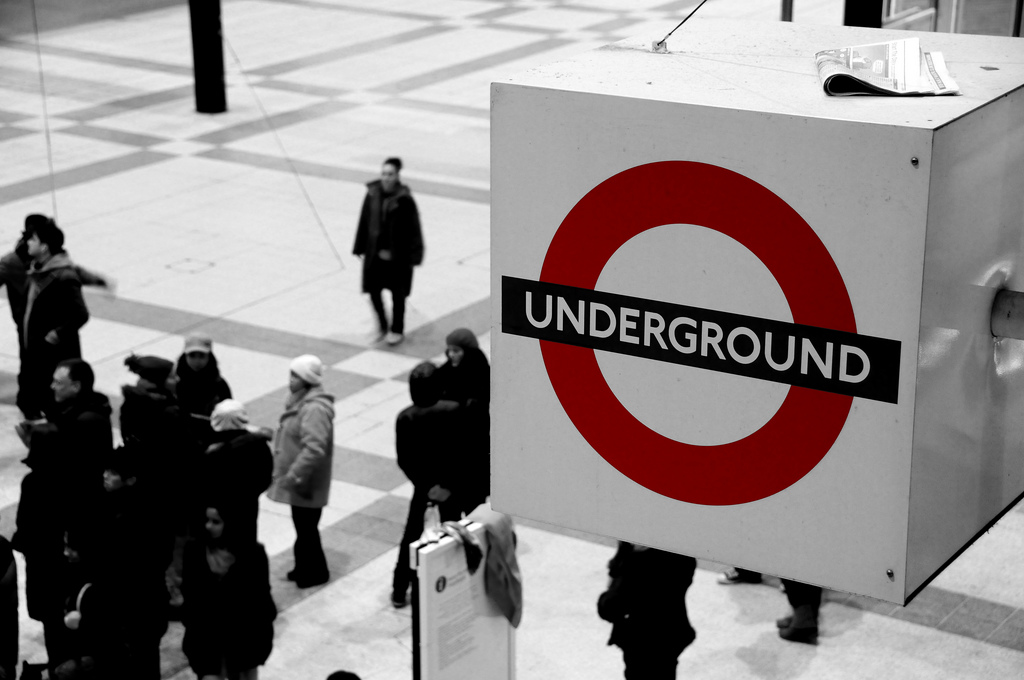
Lundon! There's Lądek, Lądek Zdrój, yes…
One day, sitting quietly at my computer, I met Kaja. A strange chain of events led me to decide to visit her in Seville, Spain. I planned my trip so as to see London along the way — the city that has become a paradise of riches for Poles.
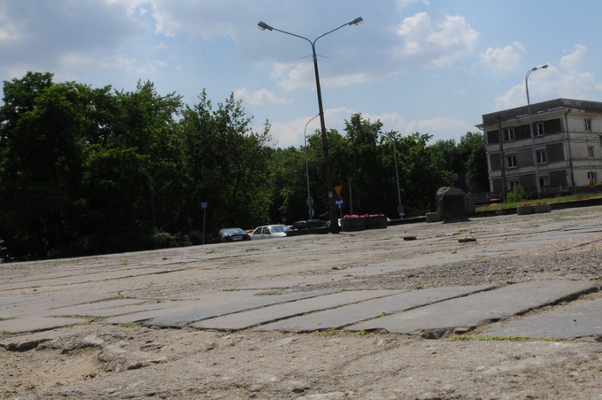
The Old Market Square in Łódź
As tends to happen at the end of the year, a little grumbling is in order. That Łódź is a different city from all the rest, I probably no longer need to prove to anyone. Sitting in front of my computer, I realised yet another fact that sets this place apart. We have no Old Market Square!
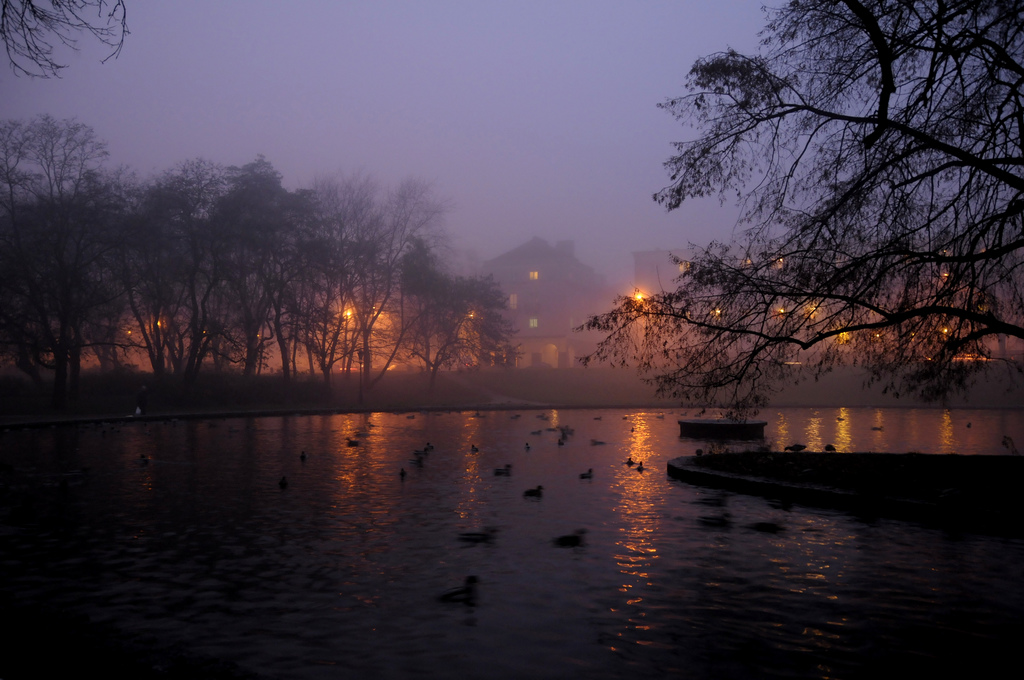
Foggy Wanderings Around Łódź
Some time ago I went on night-time wanderings around Łódź. The city seemed to me empty, sad and gloomy then. On a certain foggy evening I wanted to set out again and capture the beauty that Łódź hides somewhere within itself.