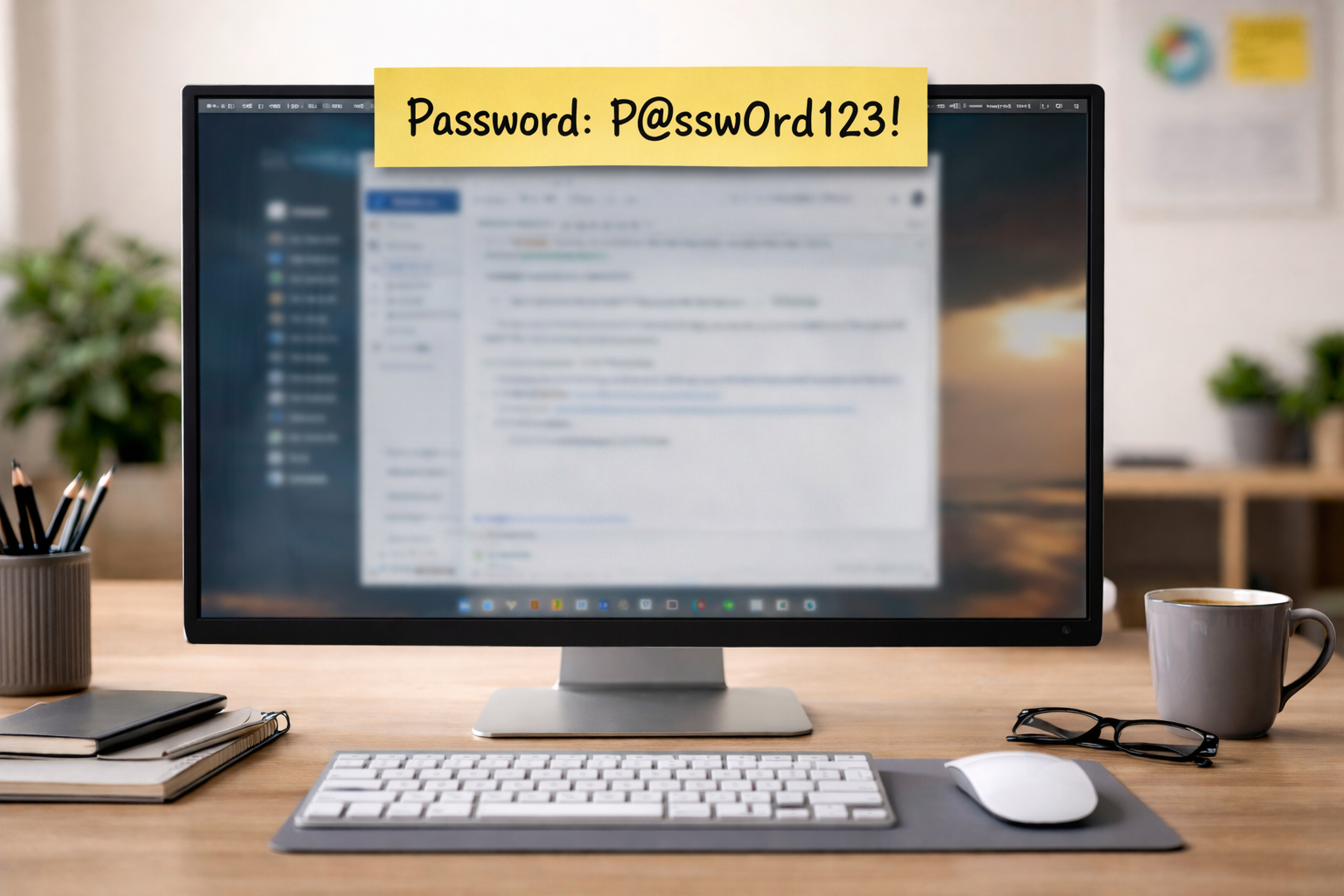
Why is AI not suitable for password generation?
Is asking AI to generate a strong password a good idea? In this article, I explain why the token prediction mechanism makes “random” passwords from ChatGPT or Claude predictable for cybercriminals.
Imagine this scenario: you install a modern camera in your living room to keep an eye on what your dog is doing while you're at work. Or you install surveillance in your spa or Pilates studio to keep an eye on the reception area and feel safer. You feel calm, you can view the feed on your phone, and technology is working for you.
Continue reading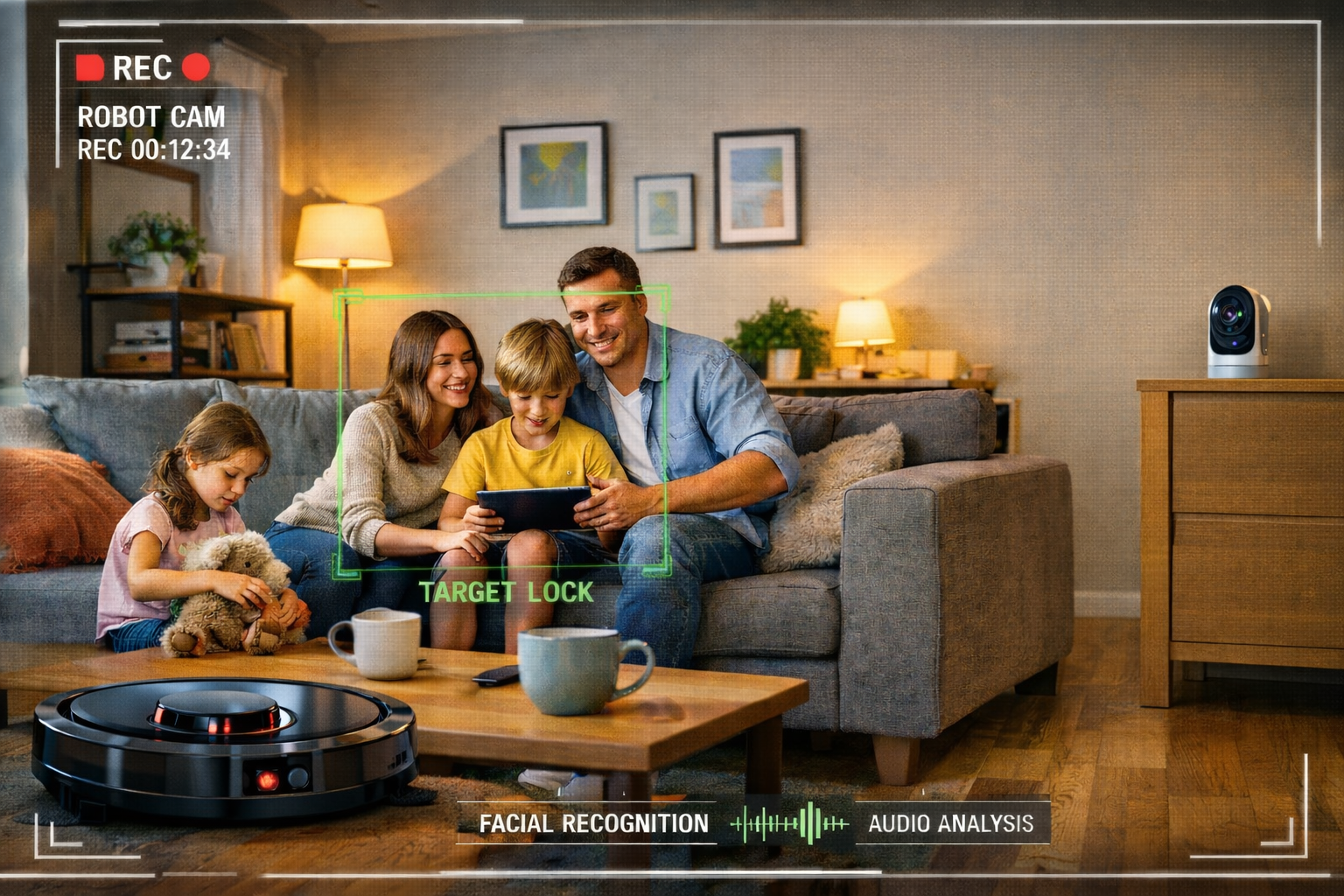
Is asking AI to generate a strong password a good idea? In this article, I explain why the token prediction mechanism makes “random” passwords from ChatGPT or Claude predictable for cybercriminals.

The world has gone crazy for creating applications using artificial intelligence. Tools such as Lovable and Cursor are breaking popularity records, and the internet is teeming with courses promising that anyone—even non-technical people—can create a profitable startup by simply entering the right commands (prompts). This phenomenon has been dubbed “vibe coding.” But is it safe to entrust software development to amateurs armed with AI?

Let's do a quick test. Open ChatGPT, Claud, Gemini, or whatever AI you use, and type in this prompt: “Choose a random number between 1 and 25.” Let me guess. Did it pick 17? Before we go any further, post your result in the comments! You'll see how quickly the same numbers repeat themselves.

Imagine this situation: you send your wife a photo of your child in the bath, who has amused himself by making a foam cap on his head. Instead of enjoying the moment and your child's happiness, you end up in prison for distributing pedophile photos.
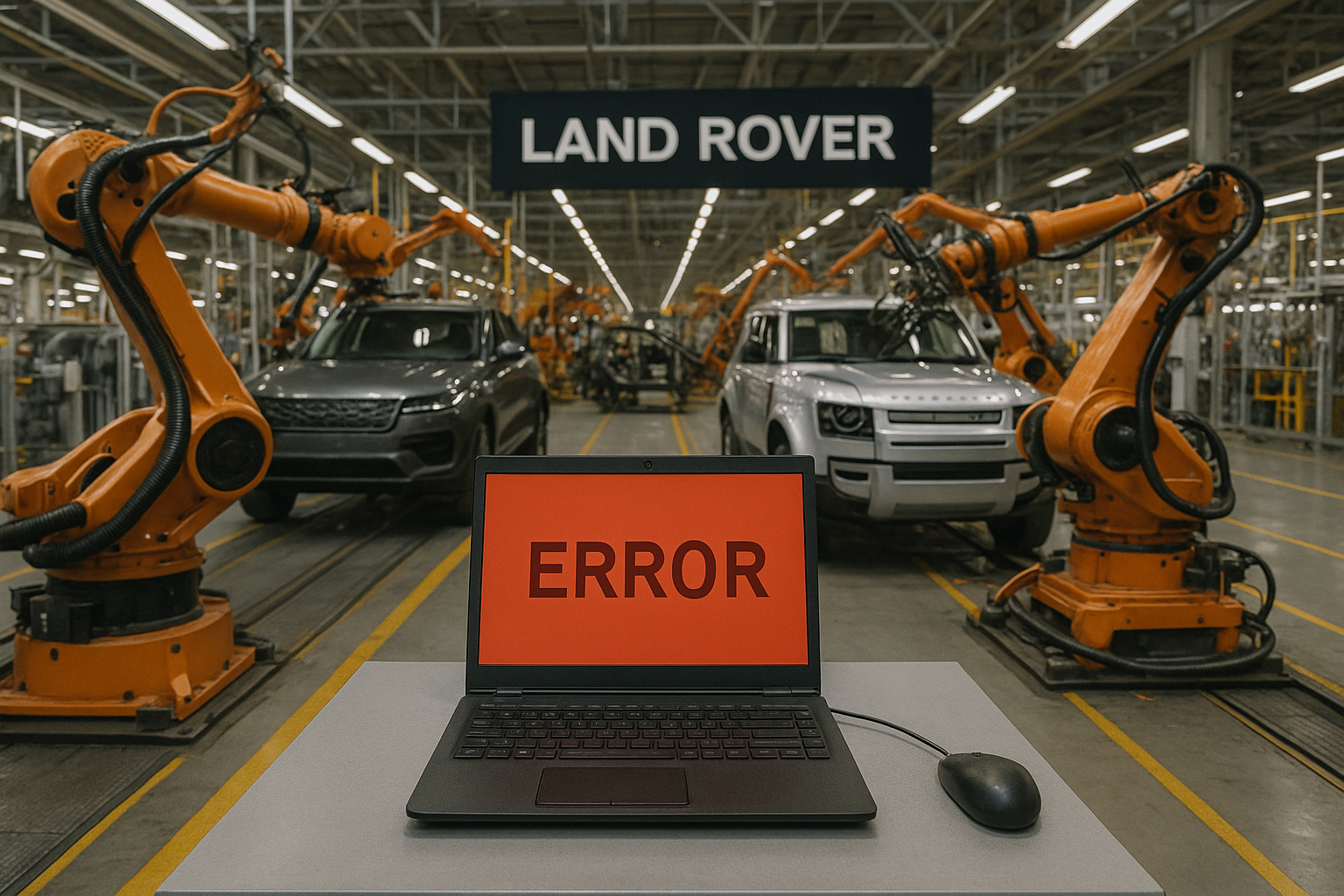
Do you think cybersecurity is only a problem for the IT department? That “it doesn't concern you”? Or that your company has “nothing to steal”? Tell that to Jaguar Land Rover (JLR).

Have you ever received a call from your mother asking, “Son, I got a text message saying I have to pay an extra 30 groszy for a package, but I didn't order anything. What should I do?” Or heard from your father that a well-known politician is promising huge sums of money on Facebook for a small investment in a state-owned company?

On the night of 9–10 September, when Russian drones violated our airspace and the internet went wild. In moments like these, when information chaos mixes with anxiety, many of us look for quick and reliable answers. Where? Increasingly often in an AI chat window, which appears to be an oasis of organised knowledge.
We live in a world that is becoming increasingly digital every day. Running a business without specialised tools is almost impossible today. Newsletter mailing systems, online shop management platforms, invoicing software – the choice is vast, and the benefits seem obvious. You set up an account, pay a small monthly subscription fee, and in no time at all you have a powerful tool that automates your work.
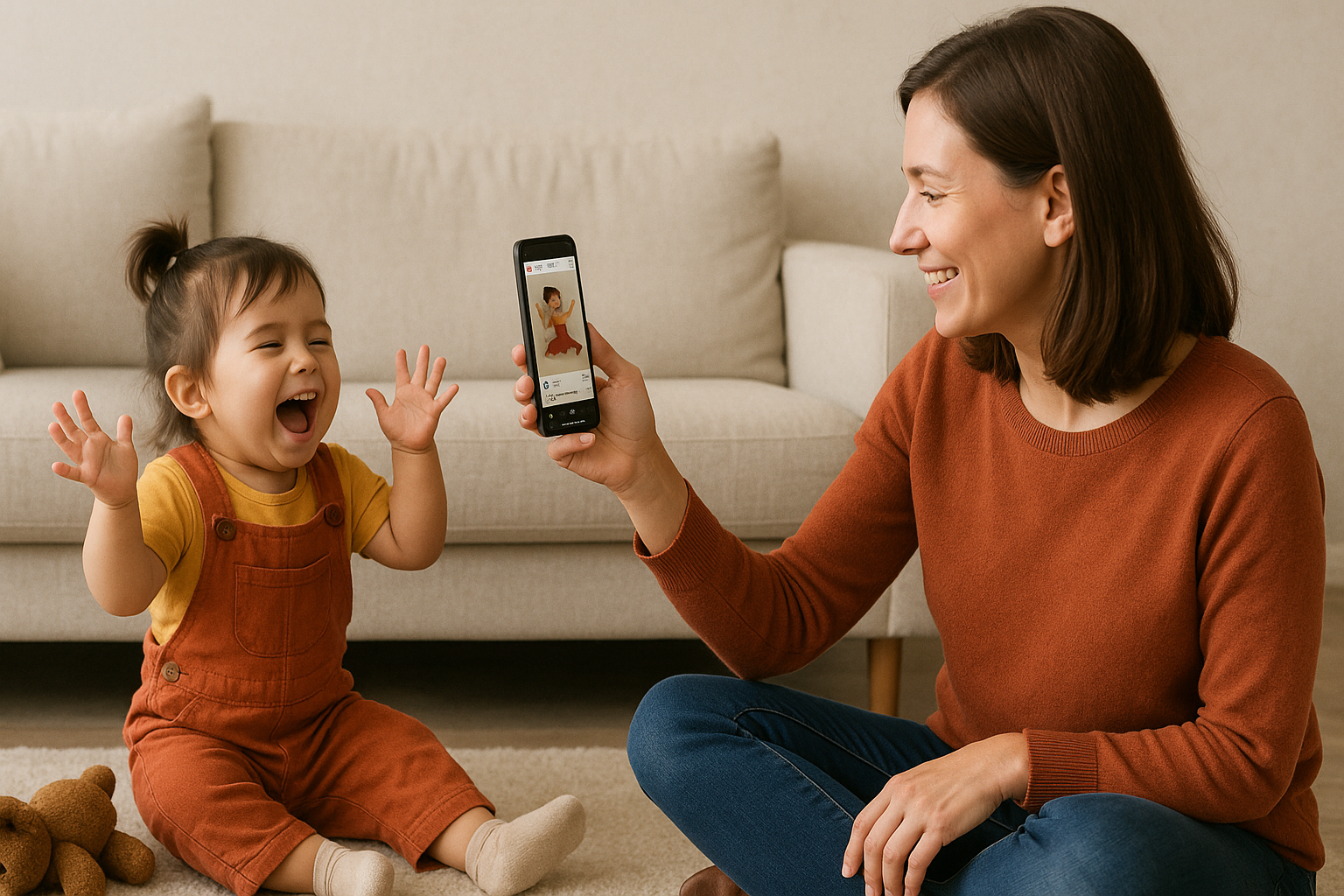
1 September marks the beginning of the school year. Parents, grandparents, schools and local authorities are preparing for photos with school bags, balloons and signs saying ‘first day at school’. On this day, social media is flooded with photos full of smiles and emotions. But here's an important appeal: before you post a photo of your child on the internet, think twice.
Polska stała się jednym z najczęściej atakowanych przez cyberprzestępców krajów na świecie. – Jesteśmy łatwym celem – tłumaczy mi ekspert Kamil Porembiński. I dodaje: – Osobą odpowiadającą za bezpieczeństwo w firmi jest informatyk, którego innymi zadaniami są wymiana kabli w komputerze i toneru w drukarce. Ich wiedza o cyberatakach i cyberbezpieczeństwie często jest zerowa.
W erze powszechnego entuzjazmu wokół sztucznej inteligencji coraz więcej osób – zarówno programistów, jak i zupełnie nietechnicznych użytkowników – sięga po AI, by tworzyć kod, rozwiązywać problemy lub budować proste aplikacje. Problem w tym, że często efekt końcowy to cyfrowy odpowiednik prowizorki.

W Polsce nie możesz sprawdzić numeru księgi wieczystej przez Geoportal, bo to... dane osobowe. Tak uznał Naczelny Sąd Administracyjny. Według tej interpretacji, sam numer KW, czyli ciąg znaków w formacie XXXX/XXXXXXXX/X, to już informacja chroniona. Ale jeżeli bardzo chcesz – proszę bardzo – wystarczy zapłacić 100 zł firmie zarejestrowanej w Stanach Zjednoczonych i masz dostęp do 50 takich numerów. Legalnie? W USA tak. W Polsce – nie.