A Visit to Pripyat
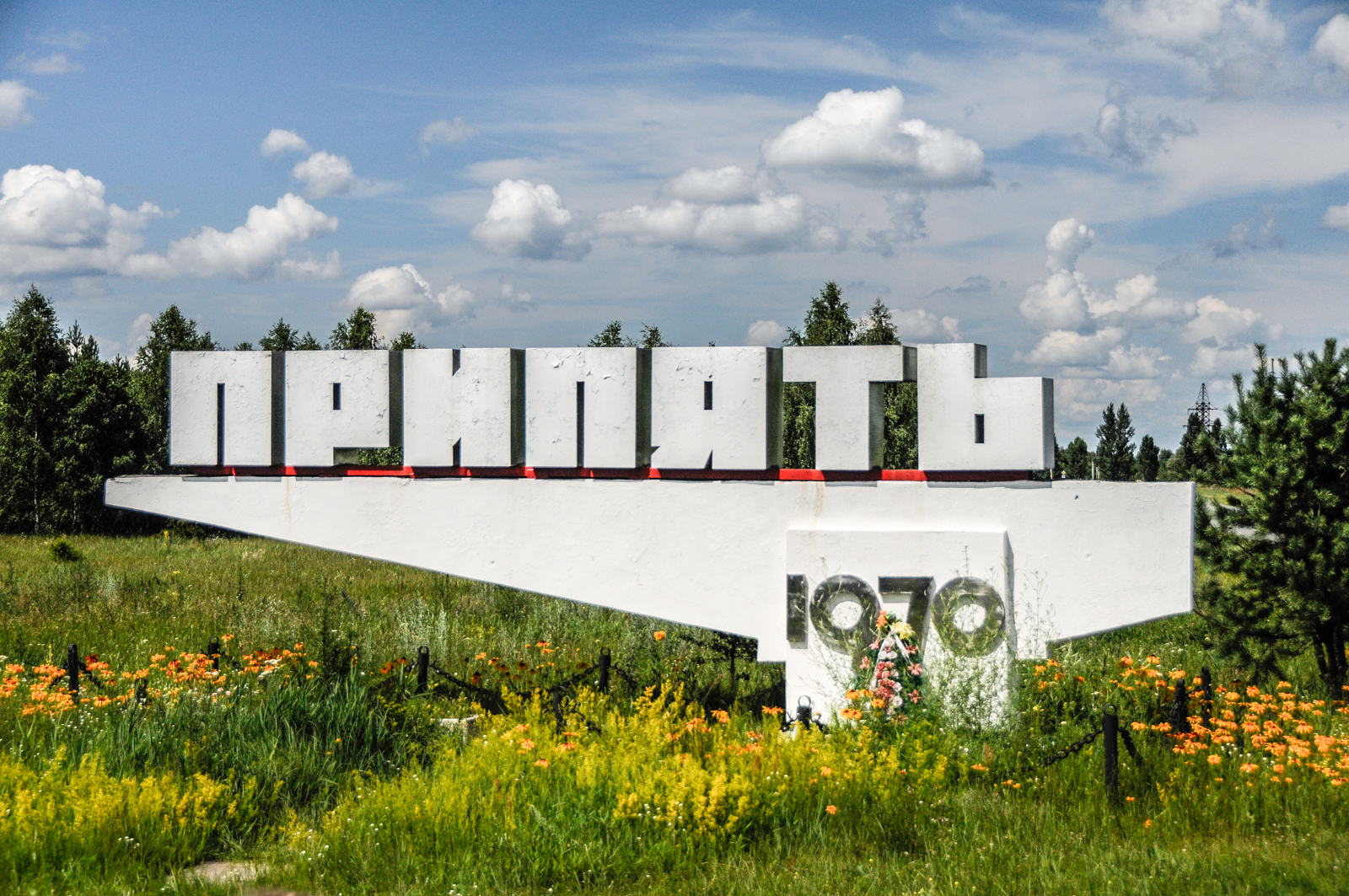
About 3.5 km from the nuclear power plant lies the modern city of Pripyat. Built and planned from scratch to serve the reactor's workers as well as possible. In Pripyat you'll find a swimming pool, an amusement park, a cinema, a theatre and many other pleasures for tired workers. That, at least, was the case in 1986.
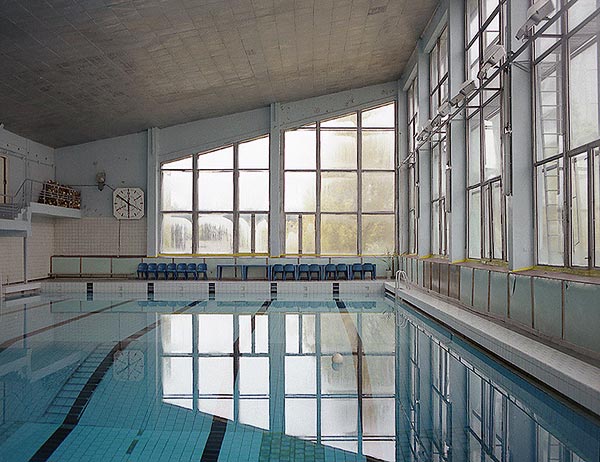
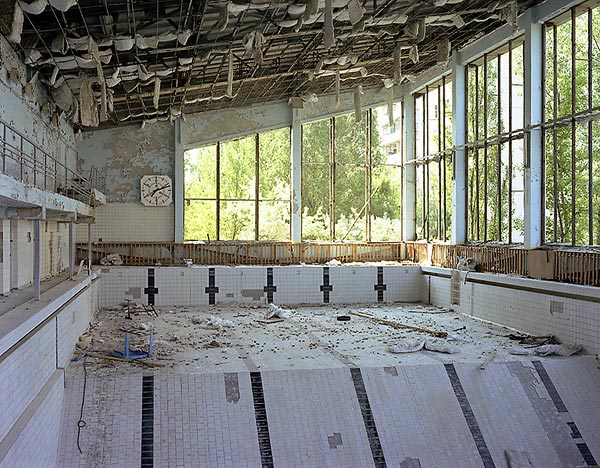
The swimming pool in Pripyat in 1996 and 2003. The photos are by David McMillan.
Over the years you can see very clearly how the city is being destroyed by the forces of nature. After every winter, water and ice do their work. The concrete crumbles, damp ruins the furniture, and nature swallows up more and more of the city, covering it with bushes and trees.
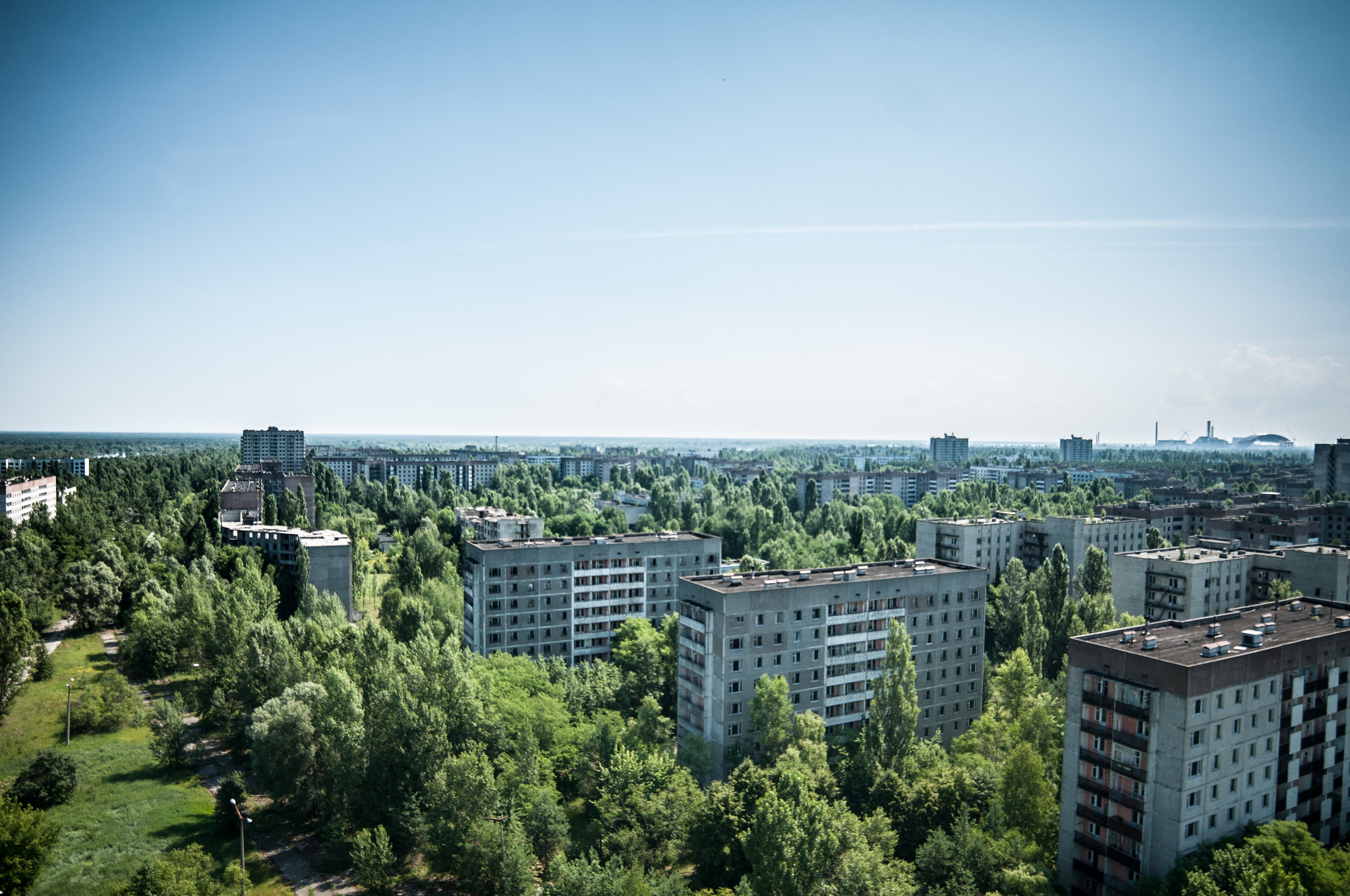


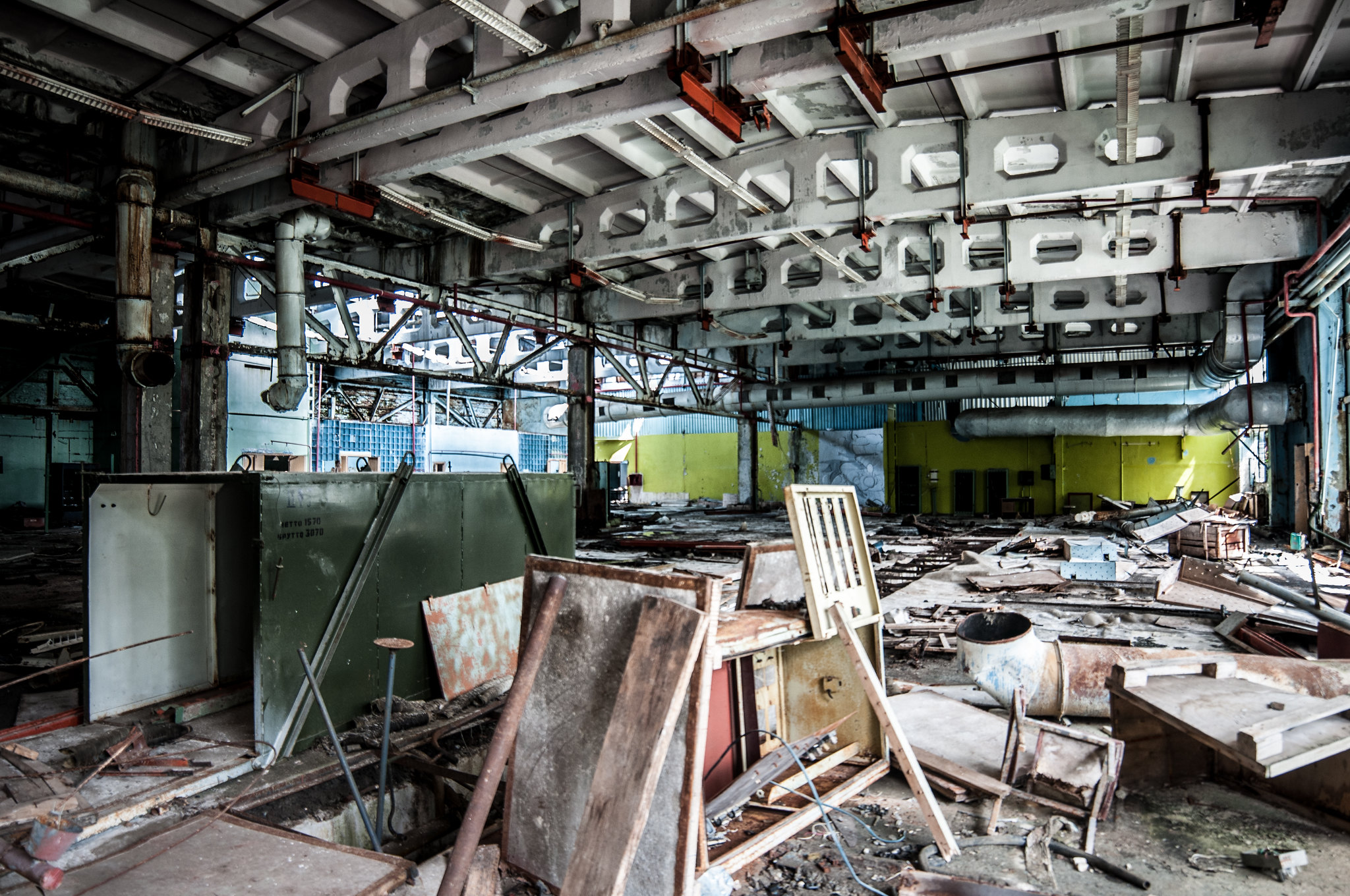
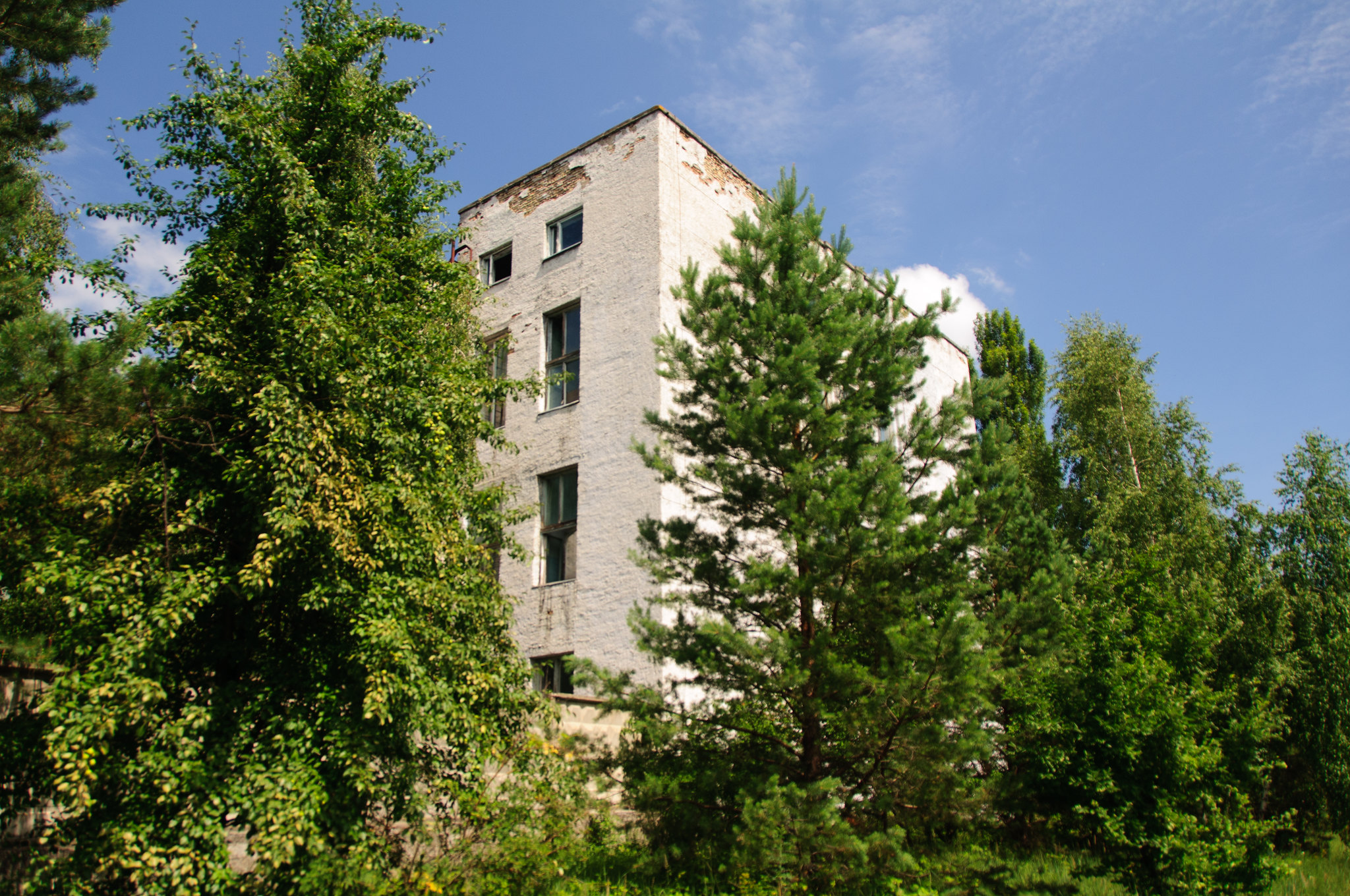

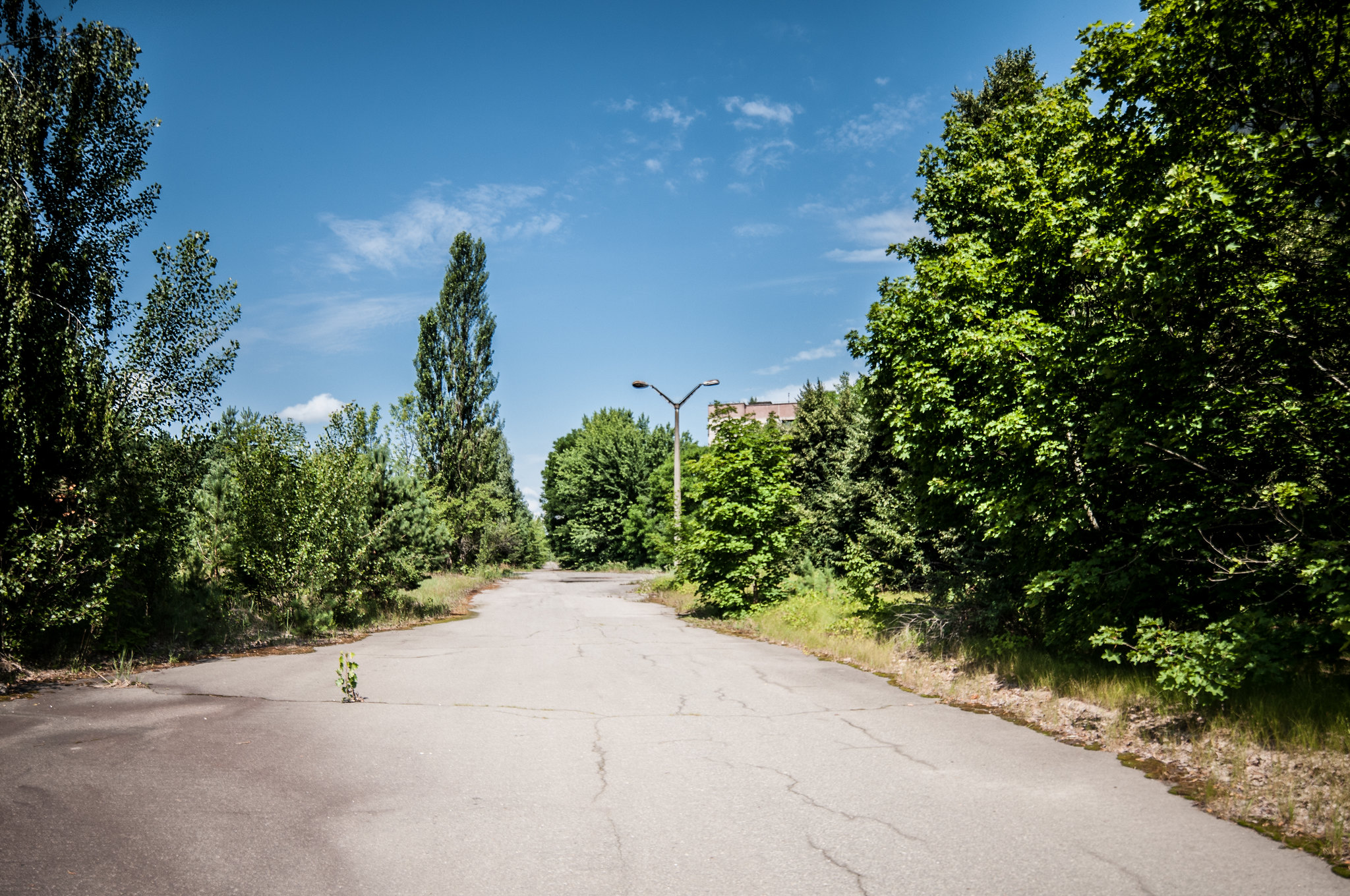
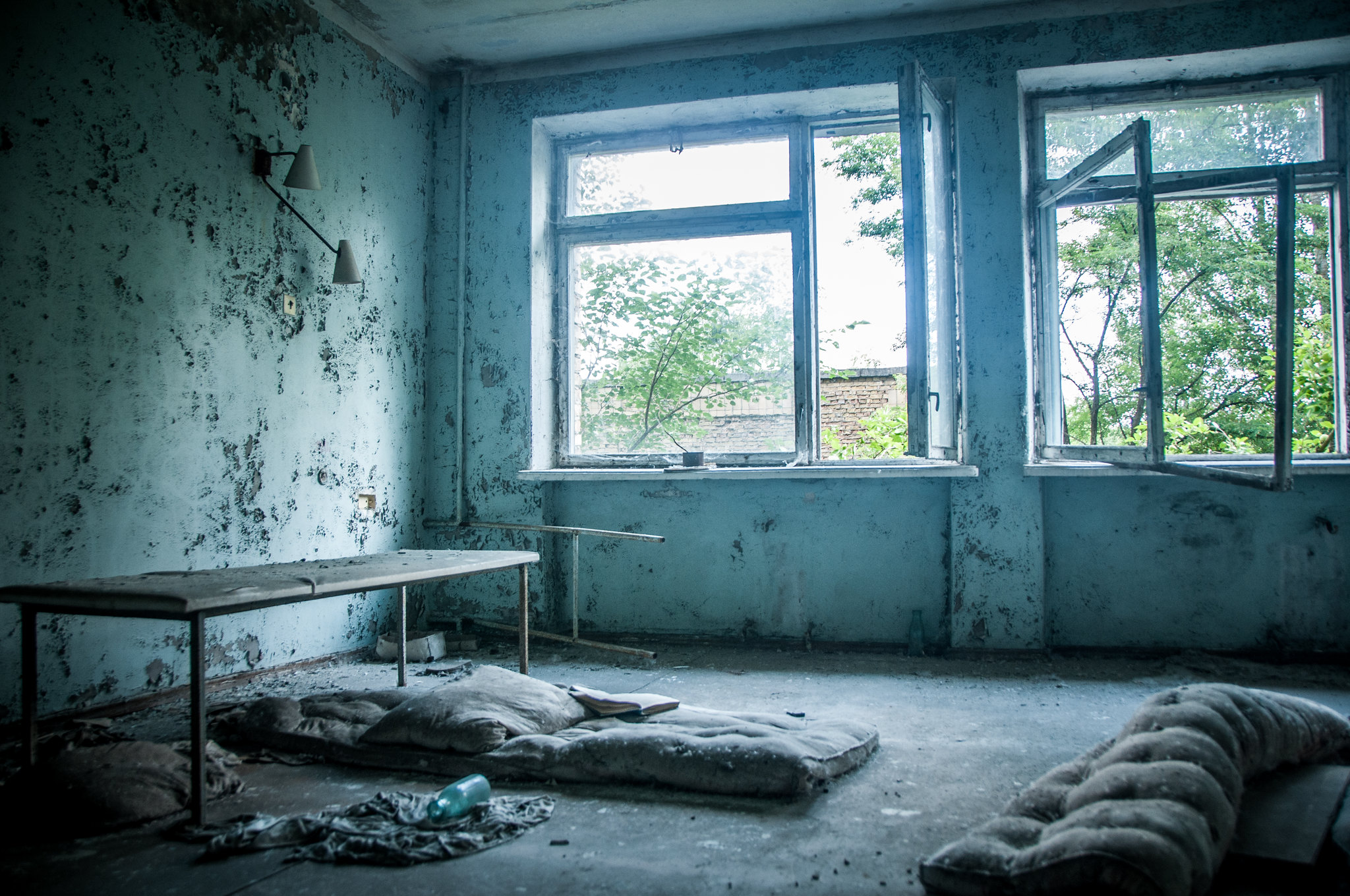
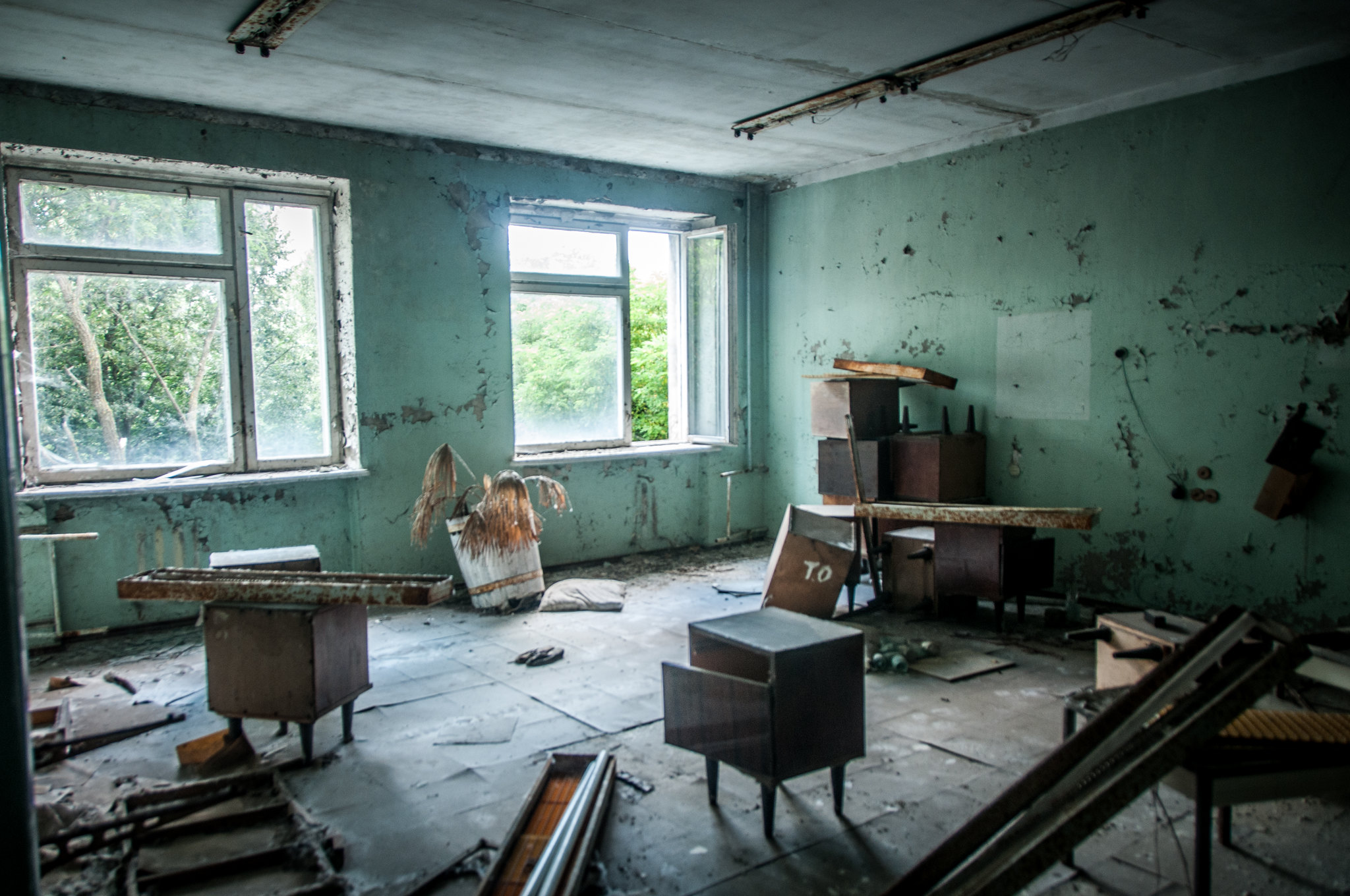
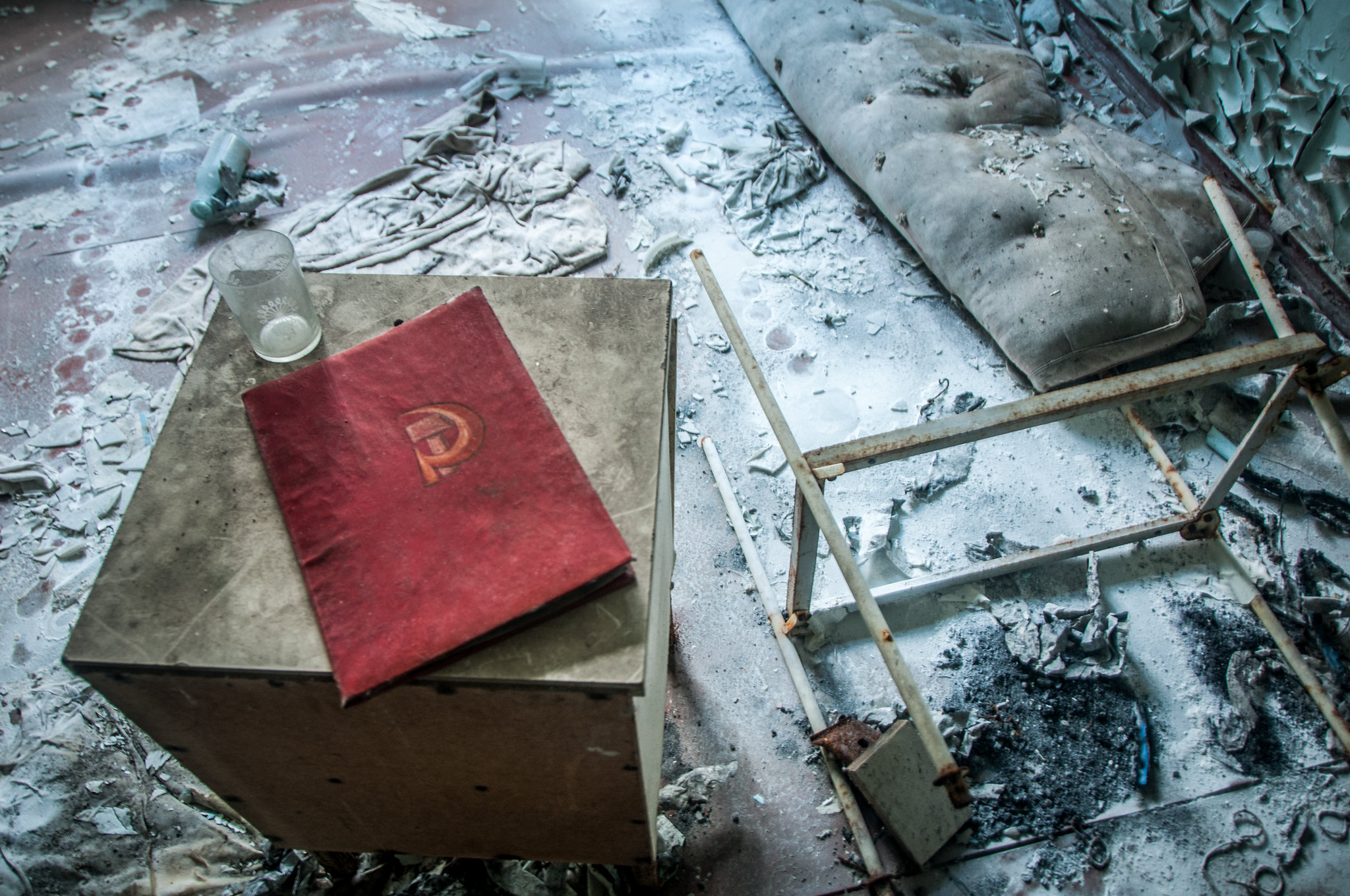
Today Pripyat is called a ghost city. For me it's one great nature reserve, a veritable green jungle. After many years, nature has reclaimed what is hers. Avenues where beautiful flower beds once grew are today overgrown with huge bushes and trees. Squares and buildings are hidden behind dense vegetation.
What I like most about Pripyat is precisely the nature, which isn't destroyed by man. Walking around the city you can come across the tracks of foxes, wild boar and roe deer, and countless dragonflies and mosquitoes. The latter get in the way of touring the city more than they make it more appealing.
What is Pripyat like? Green and ruined. That's how you can describe this city. Over the last few years it has changed a great deal. It has become overgrown. Trees and bushes are everywhere. Sometimes they are so dense that reaching the stairwell of any given apartment is very difficult.
One of the more interesting places worth heading to is the city hospital. There you'll find maternity wards, operating theatres and even patient records. Vials of medicine still stand on the shelves, and in the basement you can find the clothes of the firefighters who were brought to the hospital with burns from the fire.
The Jupiter factory
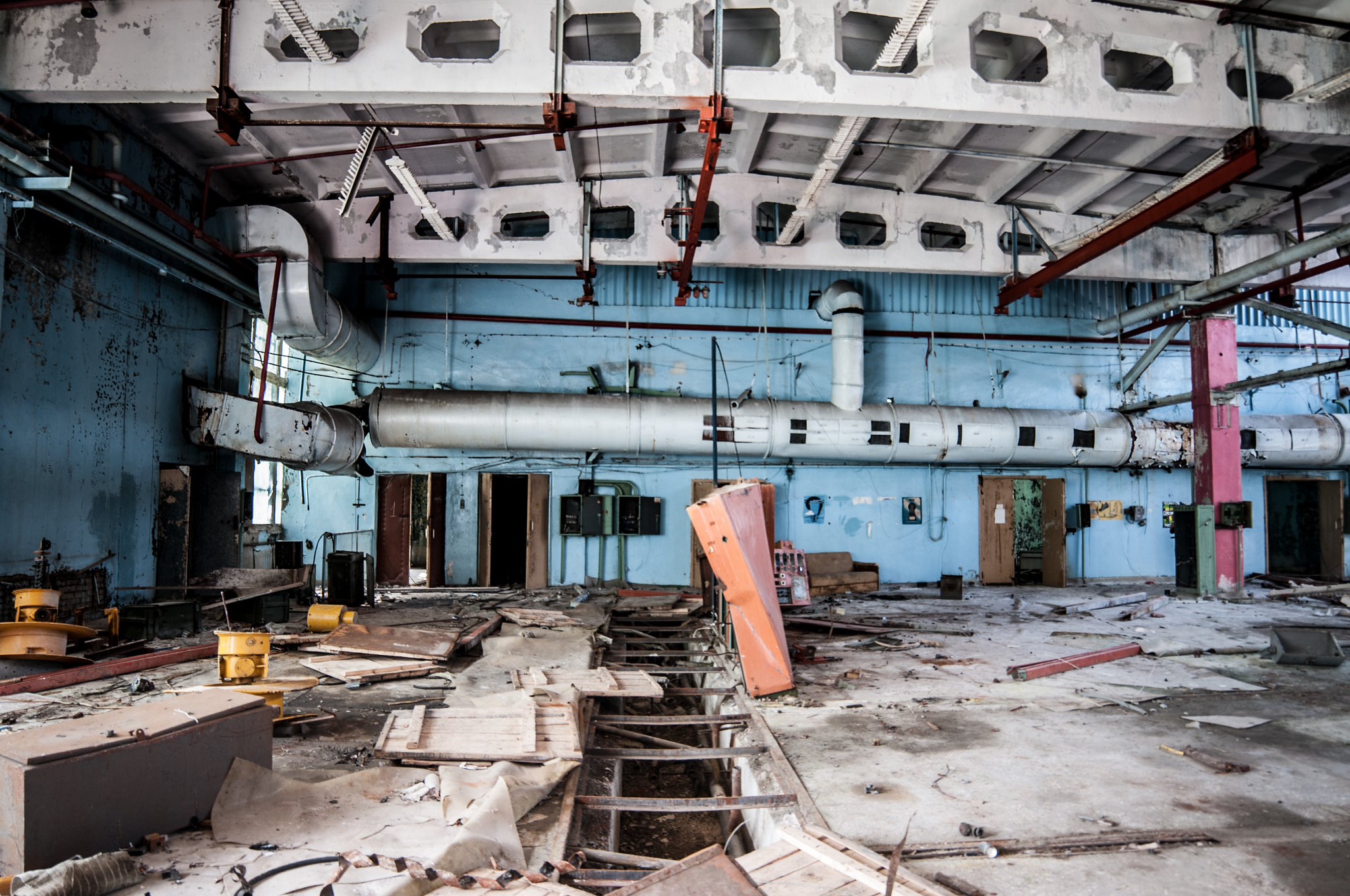
Another important point to visit in Pripyat is the Jupiter works. It operated until the day reactor 3 was shut down, that is, until the year 2000. What did it do? Officially, spare parts for radio-cassette players were produced there. The only question is why, on a wall inside the works, you can find a notice about the need to pass a dosimetric check?
In reality, the Jupiter factory dealt with radioactive waste management. The works dealt with recovering plutonium from spent reactor fuel. Many floors are blocked by solid doors, in which you can only see a tiny window for showing passes. Labyrinths of stairwells, changing rooms with showers, and crates addressed to the nuclear research institute in Dubna (Russian: Дубна) were no doubt indispensable for the production of radio-cassette players.
The Red Forest
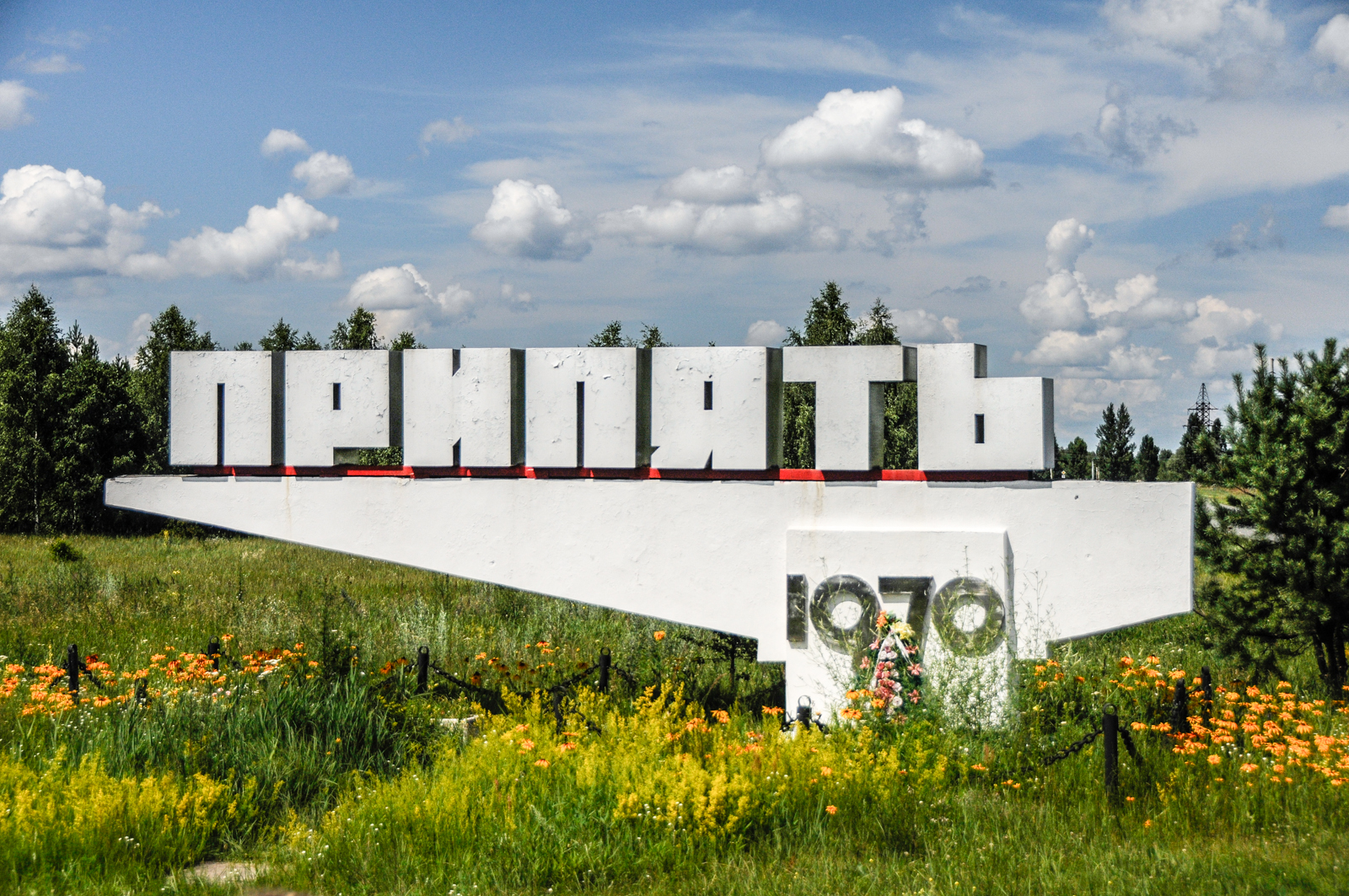
The Red — or really the Rust-Coloured Forest — is shrouded in mystery. You can read quite a few fairy tales about it, such as that it glowed red at night, that there are twisted trees there, and so on. And what does it really look like? I drove through the area of the Red Forest quite a few times and not once did the dosimeter beep. The forest ends near the Pripyat 1970 sign.
As a result of thermal radiation, the trees lost their leaves during the fire at the Chernobyl reactor. A lot of radioactive material fell on this area, so it was decided to cut down the forest and bury it underground. As it later turned out, this was completely pointless, since the radioactive ash ended up closer to the groundwater.
Pripyat itself was also an object of rescue attempts, and a return of the residents was even considered. In the autumn of 1986, the houses near the Fujiyama were washed down using fire hoses. This lowered the radiation level more than tenfold.
View related articles
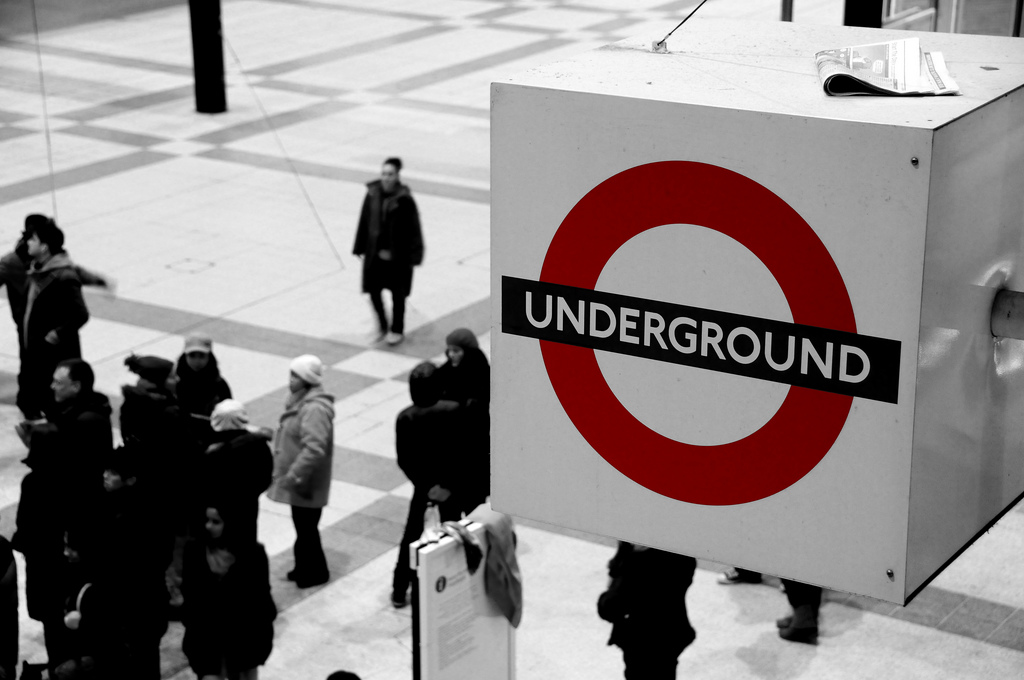
Lundon! There's Lądek, Lądek Zdrój, yes…
One day, sitting quietly at my computer, I met Kaja. A strange chain of events led me to decide to visit her in Seville, Spain. I planned my trip so as to see London along the way — the city that has become a paradise of riches for Poles.
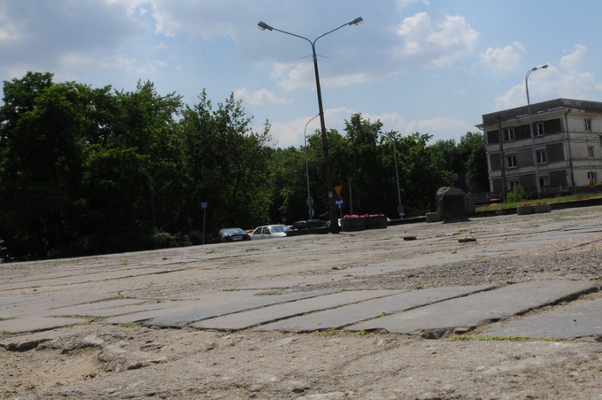
The Old Market Square in Łódź
As tends to happen at the end of the year, a little grumbling is in order. That Łódź is a different city from all the rest, I probably no longer need to prove to anyone. Sitting in front of my computer, I realised yet another fact that sets this place apart. We have no Old Market Square!
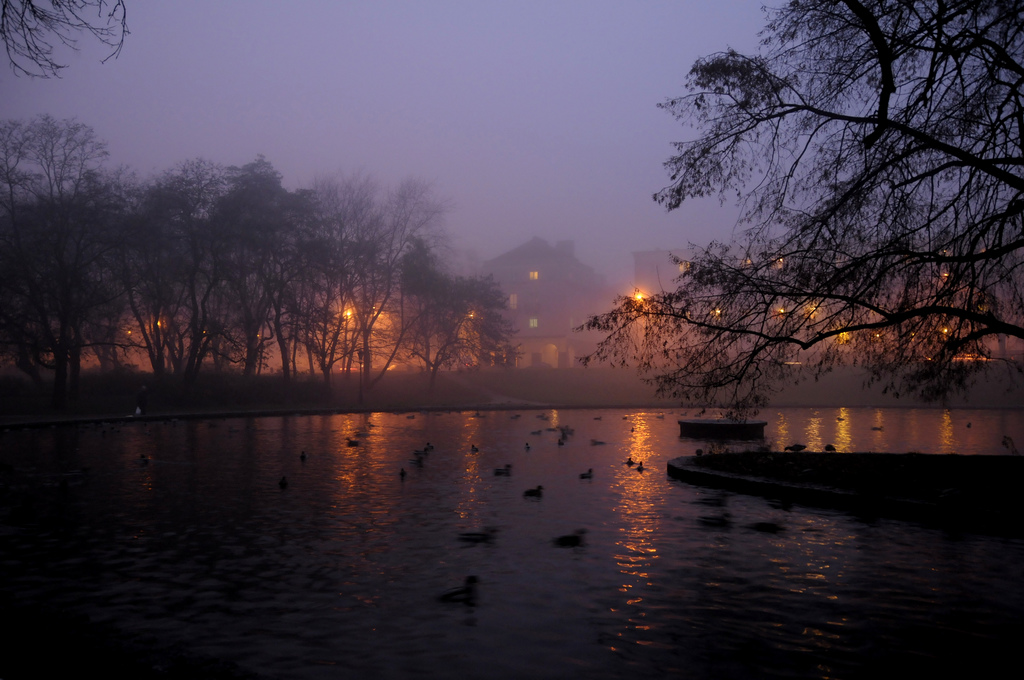
Foggy Wanderings Around Łódź
Some time ago I went on night-time wanderings around Łódź. The city seemed to me empty, sad and gloomy then. On a certain foggy evening I wanted to set out again and capture the beauty that Łódź hides somewhere within itself.