Worth Seeing in Iceland (Part 3)
Heading north and then west, we come across more waterfalls, hot springs and volcanoes. The journey across Iceland continues. From road number 939 we return to "the One" and drive towards Akureyri.
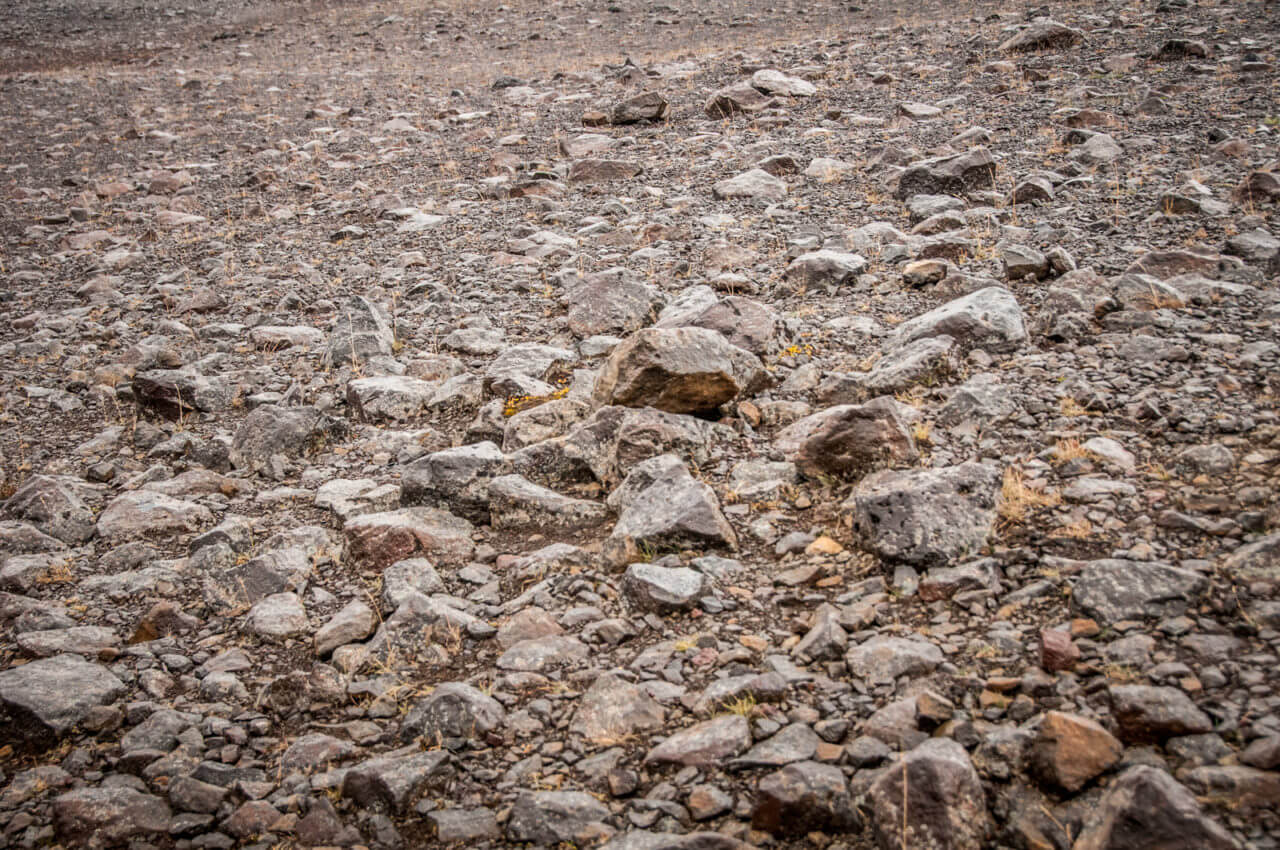
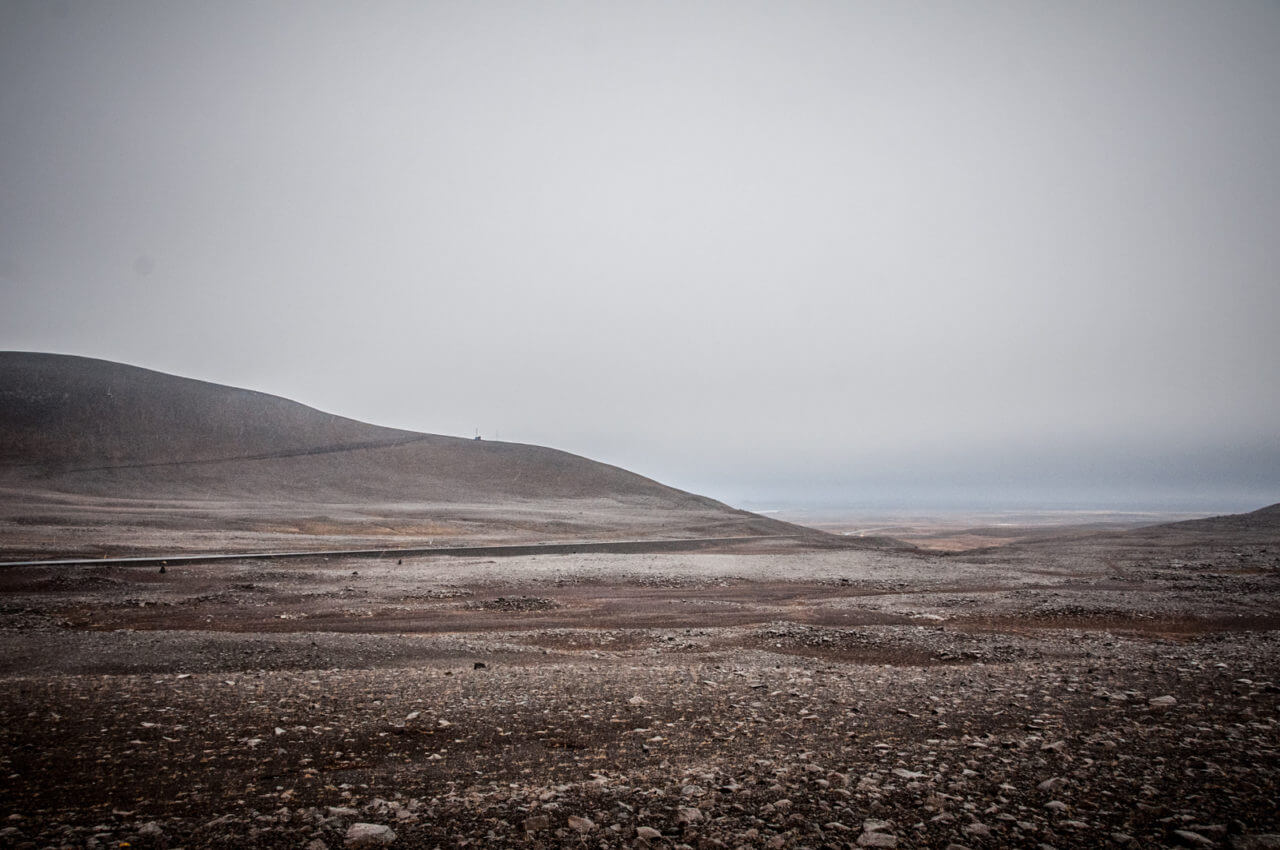
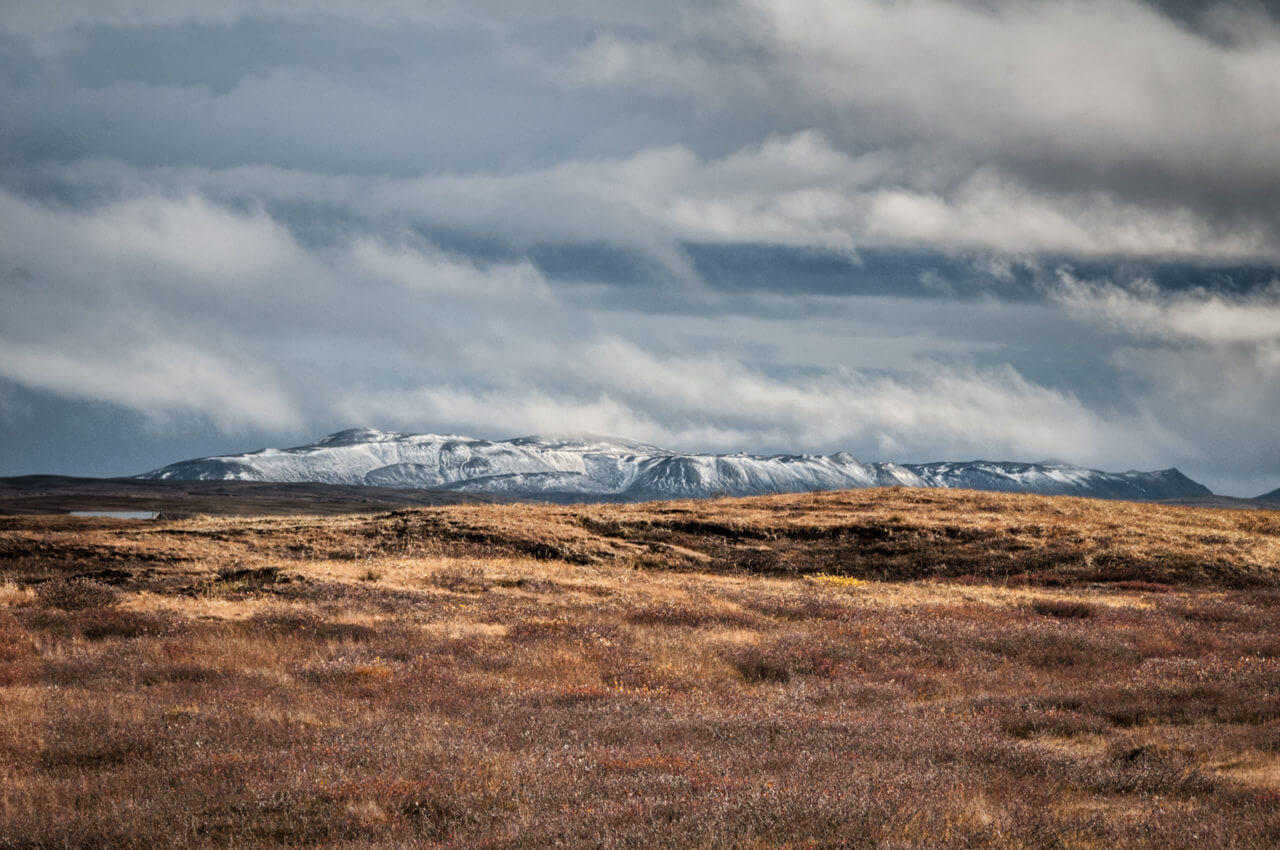
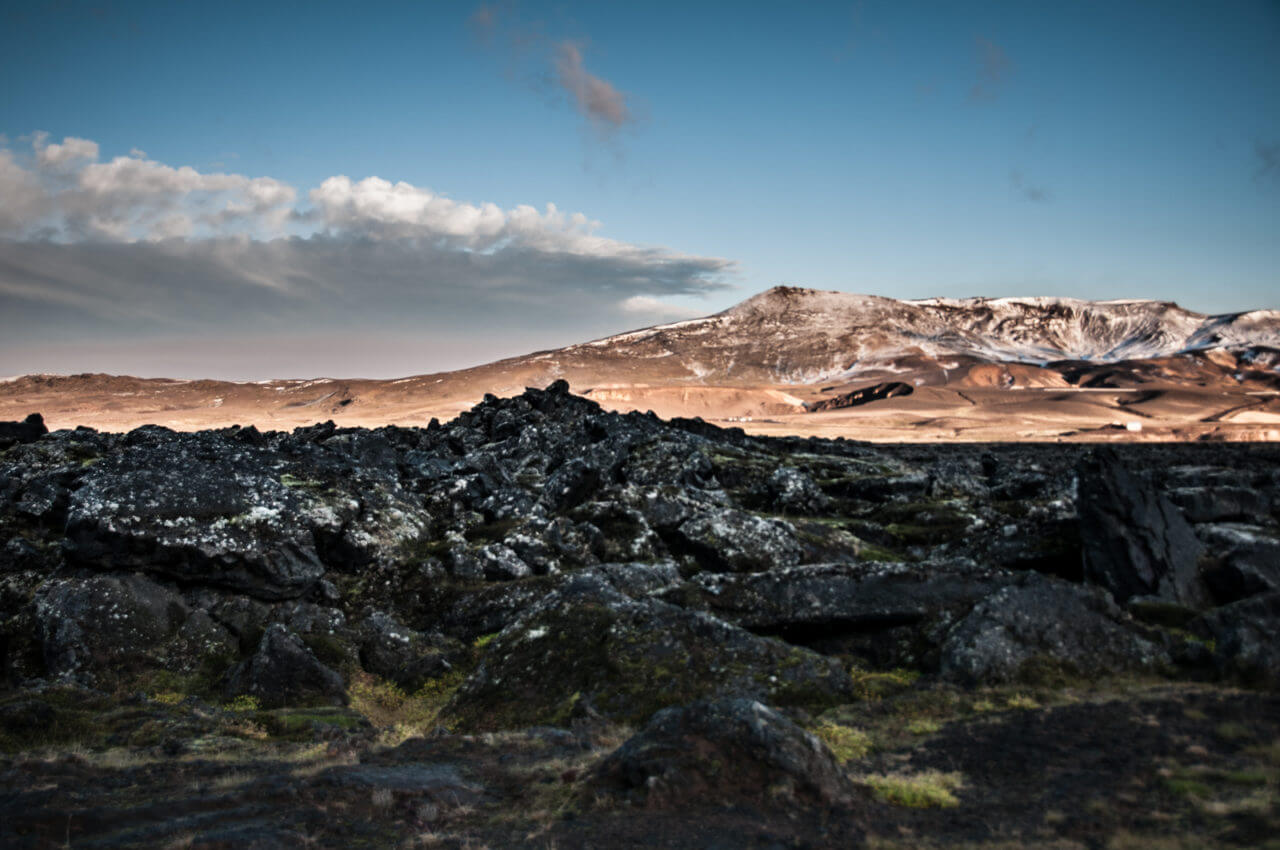
Road number 1 leads us through wilderness and rocks. The depopulated wastelands somewhat resemble a Martian atmosphere. Reddish-brown rock stretches all the way to the horizon. Every so often you can come across a viewpoint that reveals the vastness of these lands forgotten by man.
Everywhere there's plenty of scattered volcanic stones and various kinds of rock.
The Dettifoss, Selfoss and Hafragilsfoss waterfalls
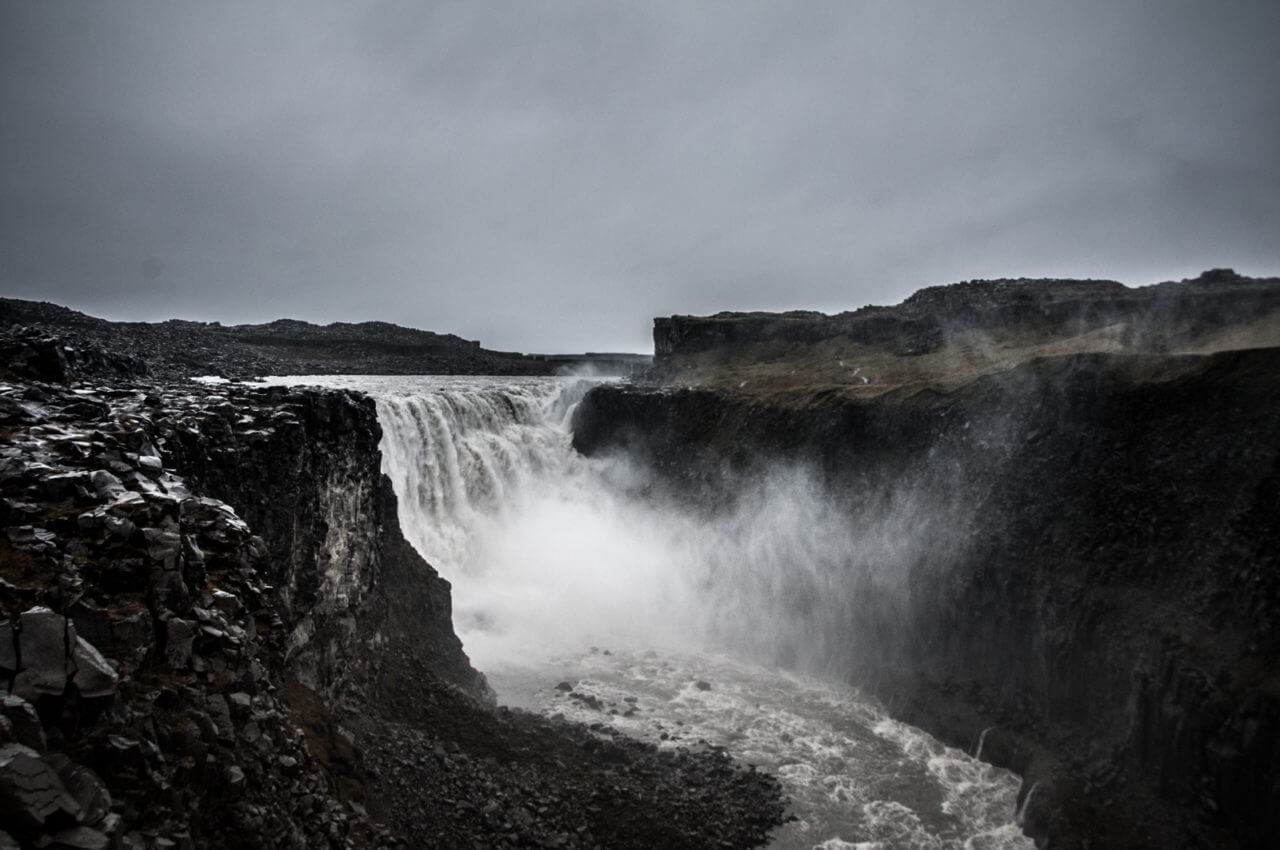
Dettifoss is the most powerful waterfall in Iceland through a combination of water flow volume, width and height. At 100 metres wide and 45 metres tall, the waterfall makes an enormous impression. Around 190 m3 of water flow over it per second, falling with a great roar into the canyon. The colour of the water is greyish, as it carries with it huge amounts of gravel and sand.
The Selfoss waterfall is located a kilometre above the Dettifoss waterfall. You can get to it by walking up the river Jökulsá á Fjöllum (Icelandic: "Glacial River from the Mountains"). Two kilometres below Dettifoss, meanwhile, we come across the Hafragilsfoss waterfall.
The Krafla volcano and the Hverir geothermal area
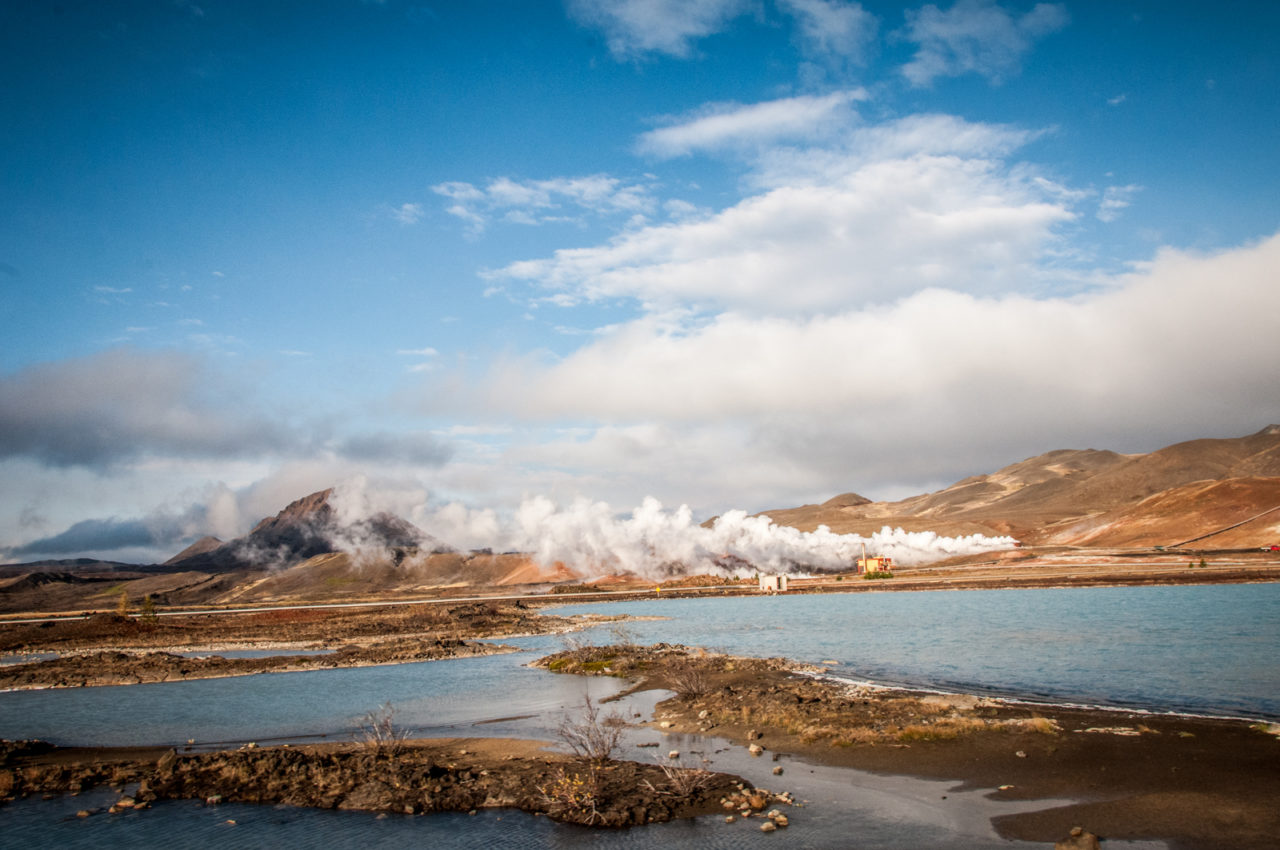
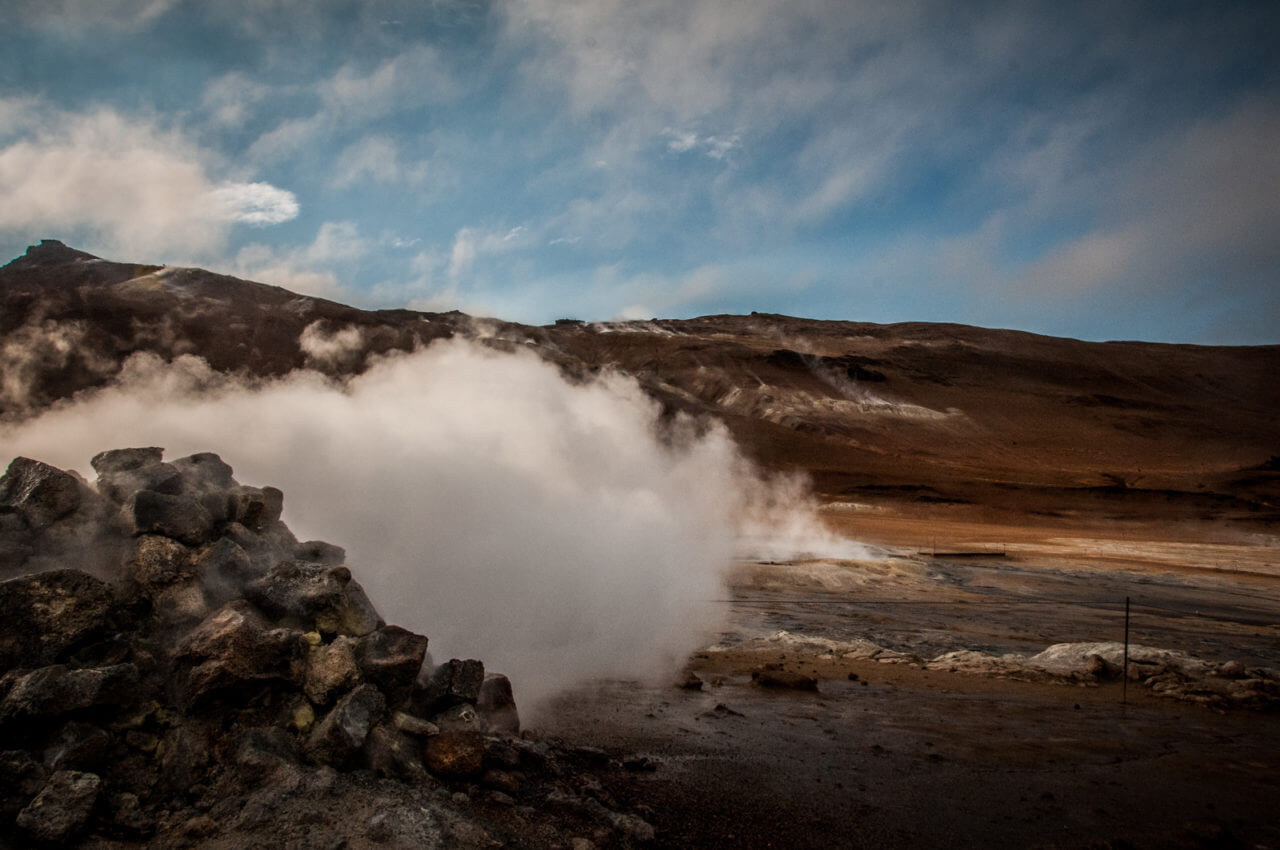
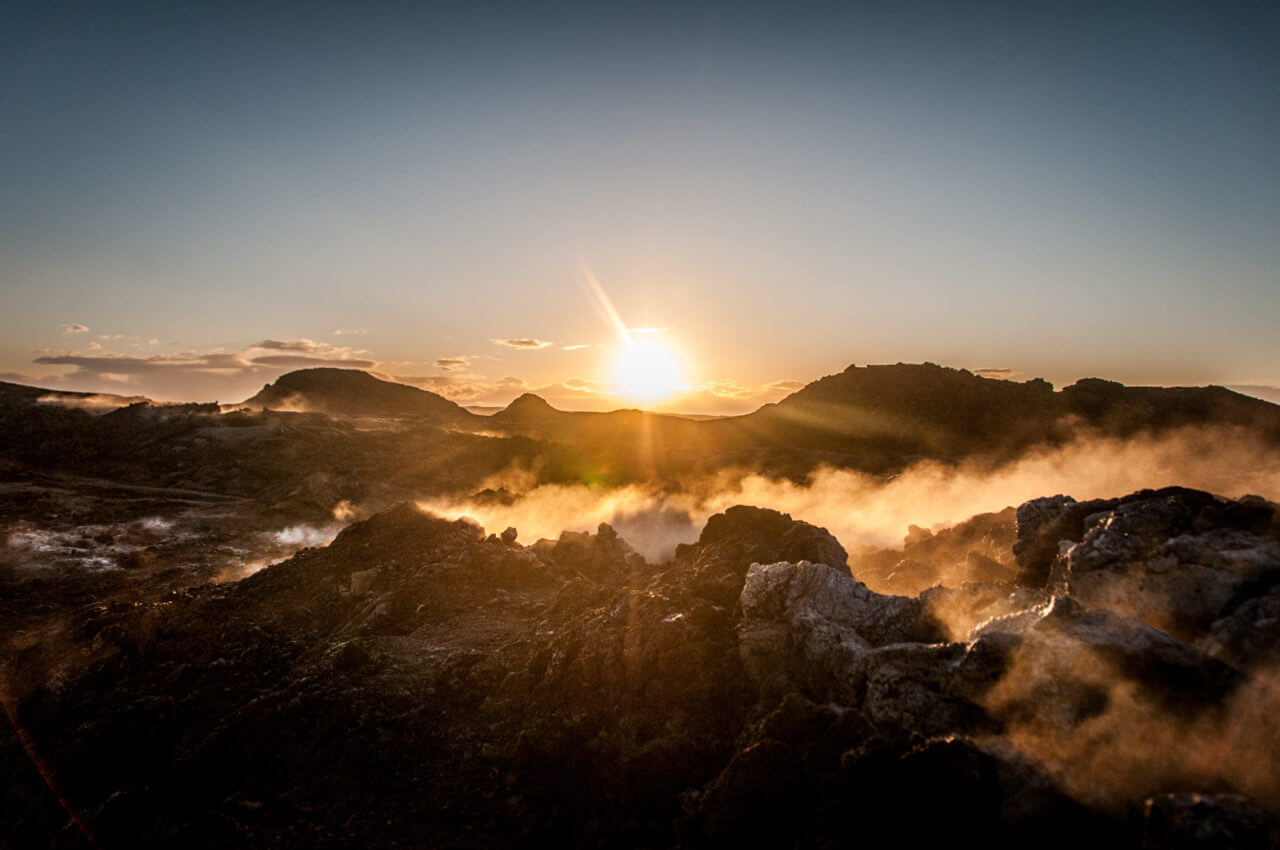
On the way to the lake of midges — Mývatn — we'll come across the Hverir geothermal area. The earth, sand and mountains in the area are covered with a yellow-blue deposit, and in the air you can smell sulphur. Steam escapes from the ground under high pressure. There are plenty of mounds and boulders around, covered in sulphur.
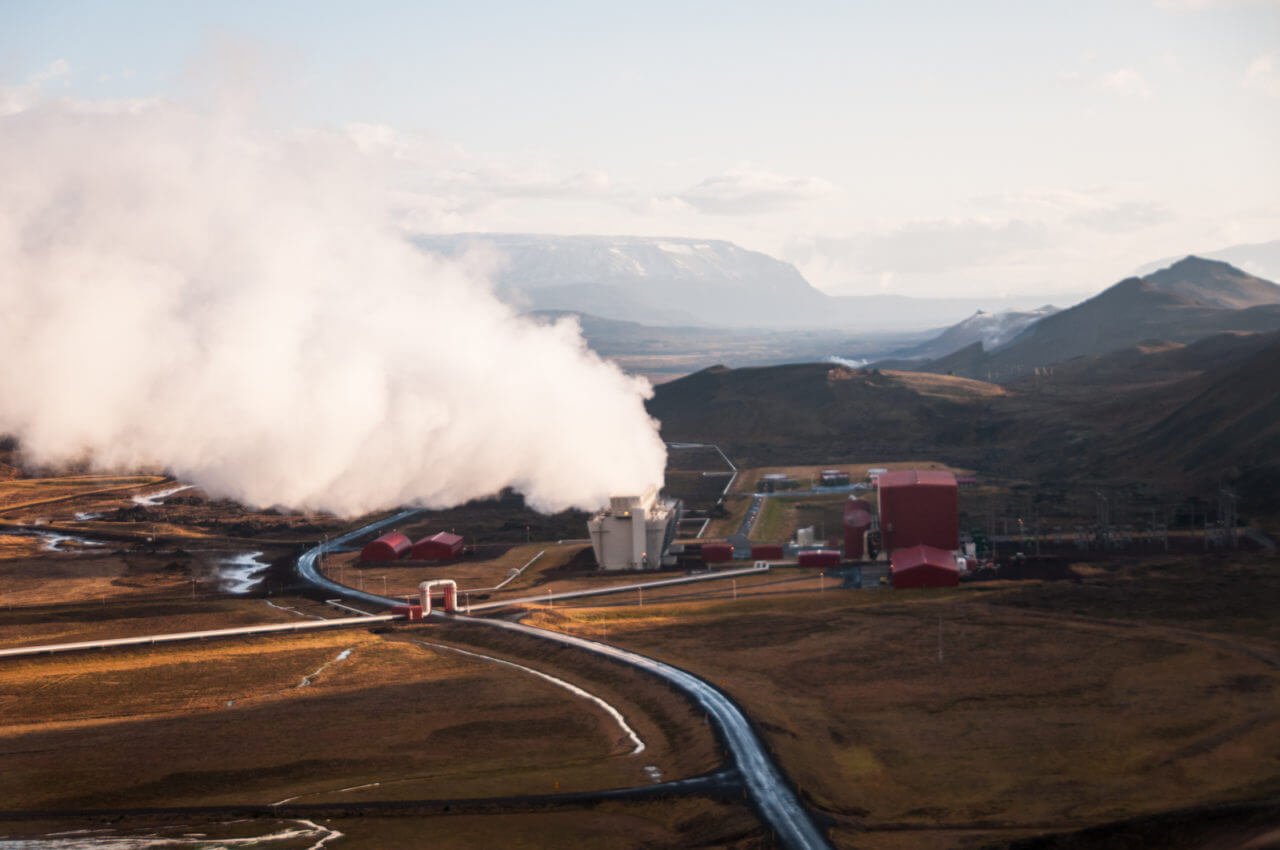
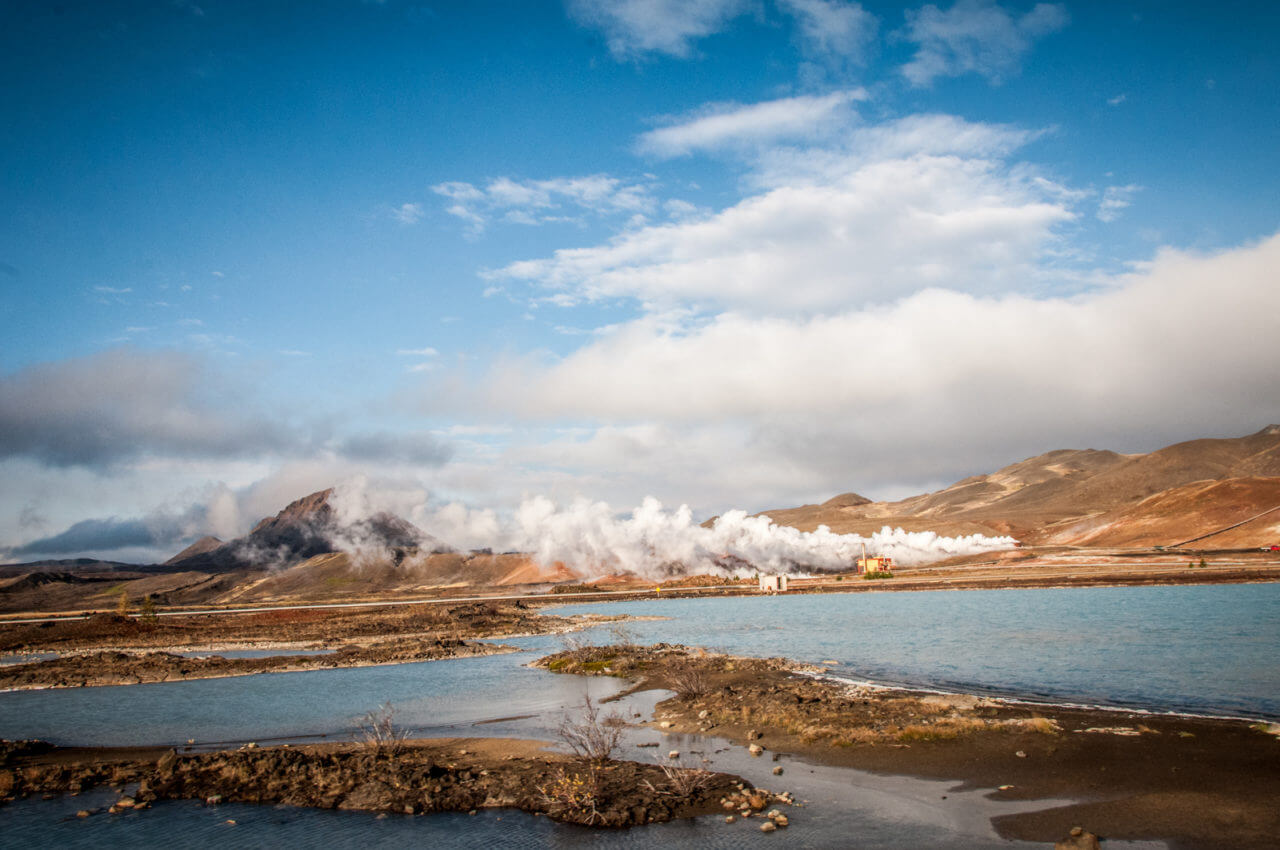
Heading north along a paved road, we'll reach the Krafla volcano. It's an active volcano that last erupted in 1984. At the foot of the volcano a geothermal power plant was built, in which about 15 people work. Over 30 boreholes were made, of which 15 are currently in use.
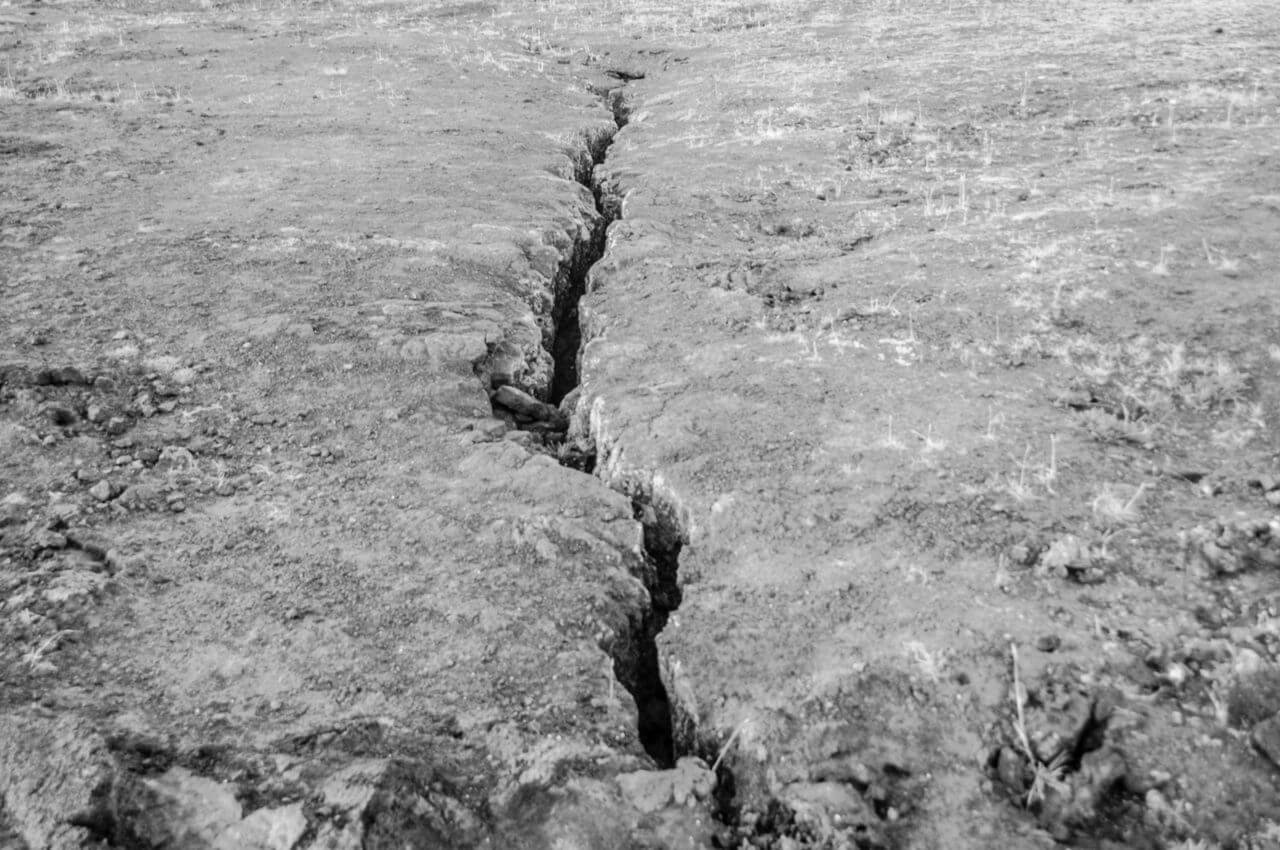
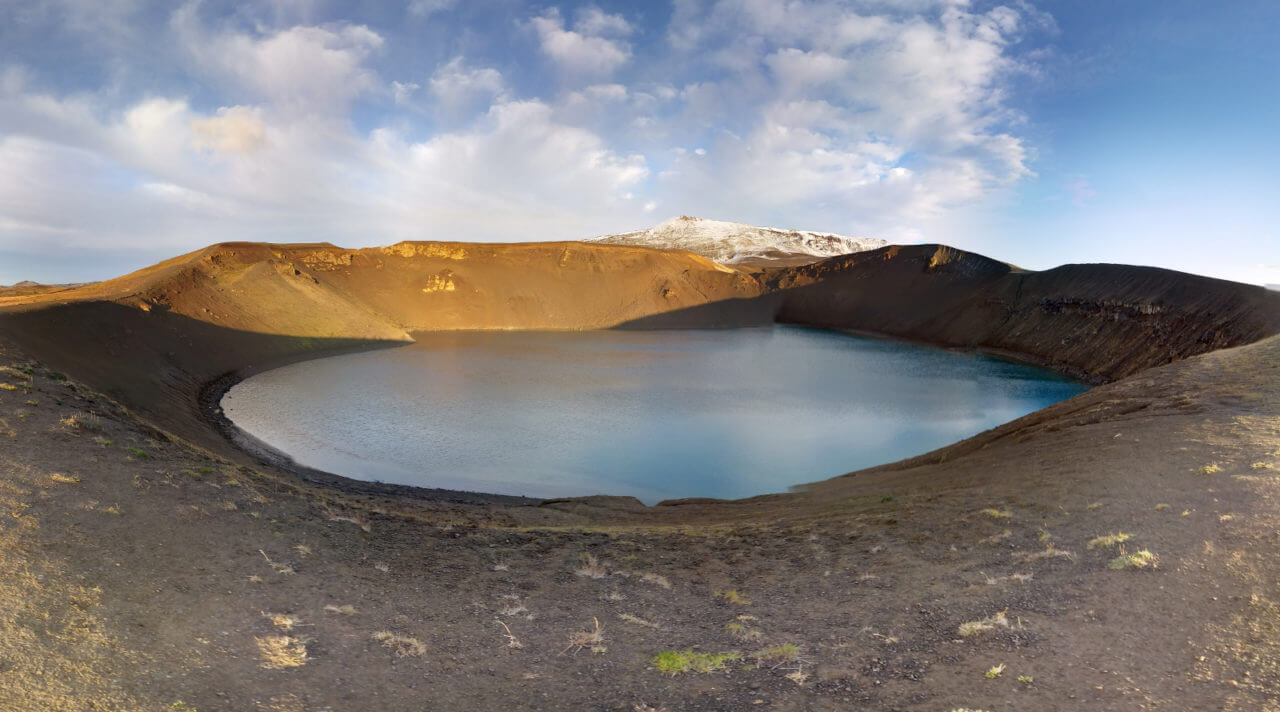
In the area we can see a volcanic lake, which formed in the crater left by the volcano. Heading further on, we'll come across old, hardened and cracked lava, until finally we reach the Krafla volcano. The smell of sulphur hangs in the air, and the rocks and stones are very warm.
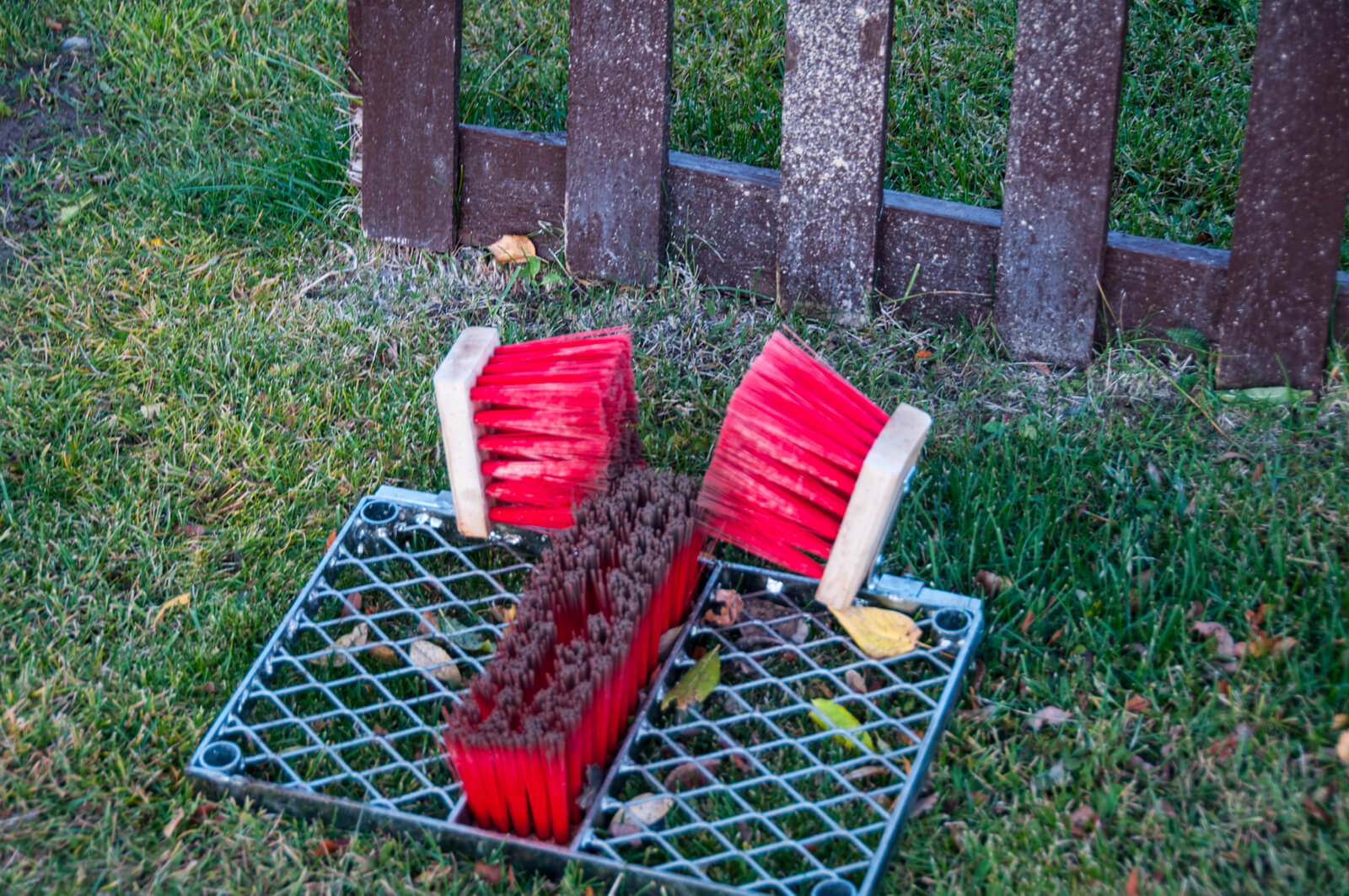
Returning from the volcano and Hverir, it's worth using the special brushes for cleaning shoes, as they'll be muddy and caked in clay, which is very hard to remove. Once the clay has dried, it's worth cleaning the shoes with brushes like these.
View related articles
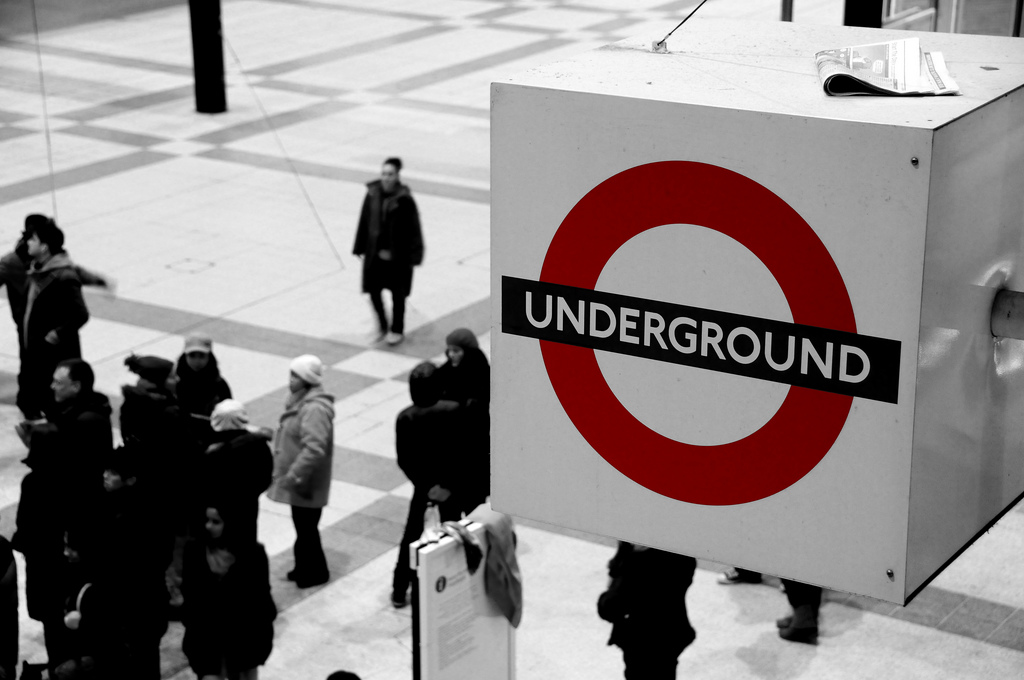
Lundon! There's Lądek, Lądek Zdrój, yes…
One day, sitting quietly at my computer, I met Kaja. A strange chain of events led me to decide to visit her in Seville, Spain. I planned my trip so as to see London along the way — the city that has become a paradise of riches for Poles.
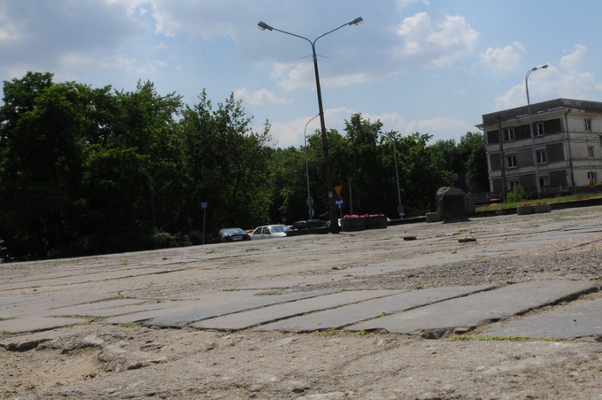
The Old Market Square in Łódź
As tends to happen at the end of the year, a little grumbling is in order. That Łódź is a different city from all the rest, I probably no longer need to prove to anyone. Sitting in front of my computer, I realised yet another fact that sets this place apart. We have no Old Market Square!
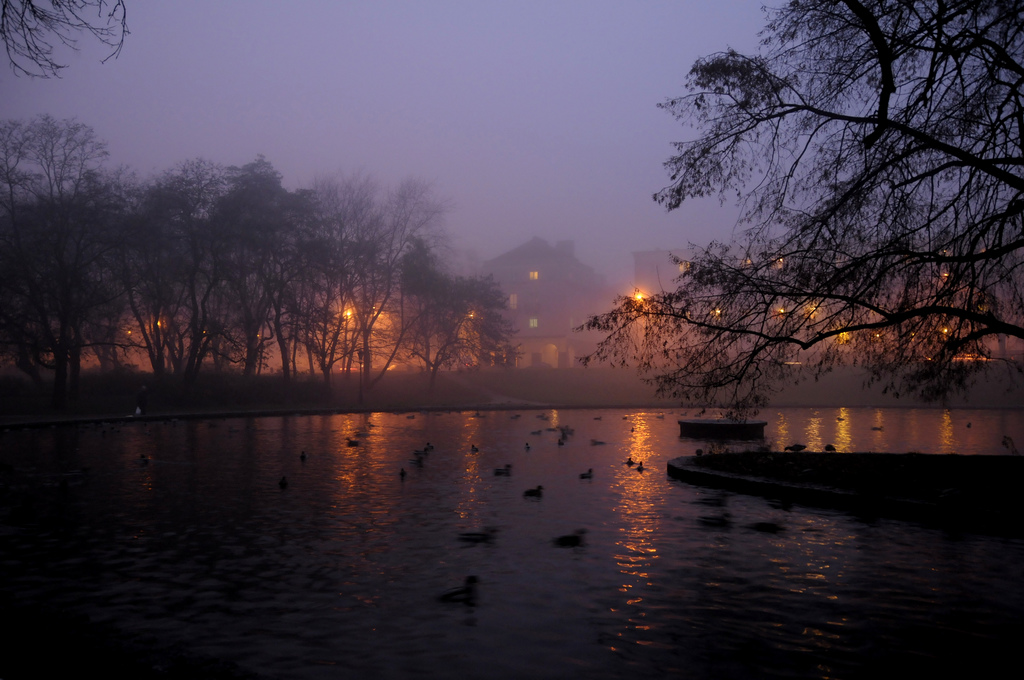
Foggy Wanderings Around Łódź
Some time ago I went on night-time wanderings around Łódź. The city seemed to me empty, sad and gloomy then. On a certain foggy evening I wanted to set out again and capture the beauty that Łódź hides somewhere within itself.