
Cut Beer
In the Slovak town of Starý Smokovec I discovered the taste of cut beer. It's an alcoholic drink made by pouring dark and light beer into a glass.
At an altitude of 1,346 m above sea level lies a small lake called the Slovak Sea Eye. Lake Štrba (Slovak: Štrbské pleso) — for it's this we're talking about — is a kettle lake in the High Tatras, the second largest on the Slovak side. On average, the lake is frozen for 155 days a year.
Continue reading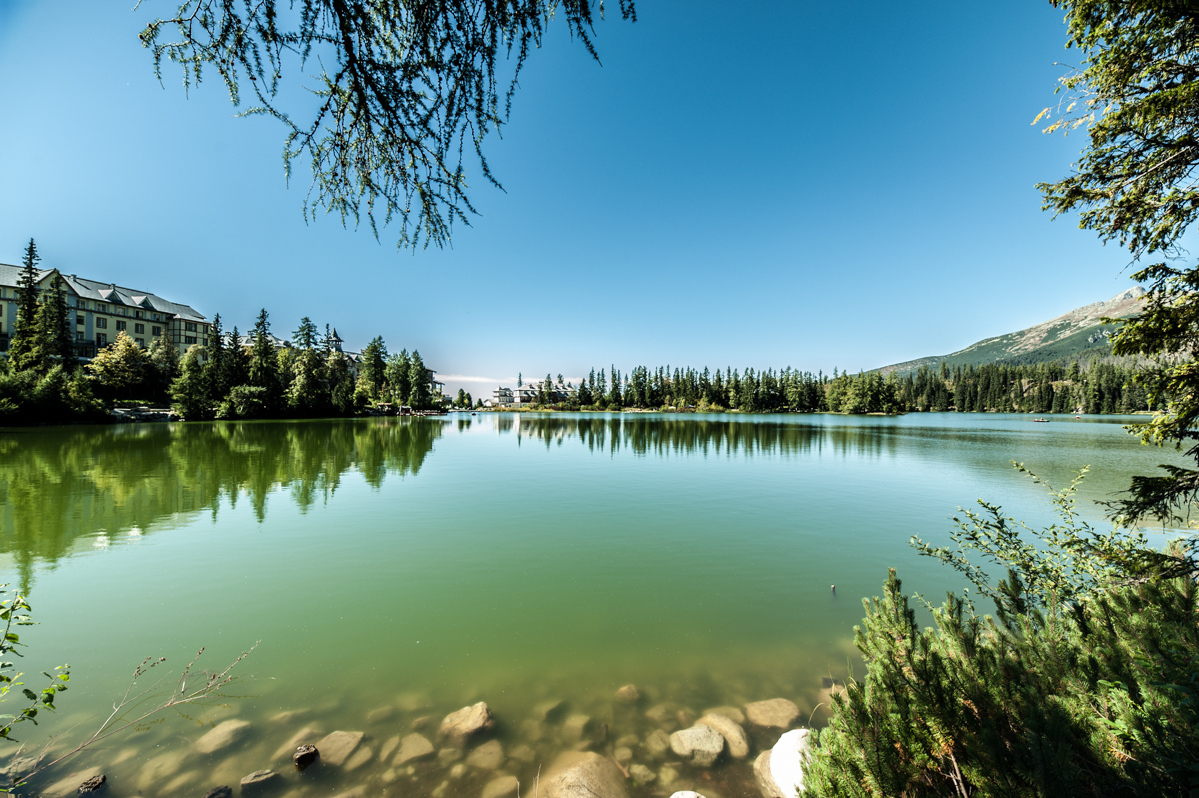
In the Slovak town of Starý Smokovec I discovered the taste of cut beer. It's an alcoholic drink made by pouring dark and light beer into a glass.
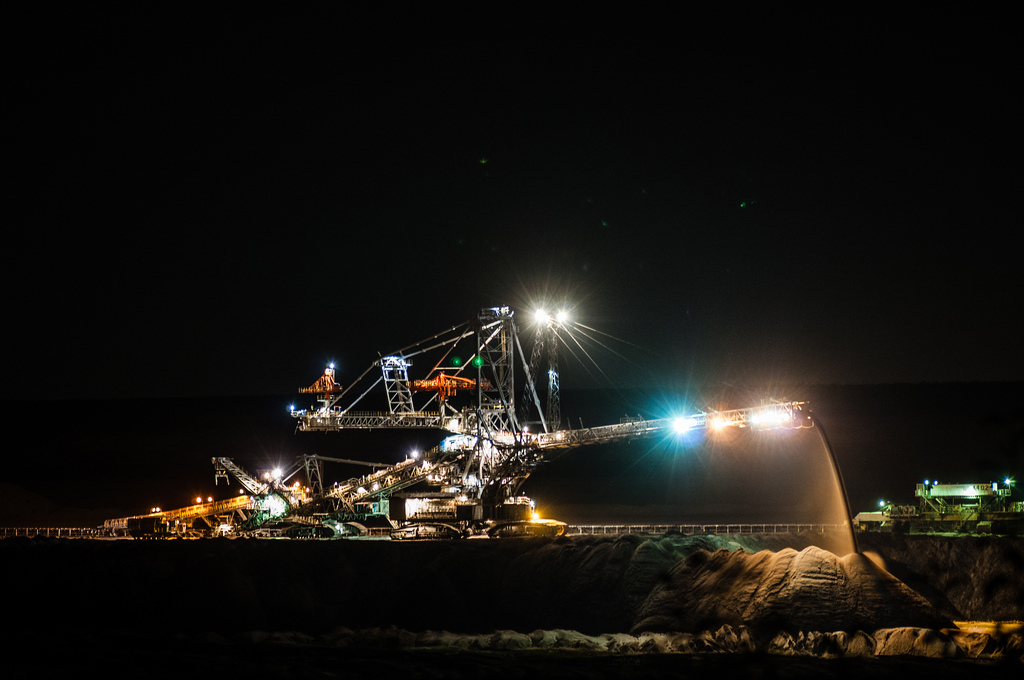
The Bełchatów Lignite Mine is the largest opencast mine in Poland and one of the largest in Europe. Currently the Bełchatów mine extracts about 33 million tonnes of coal a year, which accounts for over 50% of the country's annual output of this energy resource.
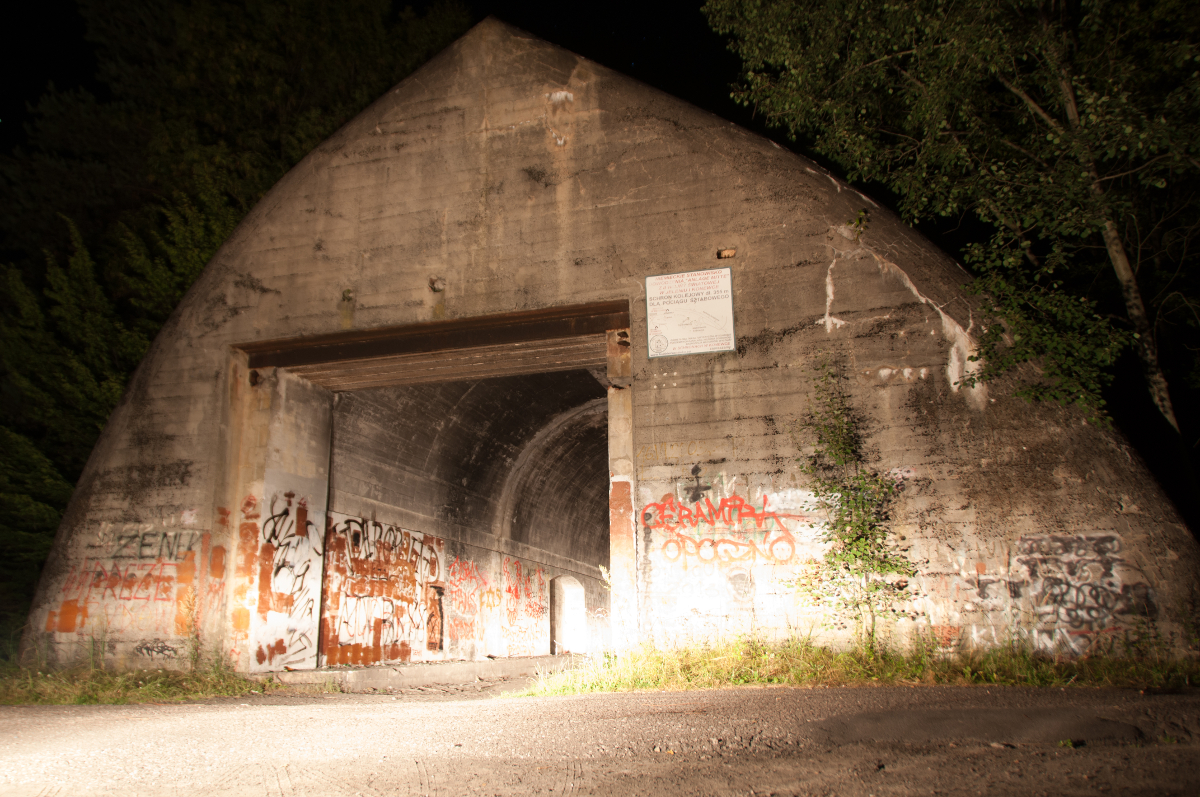
The "Central Area" command post (Anlage Mitte) looks very pretty in winter. Buried in snow, the bunker is almost invisible. In summer it's much the same. Hidden in the middle of the forest, it was the perfect shelter for an entire train. And at night? At night, without strong torches, it's practically hard to find.
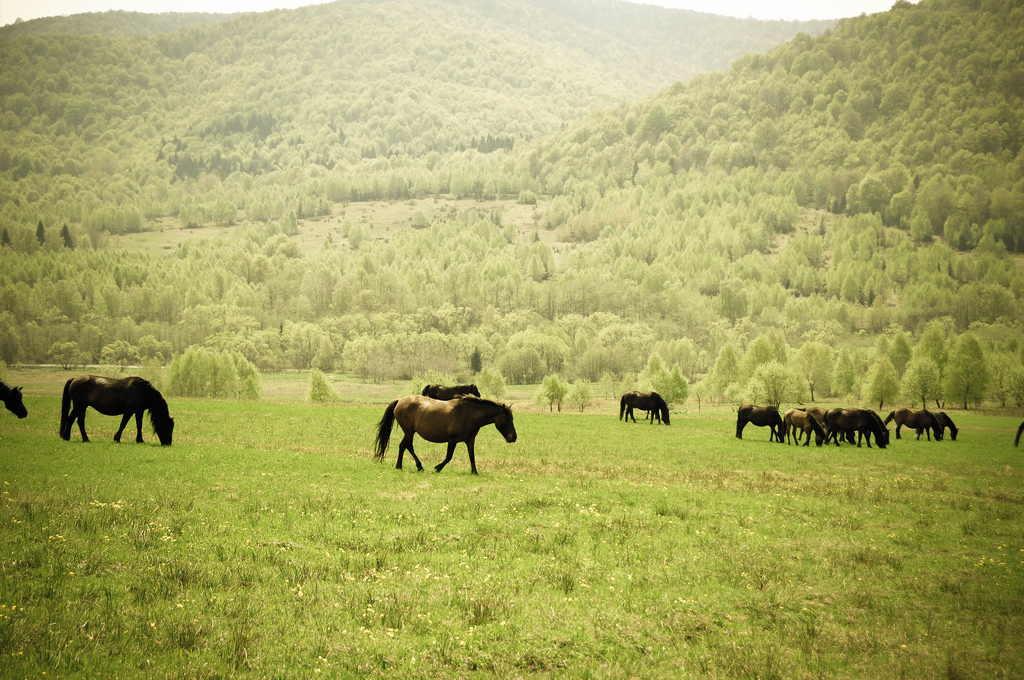
One of the gorgeous places in Poland that you simply must visit is the Bieszczady. It's something much more than the only patch of the Eastern Carpathians in Poland. The greatest treasure of the Bieszczady is the legends and tales created over generations by the tourists who wander here.
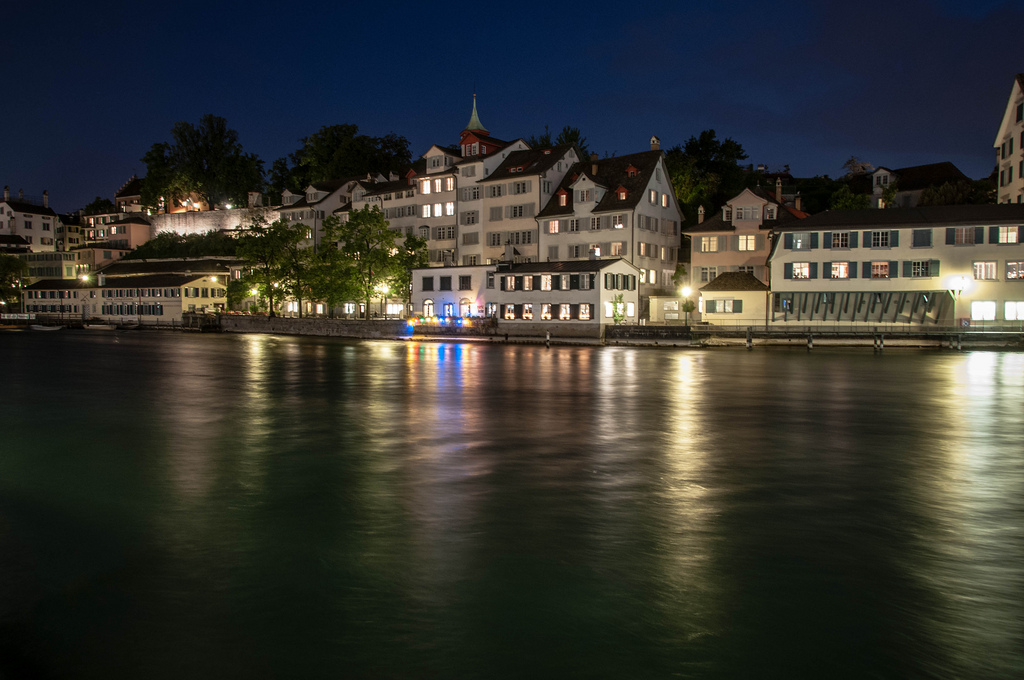
At the northern tip of Lake Zurich, in the heart of Switzerland, lies the picturesque city of Zurich. Alpine peaks on the horizons, a beautiful lake and a river in the city centre draw tourists from all over the world to see this place. Its multicultural atmosphere and rich array of attractions mean that the main station handles an average of 2,000 trains a day.
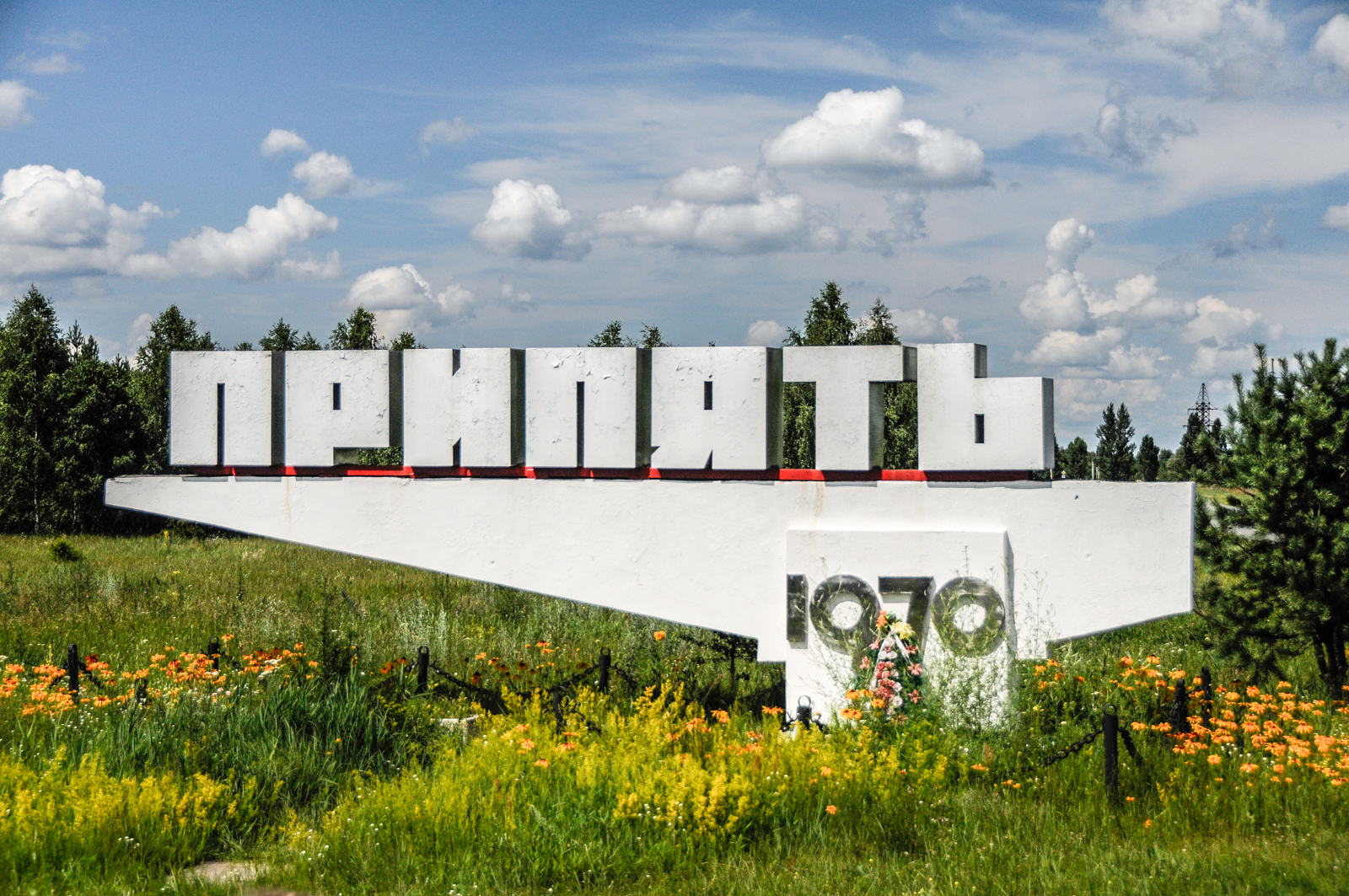
About 3.5 km from the nuclear power plant lies the modern city of Pripyat. Built and planned from scratch to serve the reactor's workers as well as possible. In Pripyat you'll find a swimming pool, an amusement park, a cinema, a theatre and many other pleasures for tired workers. That, at least, was the case in 1986.
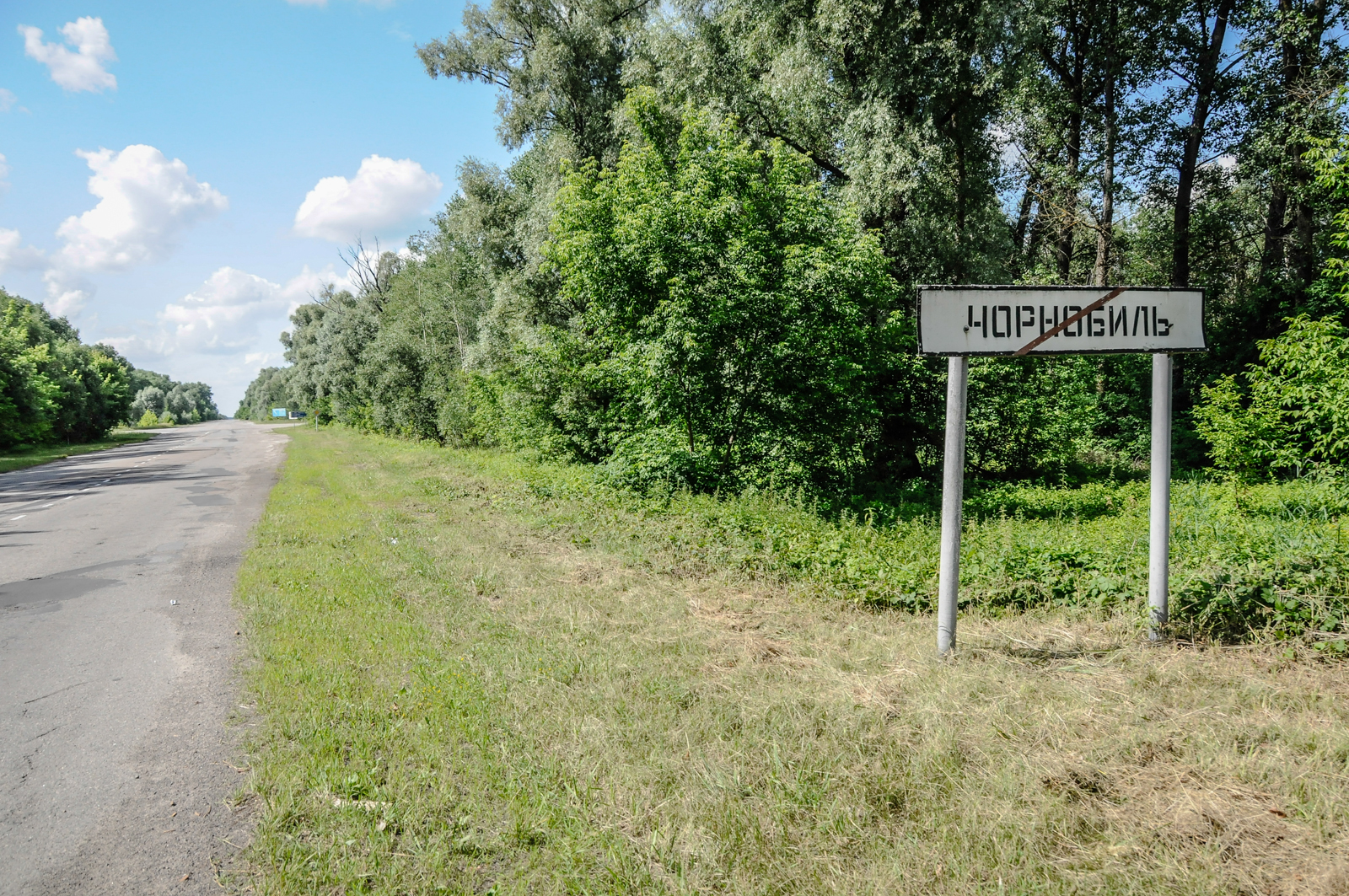
The Chernobyl Nuclear Power Plant is associated with the town of Chernobyl, located about 18 km from the reactor itself. The plant took its name from the largest town in its vicinity, which in turn owes its name to a plant of the same name (mugwort/wormwood) that covered the farmland of the area in the 19th century. Just before the disaster, about 15,000 people lived in the town. Today you can come across around 2,000–3,000 of them. They are mainly workers from various agencies, guides and scientists, and soldiers.
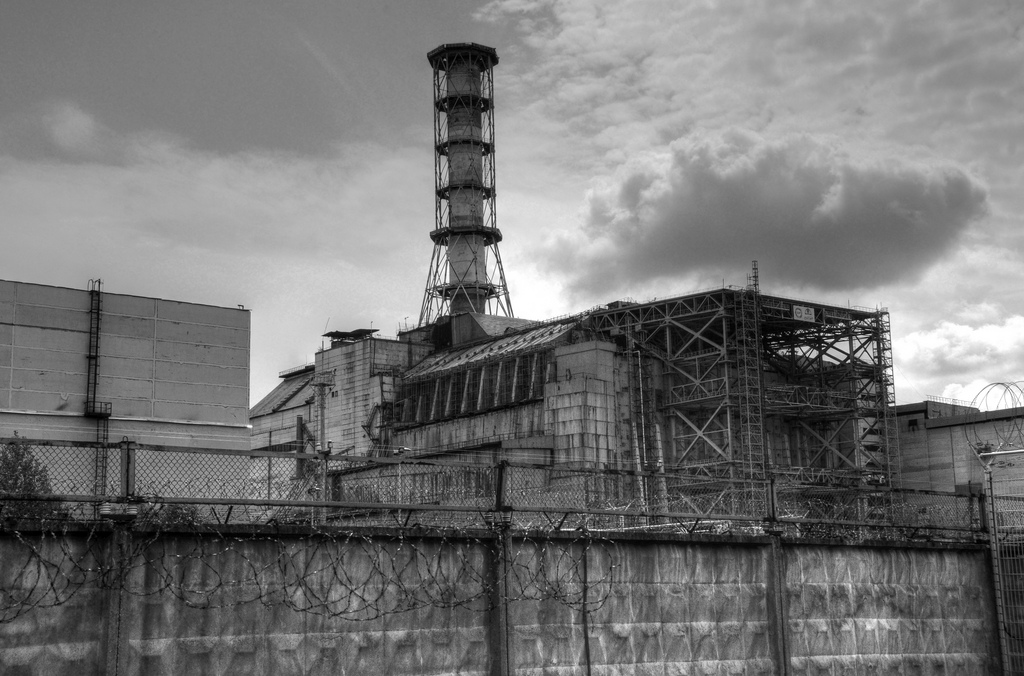
On 26 April 1986, a nuclear reactor accident occurred in power unit number 4 of the Chernobyl nuclear power plant. A hydrogen explosion, a fire and the spread of radioactive substances changed the area around the plant forever.
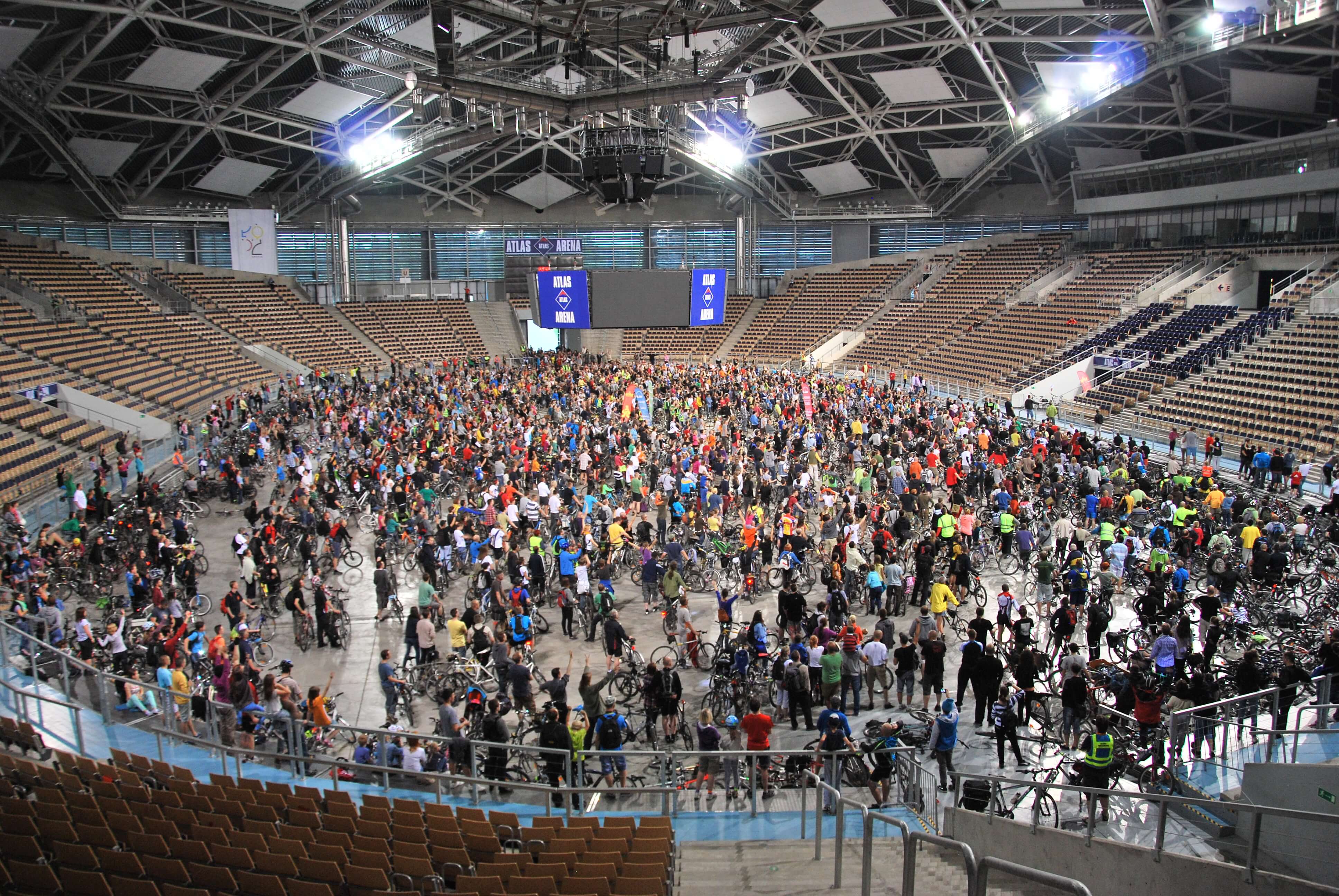
To mark the 14th anniversary of the Łódź Critical Mass, 2,183 cyclists turned up to be photographed at the Atlas Arena. Once again it proved to be the largest critical mass in Poland.
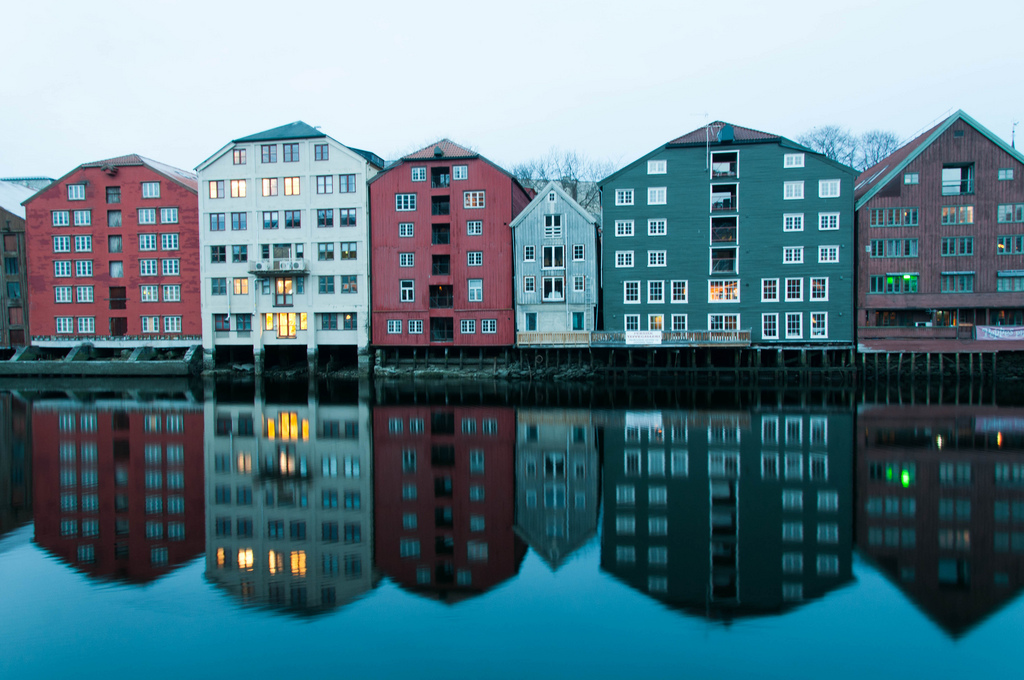
Trondheim is a beautiful university city in the central part of Norway. We know it mainly as a winter sports centre, where Kamil Stoch won a ski-jumping competition in Trondheim. In summer it is a wonderful place for long walks along the fjords.
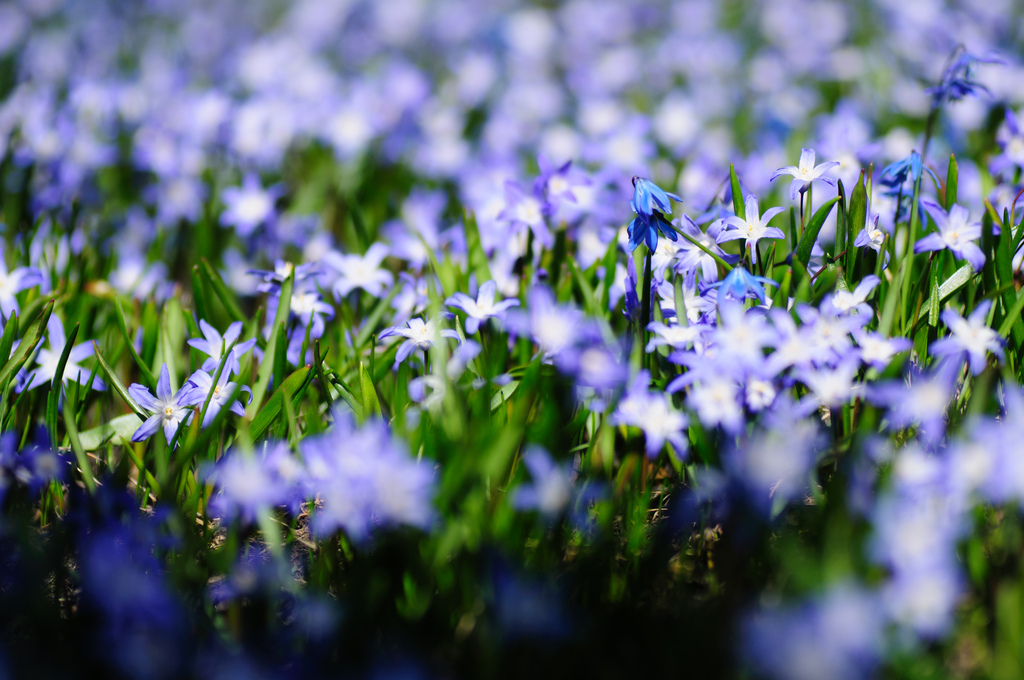
As every spring, on the grounds of the Łódź University of Technology near the Faculty of Technical Physics, Information Technology and Applied Mathematics, you can see great blue carpets of flowers. In Father M. Klepacz Park, beneath the spreading crown of an English oak, grow the azure-blue flowers of the Squill — Scilla.
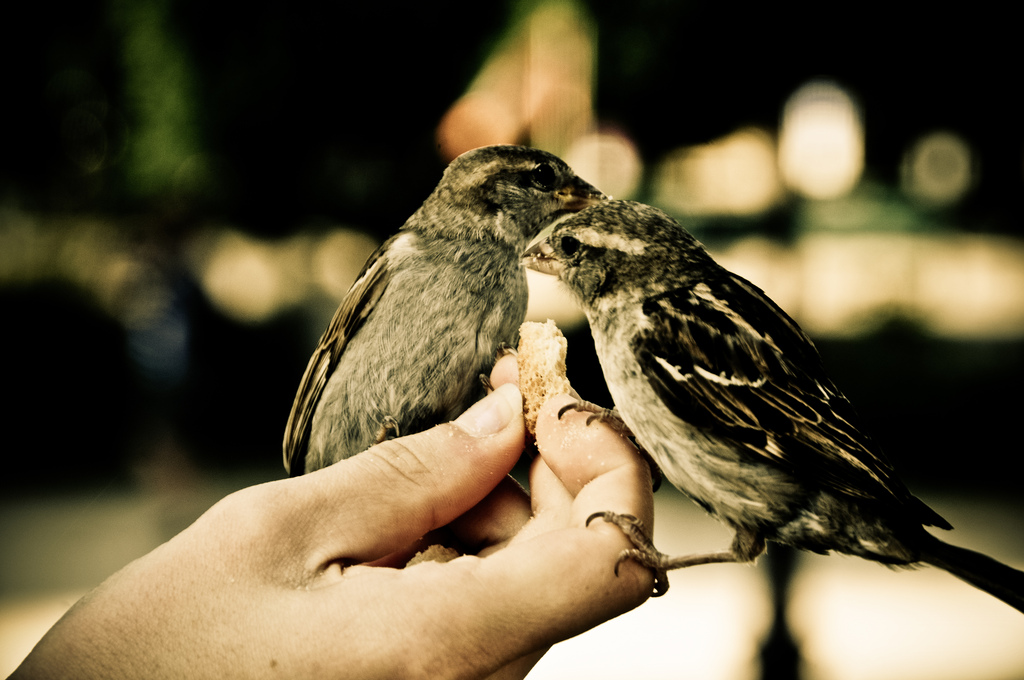
There is a place on Earth where the birds eat out of your hand. They land on your palm, cling to your fingers and eat a piece of baguette. The sparrows — for it's them we're talking about — turn into hummingbirds for a moment, hover in the air and peck at the inside of the bread.