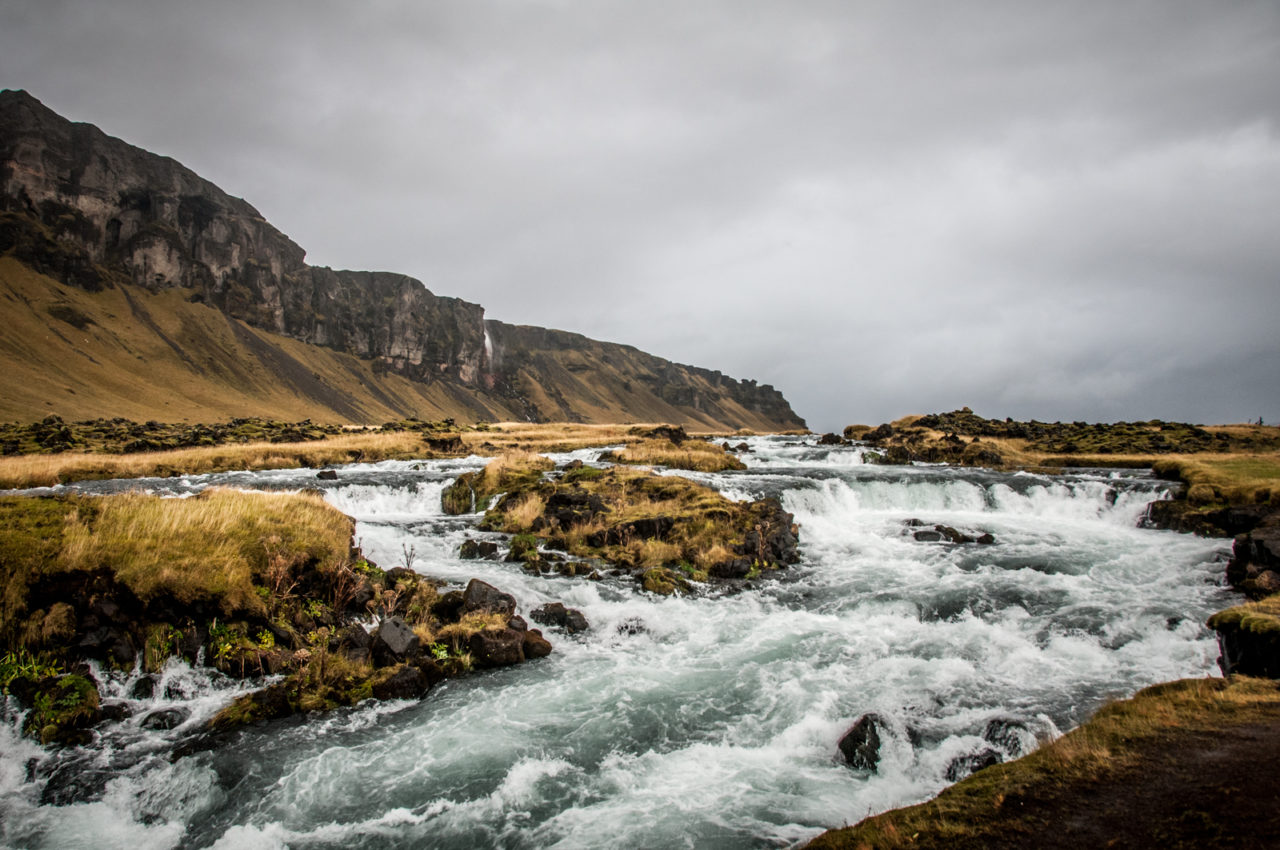
Worth Seeing in Iceland (Part 1)
When heading to Iceland, it's worth preparing in advance and planning what's worth seeing. In 7 days you can drive around the whole island and really see a lot.
East of the Eyjafjallajökull volcano stretch the black beaches near the town of Vík. Further on you'll find glaciers, wonderful fjords and mountain trails.
Continue reading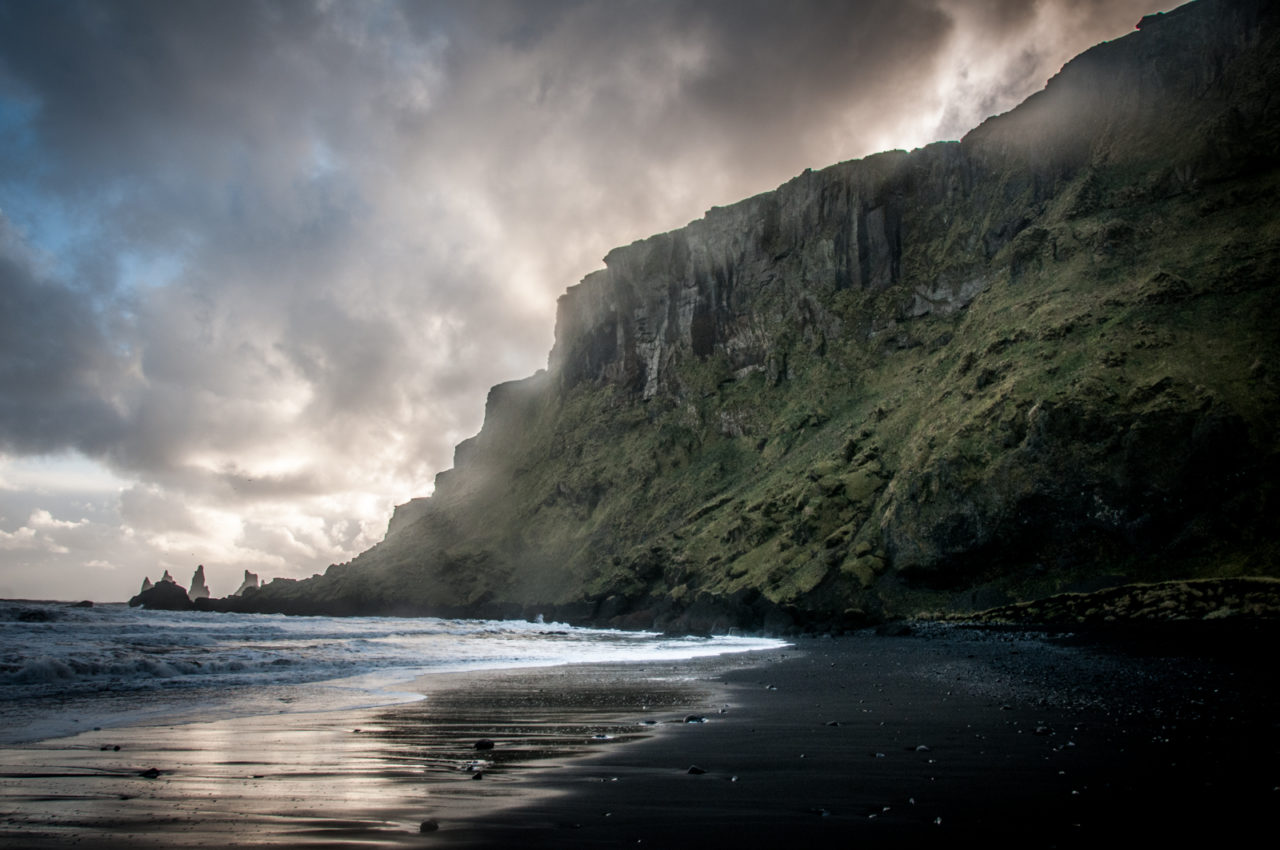
When heading to Iceland, it's worth preparing in advance and planning what's worth seeing. In 7 days you can drive around the whole island and really see a lot.
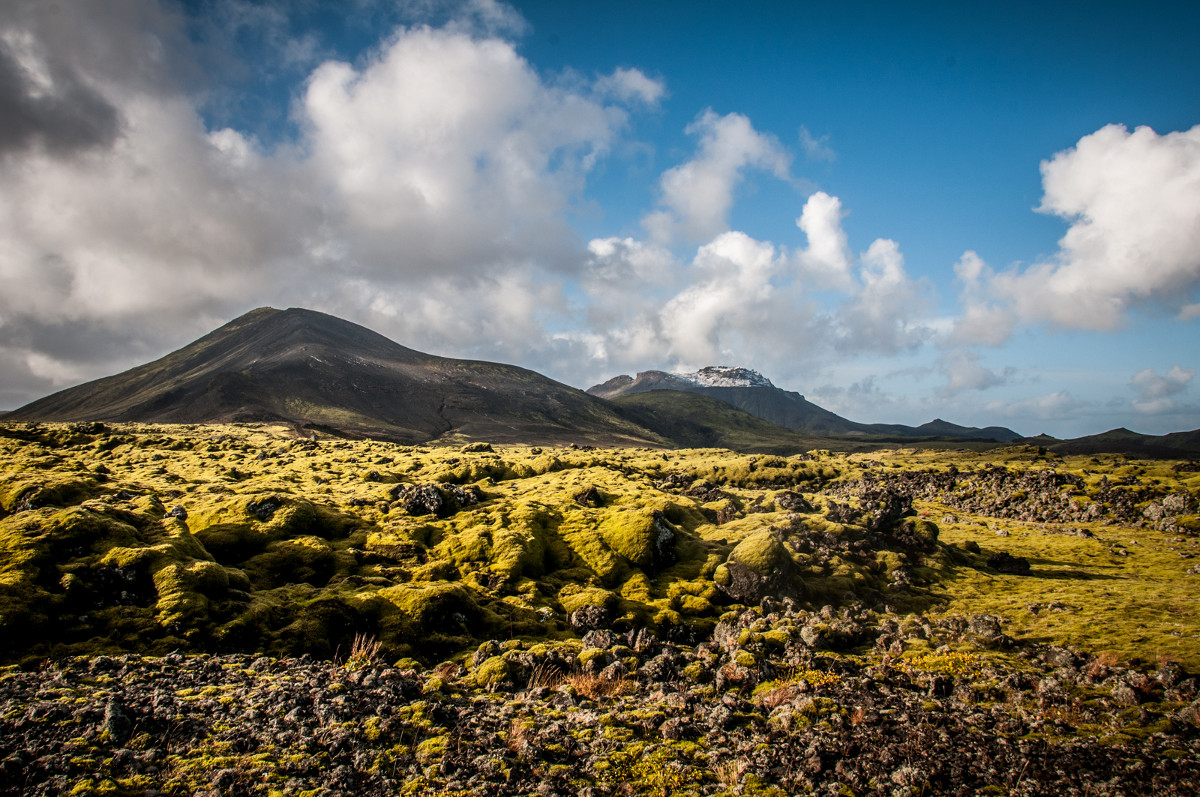
A coincidence of various chance events led me to Iceland. I spent a good while there and covered over 5,200 km, driving around the whole country far and wide.
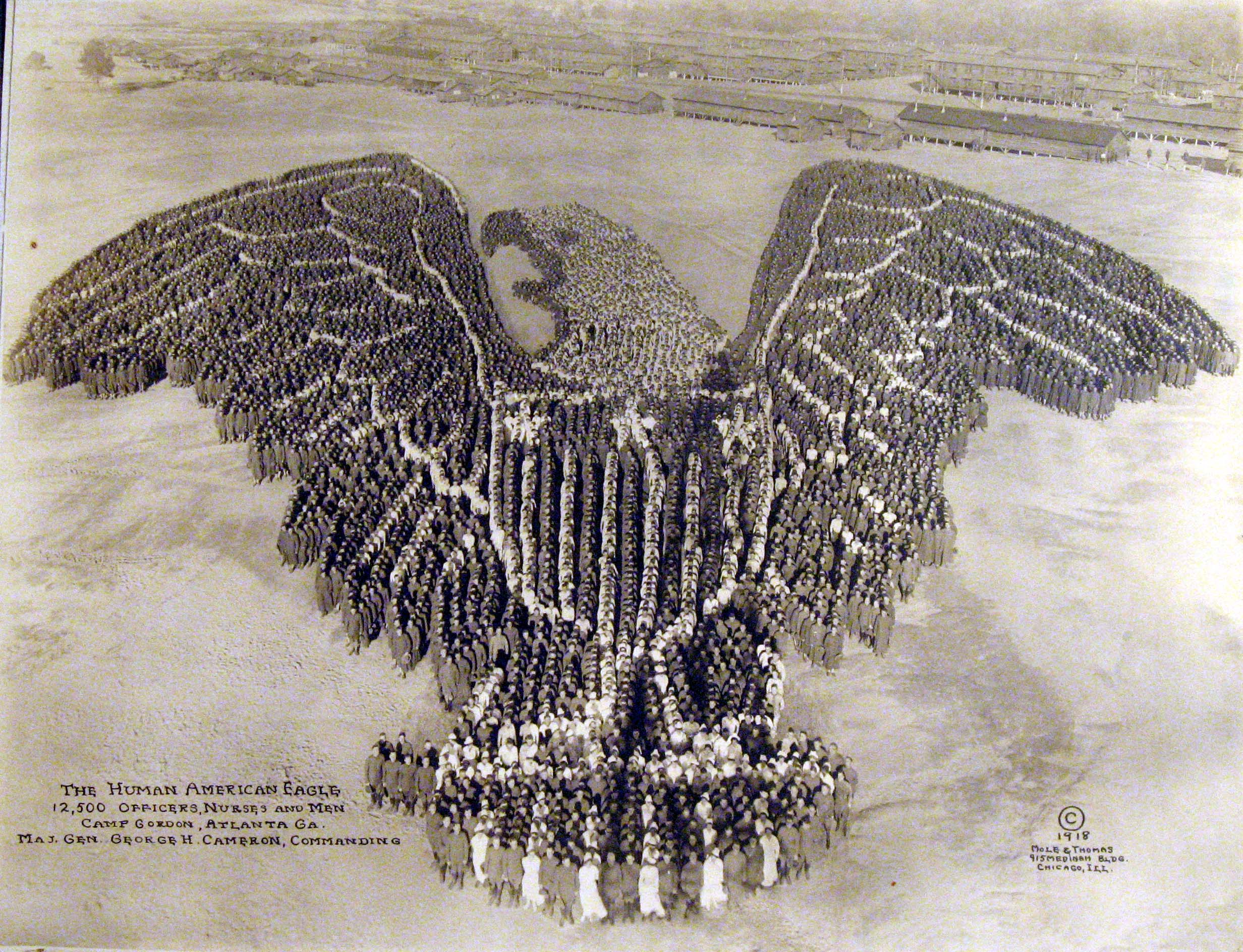
Arthur Samuel Mole became famous as the creator of "living photographs", which he made during the First World War. Tens of thousands of soldiers, reservists and other members of the military were arranged on a parade ground, forming enormous and astonishing compositions. John D. Thomas also helped in this huge undertaking.
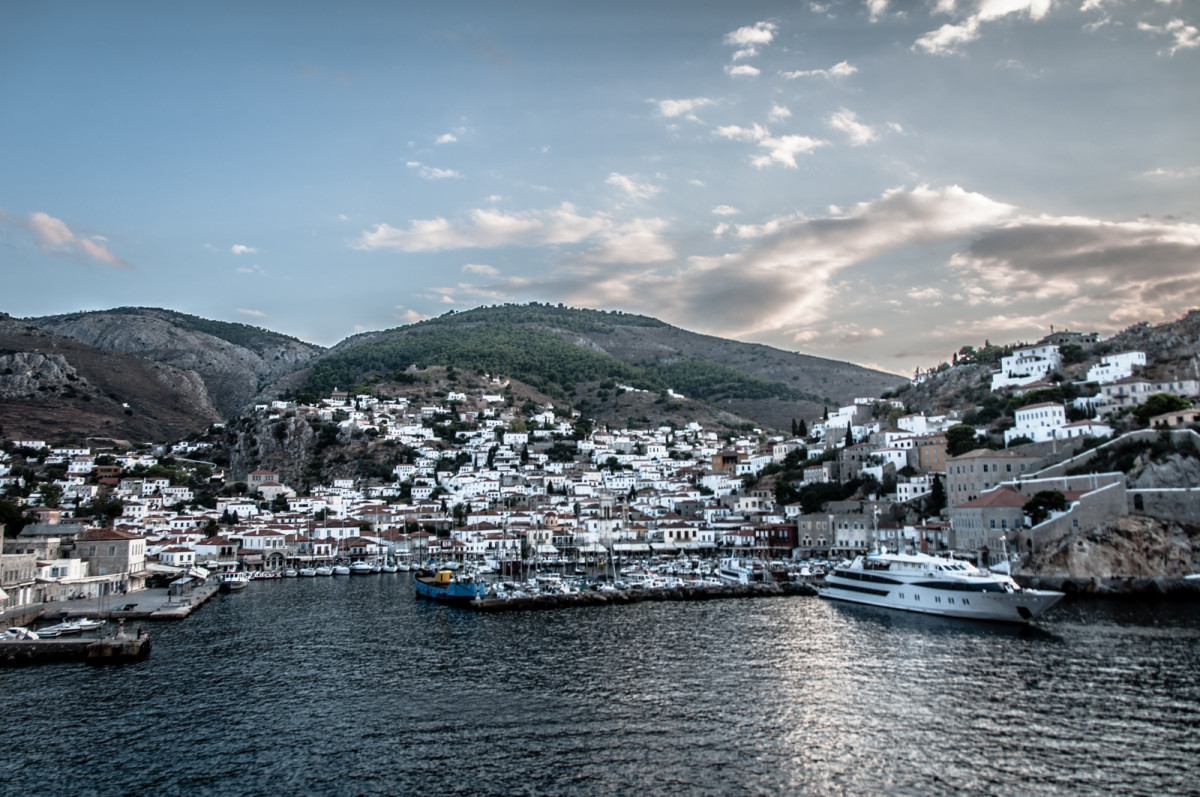
Practically right after the cruise in Croatia, we set off towards Athens. Another interesting cruise on the Aegean Sea awaited us. The sailing took place on the Gibsea 442 yacht "Alter Ego". Despite many adventures, a boat that was interesting to handle, and an engine failure, it was one of the most beautiful cruises I've been on.
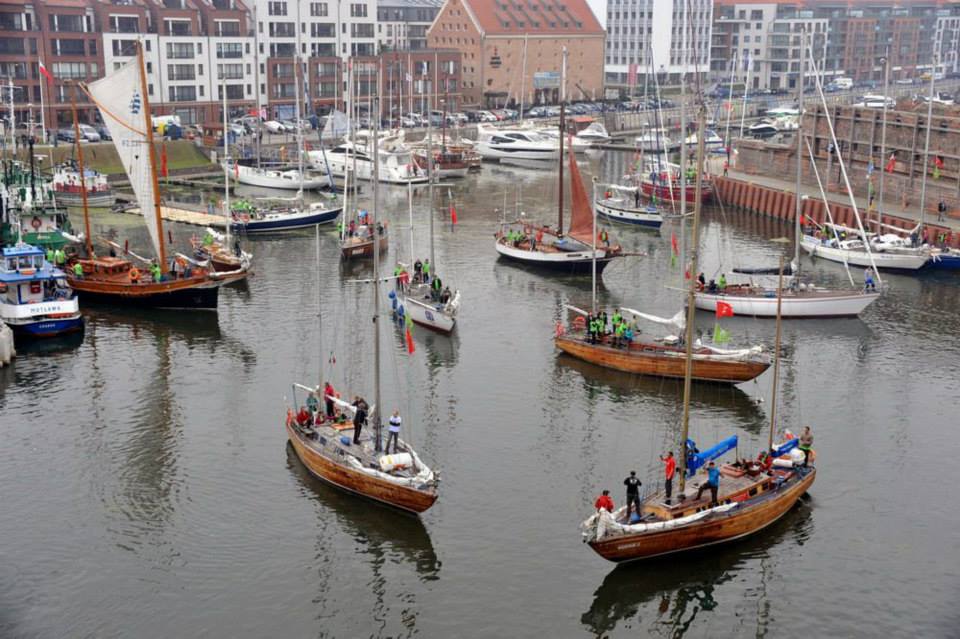
In October, on the waters of the Gulf of Gdańsk, a rally of yachts with soul was held — Próchno i Rdza ("Rot and Rust"). In one place you can come across many yachts important to the history of Polish sailing. You'll meet both steel and wooden vessels that are true oldtimers.
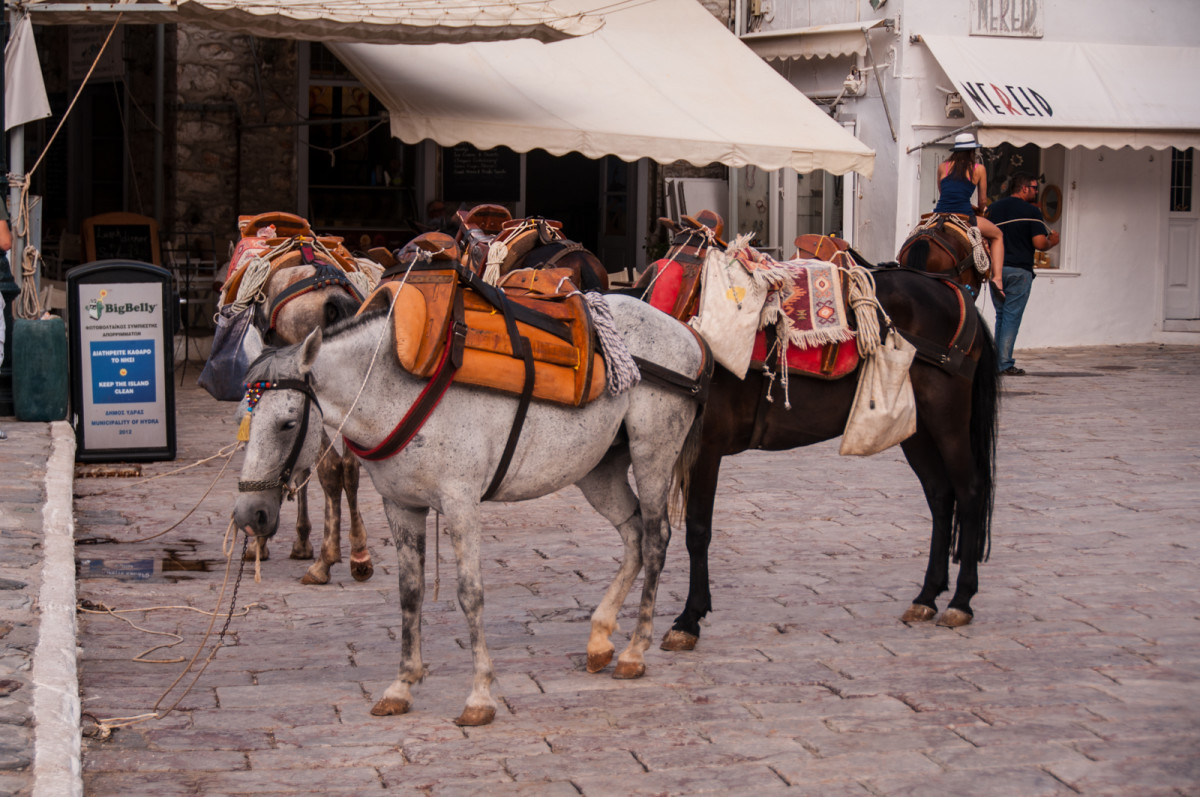
The island of Naxos tempts with beautiful cliffs and marble mountains. But the most beautiful island I visited was Hydra (Greek: Ύδρα). It belongs to the Saronic Islands archipelago. A characteristic feature of Hydra is the fact that there are practically no cars on it.
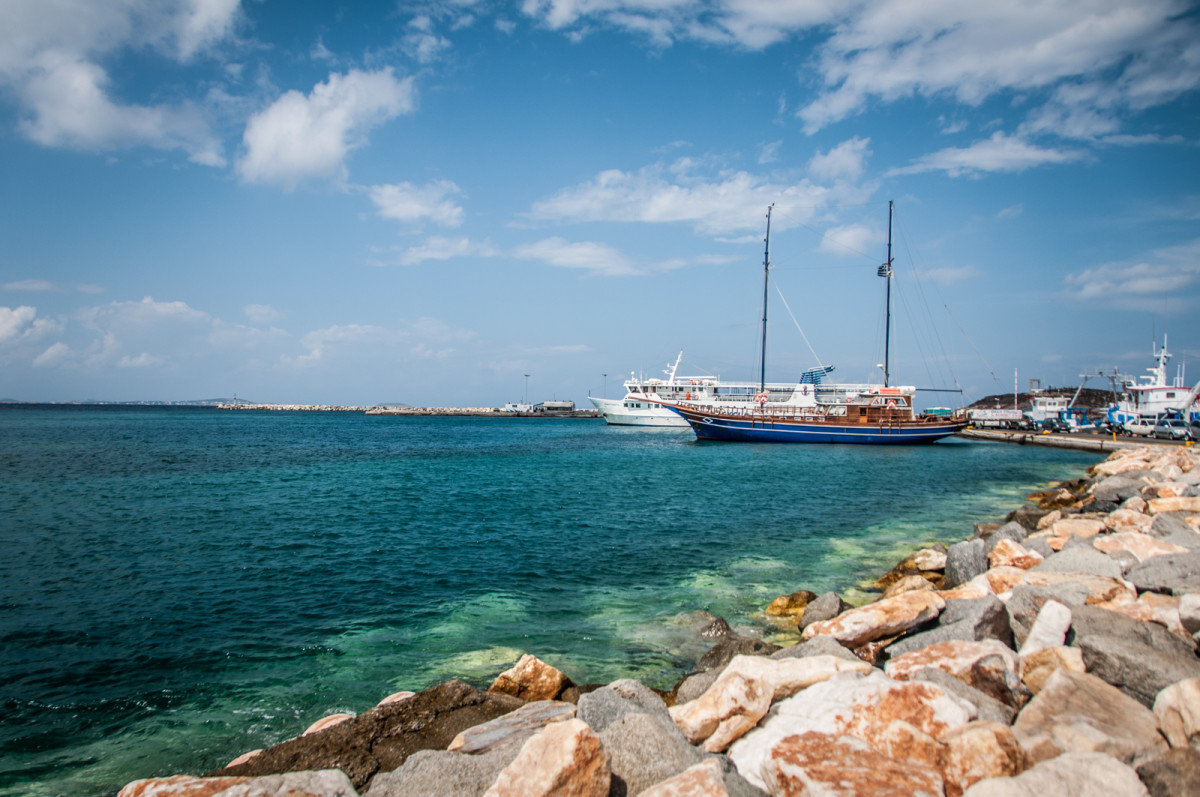
The next island after Milos was the largest island in the Cyclades archipelago — Naxos (Greek: Νάξος). The coast on the eastern side of Naxos is very steep and cliffy, in contrast to its western shore.
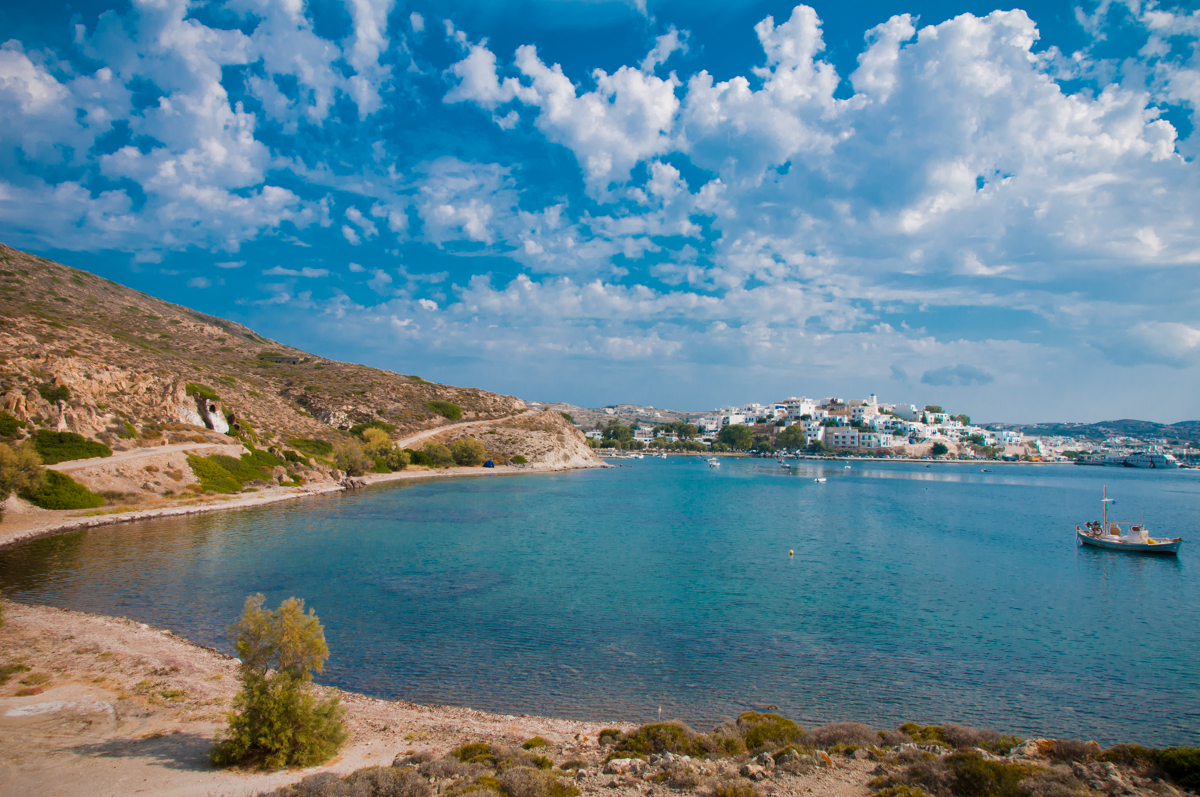
After the engine failure, we sailed from the island of Serifos to Milos. On the island, in 1820, a statue of Aphrodite was found, now known as the Venus de Milo. The main port is Adamas, which is where we headed.
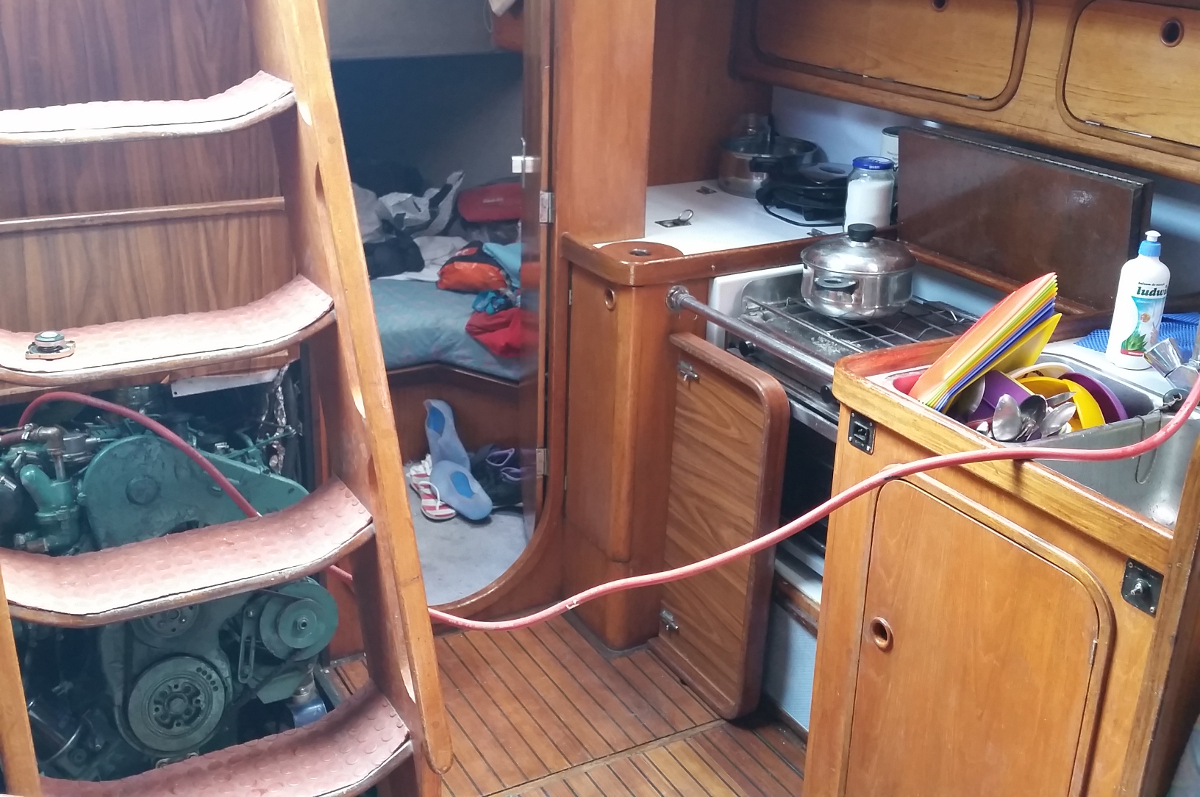
The Aegean cruise got underway properly. Before sunrise we set off towards the port of Adamas on the island of Milos (Greek: Μήλος). When the winds died down in the evening, the yacht sailed under engine. Off the island of Serifos, it decided to boil over…
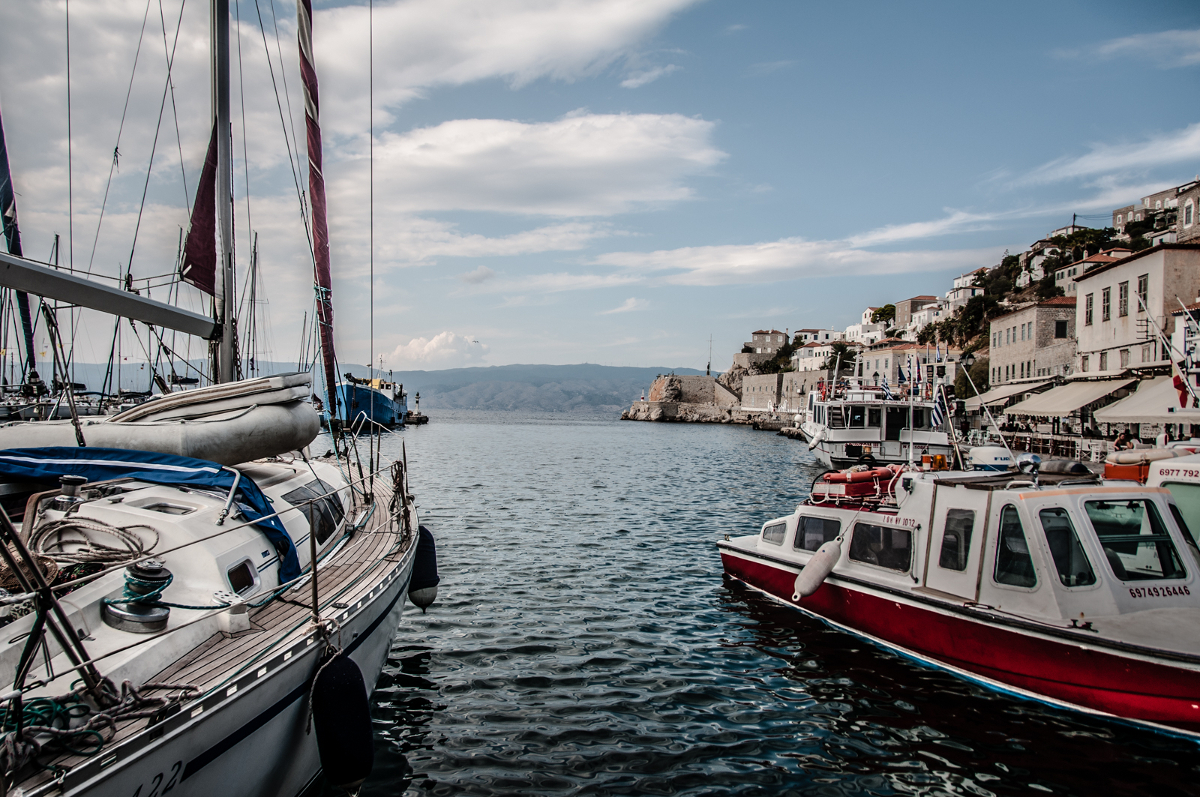
After two cruises — one on the Baltic Sea and one on the Adriatic — I set off to sail the Aegean Sea. Greece tempted us with a warm, azure sea and winds that were meant to give the sailors a thrill and the novices seasickness. This time the yacht "Alter Ego" (Gibsea 442) awaited us in Athens.
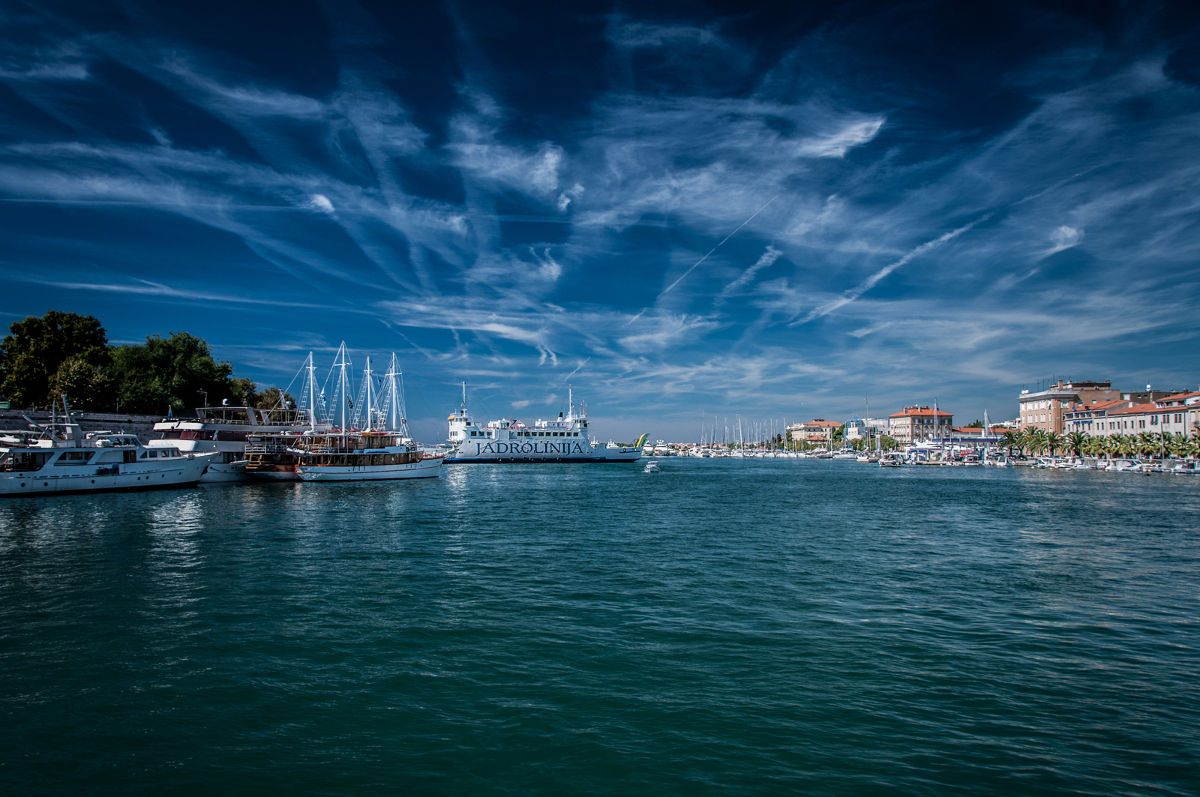
When the Baltic cruise ended, an opportunity to sail in Croatia on the Adriatic Sea appeared almost immediately. A crew came together very quickly and set off towards Zadar, to settle there for a few days on the yacht "Mana".
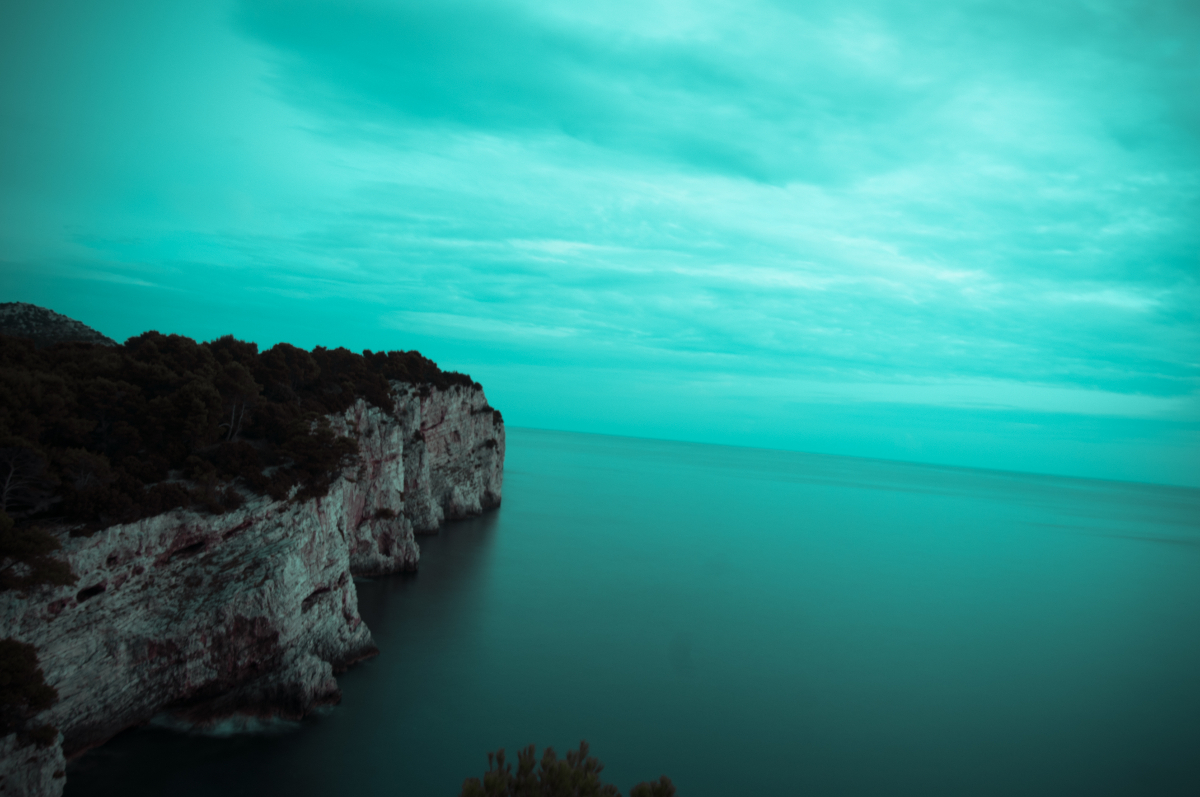
After Krka National Park came Kornati Park. This archipelago consists of about 147 islands, and its name comes from its largest island, Kornat, called Kurnat by the locals (hence also Kurnati).